Matcha Green Tea Chia Pudding: The Creamy, Antioxidant-Packed Breakfast You Will Crave Every Morning
If you have been looking for a breakfast or snack that is genuinely good for your body and actually tastes incredible, Matcha Green Tea Chia Pudding is the answer you have been waiting for. This vibrant, earthy green pudding combines two of the most nutrient-dense ingredients on the planet into one silky, satisfying bowl that you can prep ahead and enjoy all week long.
Matcha green tea chia pudding is not just a trend that will fade away. It has earned its place on breakfast tables and meal prep menus around the world because it truly delivers on both taste and nutrition. Whether you are chasing better energy in the mornings, a protein-boosted post-workout snack, or simply a breakfast that does not feel like a chore, this pudding has you covered.
In this guide, you will find everything you need to know about making the best matcha green tea chia pudding, understanding why each ingredient matters, how to customize it for your dietary needs, and answers to the most common questions people have about this beautiful green treat.
What Is Matcha Green Tea Chia Pudding?
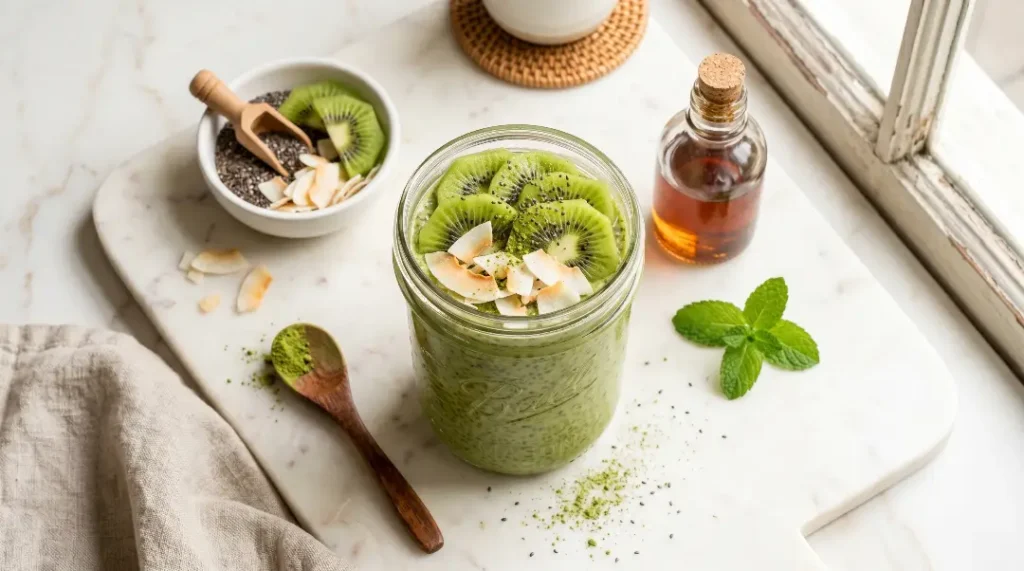
At its core, matcha green tea chia pudding is a no-cook, no-bake pudding made by combining chia seeds with a liquid base that has been whisked with matcha powder. When chia seeds are soaked in liquid overnight or for at least four hours, they absorb the moisture and swell up to form a thick, gel-like pudding texture.
The addition of matcha, a finely ground powder made from specially grown and processed green tea leaves, transforms ordinary chia pudding into something far more complex in flavor and far more powerful nutritionally. The result is a pudding that is creamy, slightly earthy, naturally sweet when you add the right sweetener, and packed with antioxidants, omega-3 fatty acids, fiber, and a gentle form of caffeine that keeps you focused without the jitters.
This is not just a health food. It is a genuinely crave-worthy dish that hits that rare sweet spot between feeling indulgent and being good for you.
Why Matcha and Chia Seeds Are Such a Powerful Combination
The reason matcha green tea chia pudding has become so beloved in the wellness world is simple: both ingredients are nutritional powerhouses on their own. Together, they create something that is greater than the sum of its parts.
The Magic of Matcha
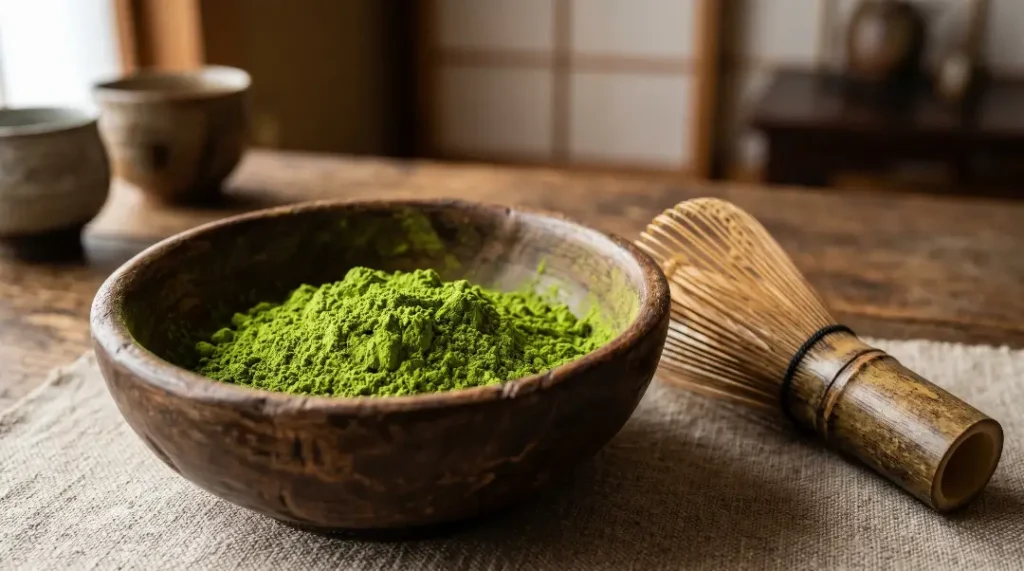
Matcha is not your average green tea. To produce matcha, tea plants are shade-grown for the final three to four weeks before harvest. This process boosts the plant’s chlorophyll production and increases its amino acid content, particularly L-theanine. The leaves are then stone-ground into an ultra-fine powder.
When you drink regular green tea, you steep the leaves and discard them. When you use matcha, you are consuming the entire leaf in powdered form, which means you get a much more concentrated dose of every beneficial compound the plant has to offer.
Key benefits of matcha include:
Matcha is loaded with catechins, particularly epigallocatechin gallate (EGCG), one of the most studied antioxidants in the world. Antioxidants protect your cells from oxidative stress and inflammation, both of which are linked to chronic disease and premature aging.
L-theanine is the amino acid that makes matcha’s caffeine effect so unique. Instead of the sharp spike and crash you get from coffee, matcha provides a smooth, calm alertness that many people describe as a state of “relaxed focus.” This is because L-theanine and caffeine work synergistically in the brain to promote alpha wave activity.
Matcha has also been studied for its potential to support a healthy metabolism, improve liver health, promote heart health by lowering LDL cholesterol, and even support brain health and mood regulation.
The Power of Chia Seeds
Chia seeds are tiny but they carry an extraordinary nutritional payload. These small black and white seeds come from the Salvia hispanica plant, a member of the mint family native to Central America. They were a staple food of the Aztecs and Maya for good reason.
Just two tablespoons of chia seeds contain approximately 10 grams of fiber, 5 grams of protein, and nearly 5 grams of omega-3 fatty acids in the form of alpha-linolenic acid (ALA). They are also a solid source of calcium, magnesium, phosphorus, and manganese.
What makes chia seeds particularly useful for pudding is their remarkable ability to absorb liquid, up to 10 to 12 times their weight. This is because they are rich in soluble fiber, which forms a mucilaginous gel when wet. This gel is what gives chia pudding its thick, satisfying texture, and it also happens to be excellent for digestive health, helping to slow digestion, support healthy blood sugar levels, and keep you feeling full for longer.
Ingredients You Need for the Perfect Matcha Green Tea Chia Pudding
Making this pudding is straightforward, but the quality of your ingredients will significantly affect the final result.
Matcha Powder
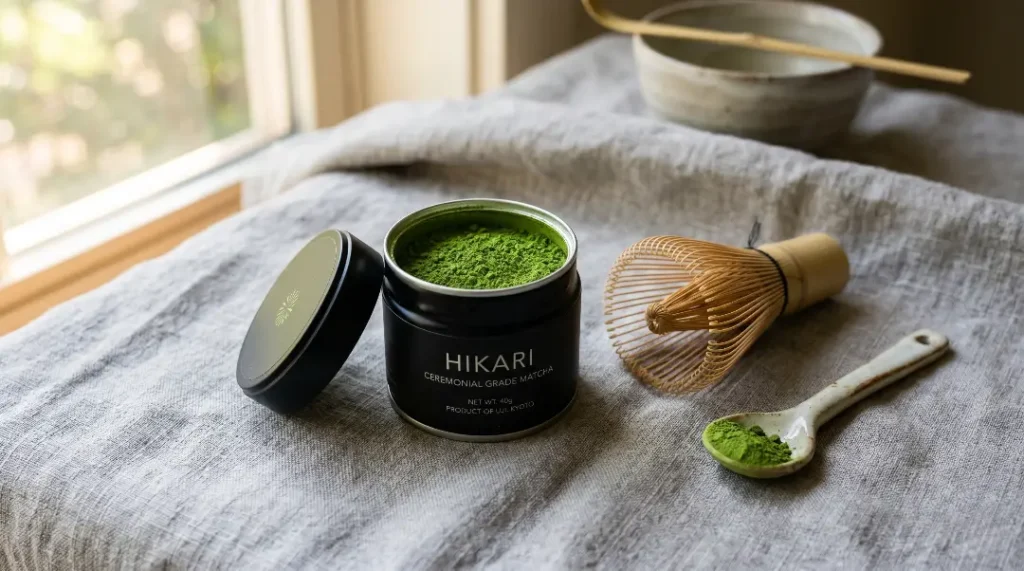
This is the ingredient worth spending a little more on. Ceremonial grade matcha is the highest quality and is made from the youngest tea leaves. It has a vibrant green color and a smooth, slightly sweet flavor with very little bitterness. Culinary grade matcha is more affordable and works fine for cooking and baking, but in a pudding where the flavor is front and center, ceremonial grade is worth the investment.
When shopping for matcha, look for powder that is a vivid, bright green. Dull or yellowish green matcha is a sign that it is old or low quality and will taste bitter and flat.
Chia Seeds
Both black and white chia seeds work equally well. They have the same nutritional profile and the same gelling ability. The only difference is aesthetic: white chia seeds blend more seamlessly with the green color of the matcha, while black chia seeds create a speckled effect that many people find visually appealing.
Milk or Plant-Based Milk
The liquid base you choose will shape the flavor and creaminess of the pudding. Full-fat coconut milk creates an incredibly rich and luxurious pudding that pairs beautifully with matcha’s earthy notes. Oat milk adds a subtle sweetness and creamy texture. Almond milk keeps things lighter and lets the matcha flavor really shine. Regular whole dairy milk works perfectly well if you are not plant-based.
Sweetener
Matcha has a slightly bitter, grassy edge that benefits from a touch of sweetness. Maple syrup is a popular choice because its caramel-adjacent flavor complements matcha well. Honey works beautifully. Agave syrup is a good option for a more neutral sweetness. If you prefer to avoid added sugars, a small amount of vanilla extract or a ripe mashed banana can add natural sweetness.
Optional Flavor Boosters
A tiny pinch of vanilla extract, a small squeeze of honey, or even a pinch of sea salt can round out the flavor profile significantly. Some people also like to add a tablespoon of collagen peptides or unflavored protein powder to boost the protein content without altering the taste.
Step-by-Step Recipe: Matcha Green Tea Chia Pudding
This recipe makes two generous servings and takes about five minutes of active time. The rest is just waiting.
Ingredients
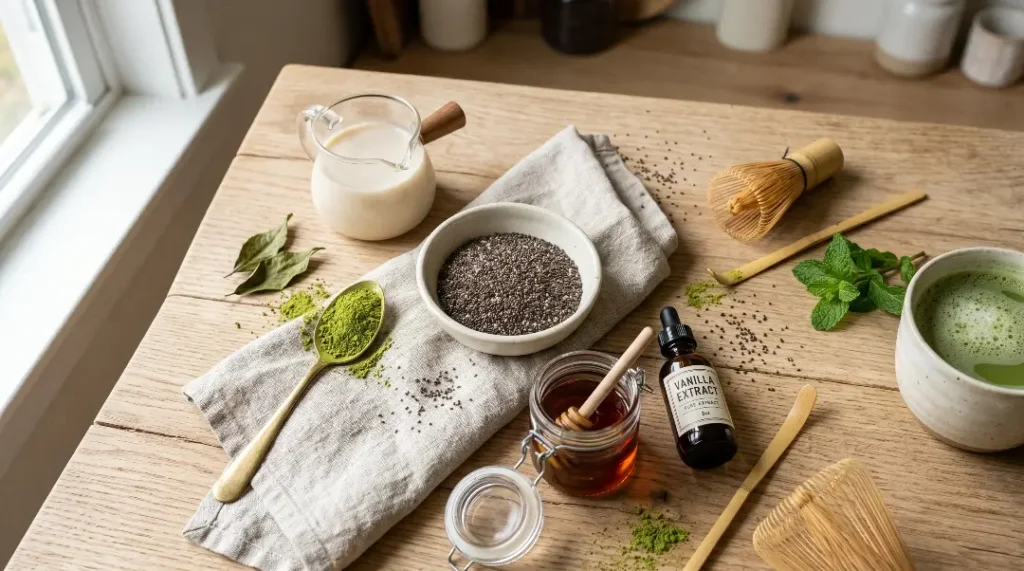
4 tablespoons chia seeds 1.5 cups milk of your choice (coconut milk recommended for creaminess) 1.5 teaspoons ceremonial grade matcha powder 1 to 2 tablespoons maple syrup or sweetener of choice 0.5 teaspoon vanilla extract A small pinch of sea salt
Step 1: Whisk the Matcha
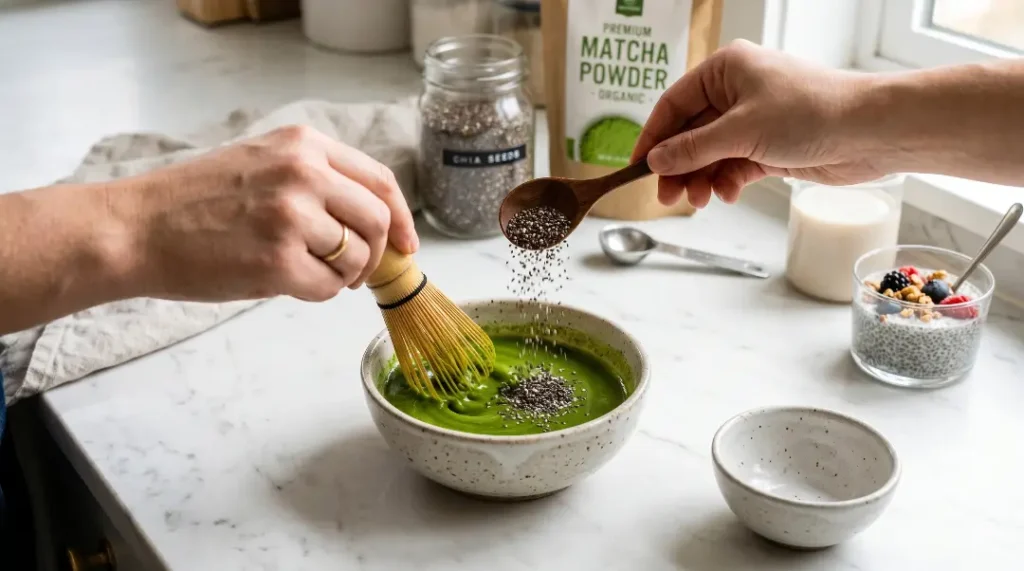
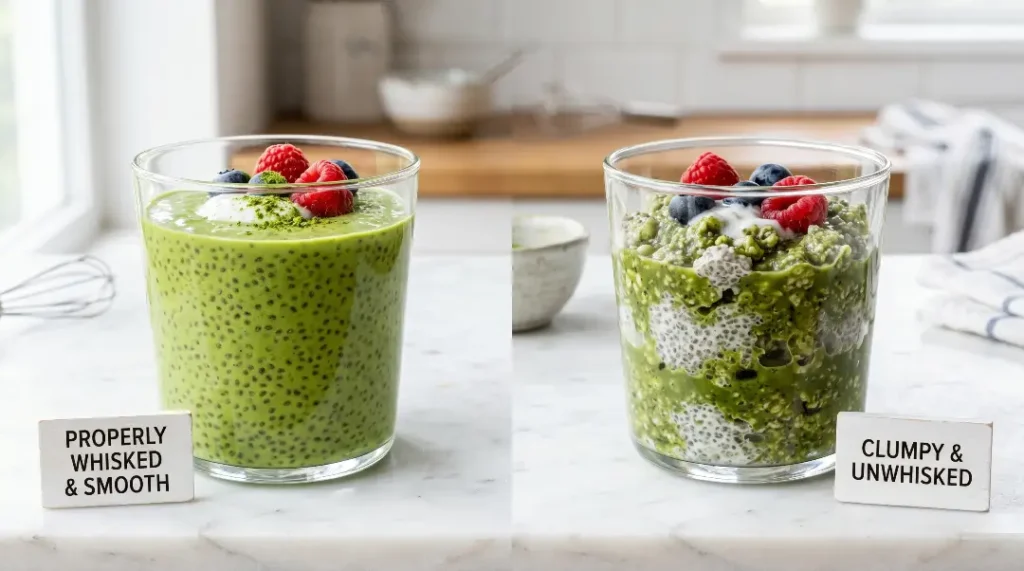
Begin by sifting your matcha powder through a fine mesh strainer into a small bowl or directly into a measuring cup. This step is important because matcha clumps easily and those clumps will not dissolve properly in the liquid.
Add about two to three tablespoons of warm (not boiling) water or warm milk to the sifted matcha and whisk vigorously until you have a smooth, lump-free paste. Traditionally, matcha is whisked in a zigzag or W-shaped motion using a bamboo whisk, which creates a beautiful froth. A regular small whisk or even a fork works fine too.
Step 2: Combine with Milk and Sweetener
Pour your remaining milk into a bowl or a large jar. Add the matcha paste, maple syrup, vanilla extract, and sea salt. Whisk or stir everything together until the mixture is completely smooth and evenly colored. Taste and adjust the sweetness if needed.
Step 3: Add the Chia Seeds
Add the chia seeds to the matcha milk mixture and stir well. Wait about five minutes and then stir again. This second stir is a trick that prevents the chia seeds from clumping together at the bottom of the container, which can leave you with a pudding that has an uneven texture.
Step 4: Refrigerate
Cover your bowl or jar and place it in the refrigerator. Let it set for a minimum of four hours, but overnight is ideal. The longer it sits, the thicker and creamier it becomes.
Step 5: Serve and Top
Give the pudding a good stir before serving. If it has become thicker than you like, add a splash of milk and stir it in. Spoon it into bowls or glasses and add your toppings.
Topping Ideas That Make Every Bowl Feel Special
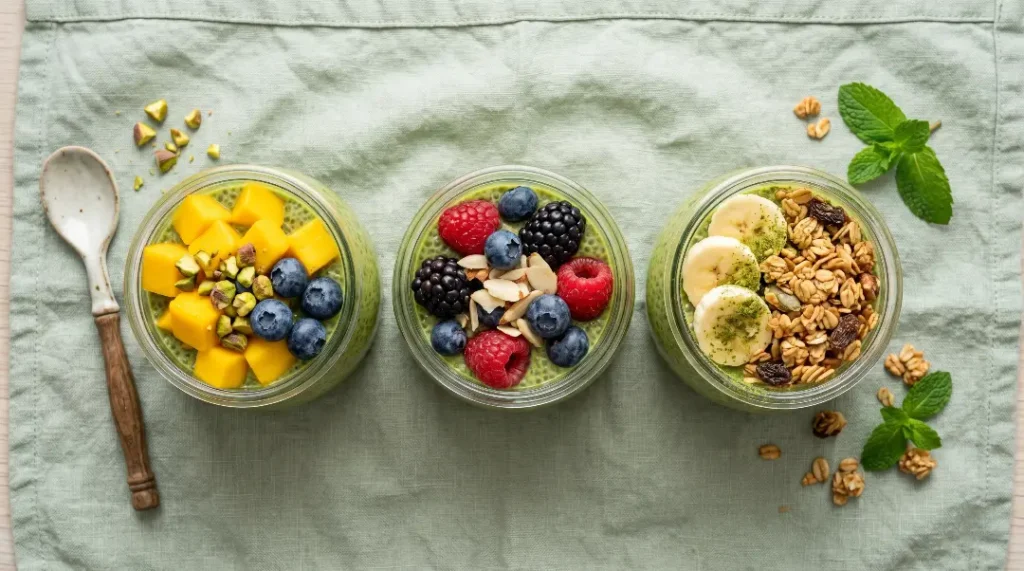
One of the most enjoyable parts of matcha green tea chia pudding is the toppings. The earthy, slightly sweet base pairs with a wide range of flavors and textures, so you can change things up every single day.
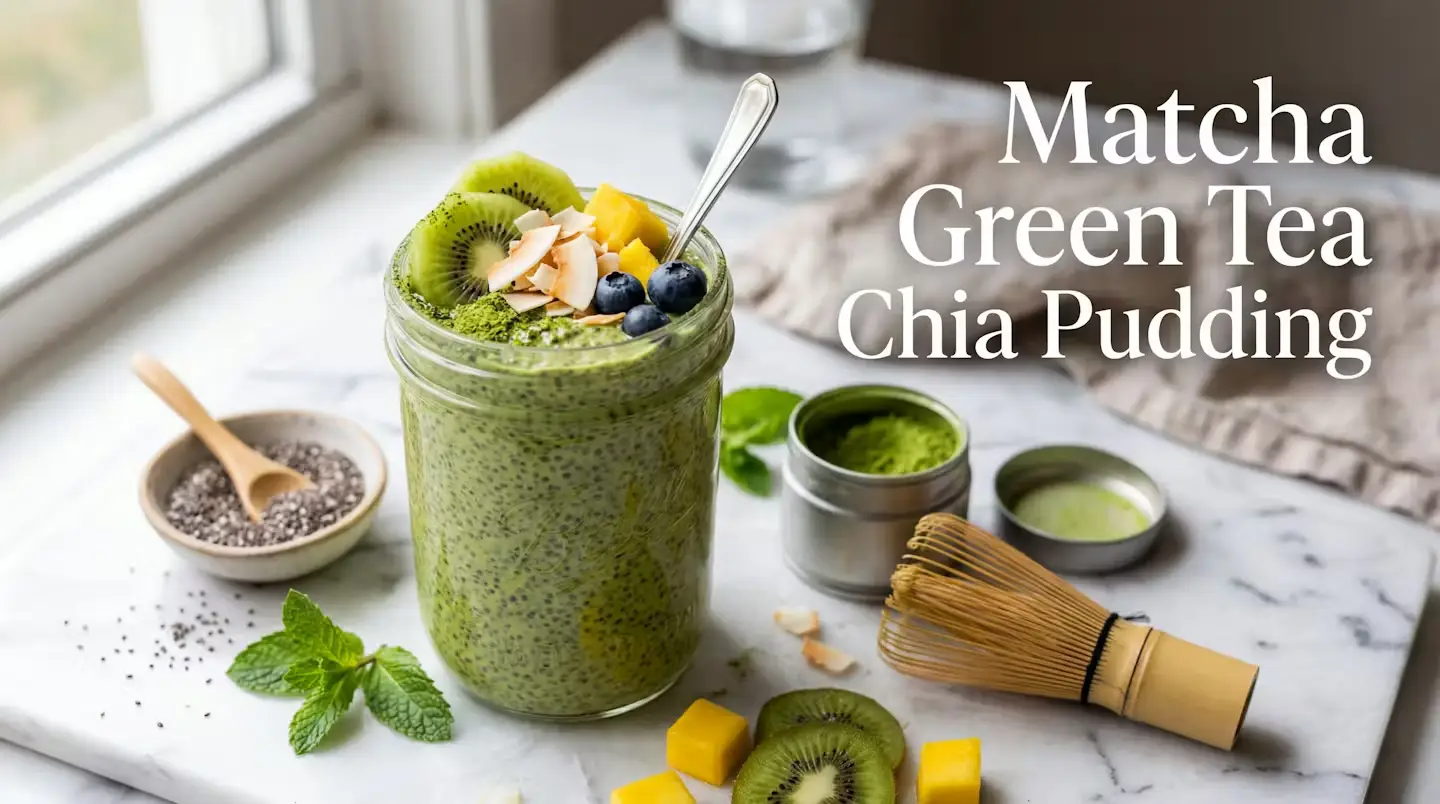
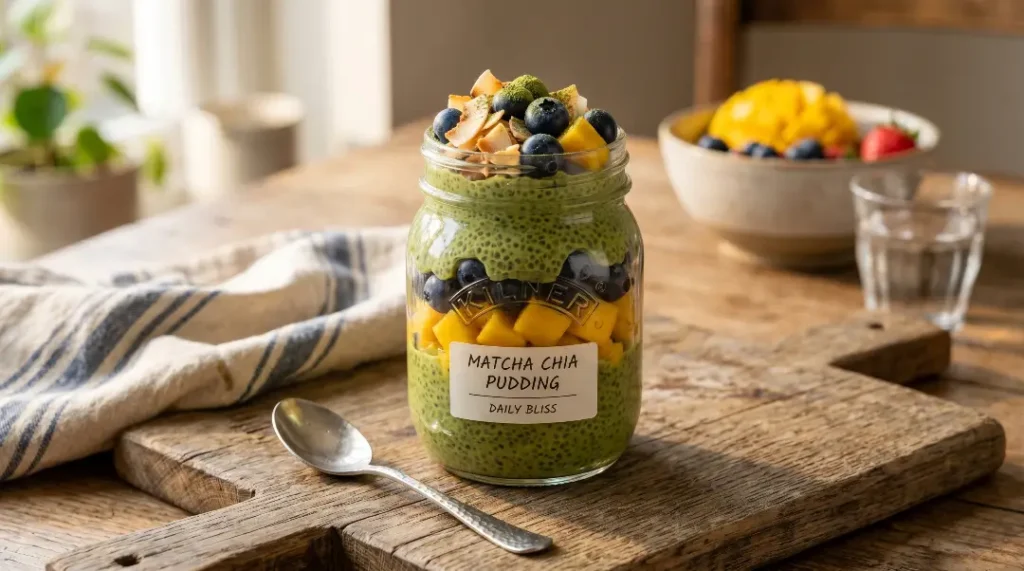
Fresh Fruits: Sliced mango brings a tropical sweetness that contrasts beautifully with the earthy matcha. Strawberries add a bright, tangy note. Blueberries and raspberries complement the antioxidant theme of the pudding. Kiwi slices add a vivid green color that plays nicely with the pudding’s hue.
Crunchy Elements: Granola adds a satisfying crunch and makes the pudding feel more substantial. Toasted coconut flakes add a nutty, tropical note. Hemp seeds and pumpkin seeds add extra protein and a pleasant texture contrast. Cacao nibs add a slightly bitter chocolate note that pairs remarkably well with matcha.
Creamy Additions: A spoonful of almond butter or cashew butter swirled into the top adds richness and healthy fats. A dollop of coconut cream creates an indulgent, almost dessert-like feel.
Finishing Touches: A light dusting of matcha powder over the top is both beautiful and adds an extra matcha hit. A drizzle of honey or maple syrup right before serving adds a glossy, sweet finish.
Nutritional Breakdown of Matcha Green Tea Chia Pudding
Understanding what is in your food helps you make informed choices. Here is an approximate nutritional breakdown for a single serving of matcha green tea chia pudding made with coconut milk and maple syrup, without toppings.
Per serving (approximately 1 cup):
Calories: Approximately 280 to 320 calories depending on the milk and sweetener used.
Protein: Around 6 to 8 grams. Chia seeds contribute meaningful plant-based protein to each serving.
Fat: 14 to 18 grams, largely from the coconut milk and the omega-3 rich fats in chia seeds. These are predominantly healthy unsaturated fats.
Carbohydrates: 24 to 28 grams, of which a significant portion is dietary fiber.
Fiber: 10 to 12 grams per serving, which is roughly 35 to 45 percent of the recommended daily intake. This high fiber content is one of the reasons the pudding is so satisfying and filling.
Calcium: Chia seeds are an excellent plant-based source of calcium, and one serving of this pudding can provide 15 to 18 percent of your daily calcium needs.
Antioxidants: The matcha contributes a powerful dose of catechins, particularly EGCG, with each teaspoon of matcha containing as much antioxidant activity as roughly ten cups of regular brewed green tea.
How to Make Matcha Green Tea Chia Pudding for Different Dietary Needs
One of the reasons this recipe is so popular is how adaptable it is to different dietary preferences and restrictions.
Vegan and Dairy-Free
Simply use any plant-based milk. Coconut milk, oat milk, almond milk, cashew milk, and soy milk all work. Choose maple syrup or agave as your sweetener and the recipe is entirely plant-based.
Keto and Low Carb
Use unsweetened almond milk or full-fat coconut milk from a can (not the carton, which is more diluted). Sweeten with a small amount of monk fruit sweetener or erythritol instead of maple syrup. At this ratio, the net carbs per serving drop significantly while the fat content remains satisfying.
High Protein
Stir in a tablespoon of unflavored collagen peptides or a scoop of vanilla protein powder before refrigerating. You can also serve it topped with Greek yogurt for an extra protein boost. Doing this can bring the protein content up to 20 to 25 grams per serving.
Kid Friendly
Reduce or eliminate the bitterness by using more sweetener and a slightly smaller amount of matcha. Top with sliced bananas, a drizzle of honey, and some granola for a breakfast that most children find genuinely appealing.
Meal Prep Tips: Making a Week’s Worth of Matcha Green Tea Chia Pudding
Matcha green tea chia pudding is one of the best meal prep foods you can make because it stores beautifully and actually improves in texture as it sits.
Batch Prep: Scale the recipe up by two or three times and divide it into individual jars before refrigerating. Mason jars with lids are ideal because they seal well, are easy to grab and go, and look beautiful when you layer the toppings.
Storage Time: Matcha green tea chia pudding keeps well in the refrigerator for up to five days. The texture may continue to thicken over time. If it becomes too thick after a few days, simply stir in a small splash of your milk of choice.
Topping Strategy: Keep your toppings separate and add them fresh each morning. Fresh fruit will break down and become mushy if stored directly on top of the pudding, and granola will lose its crunch. A small container of pre-prepared toppings in the fridge makes the morning routine quick and easy.
Freezing: While chia pudding can technically be frozen, the texture changes somewhat after thawing because the gel structure of the chia seeds breaks down. For best results, stick to refrigerating rather than freezing.
Common Mistakes and How to Avoid Them
Even though matcha green tea chia pudding is simple to make, there are a few common mistakes that can result in a less than ideal pudding.
Clumpy Chia Seeds: This is the most common issue. If you do not stir the pudding a second time after the initial five minutes, the chia seeds will settle and clump together. Always stir twice before covering and refrigerating.
Bitter Matcha Flavor: This usually comes from using low-quality matcha or adding boiling water when whisking. Matcha should never be mixed with boiling water, as extreme heat destroys some of its beneficial compounds and makes the flavor harsh. Use warm water, around 70 to 80 degrees Celsius, for the best taste.
Pudding That Is Too Thin: If your pudding is still very liquid after refrigerating overnight, you may not have used enough chia seeds, or your seeds may be old. Fresh chia seeds absorb liquid much more effectively. Try adding an extra tablespoon of chia seeds, stirring, and refrigerating for another two hours.
Pudding That Is Too Thick: This is an easy fix. Just stir in more milk one tablespoon at a time until you reach your preferred consistency.
Uneven Color: Matcha clumps, so if you skip the sifting and whisking steps, you will end up with dark green flecks rather than an even, vivid green pudding. Always sift and create a smooth paste first.
The Science Behind Why Matcha Green Tea Chia Pudding Keeps You Full
One of the most talked-about benefits of this pudding is how surprisingly filling and long-lasting its satiety effect is. There are several scientific reasons for this.
Soluble Fiber and Gastric Emptying: The soluble fiber in chia seeds forms a thick gel in your digestive system that slows gastric emptying, meaning the stomach takes longer to pass food into the small intestine. This extended digestion time keeps blood sugar levels stable and hunger hormones suppressed for hours.
Protein Satiety Effect: Protein is the most satiating macronutrient. The combination of chia seeds and milk in this recipe provides a meaningful dose of protein that contributes to post-meal satisfaction.
Healthy Fat: Fats slow digestion and trigger the release of cholecystokinin, a hormone that signals fullness to the brain. The omega-3 rich fats in chia seeds and the medium-chain triglycerides in coconut milk both contribute to this effect.
Caffeine and L-Theanine: The gentle energy lift from matcha’s combination of caffeine and L-theanine can reduce appetite, improve mood, and support mental focus, all of which contribute to the overall feeling of well-being after eating this pudding.
Creative Variations on Classic Matcha Green Tea Chia Pudding
Once you have mastered the base recipe, there are so many directions you can take it.
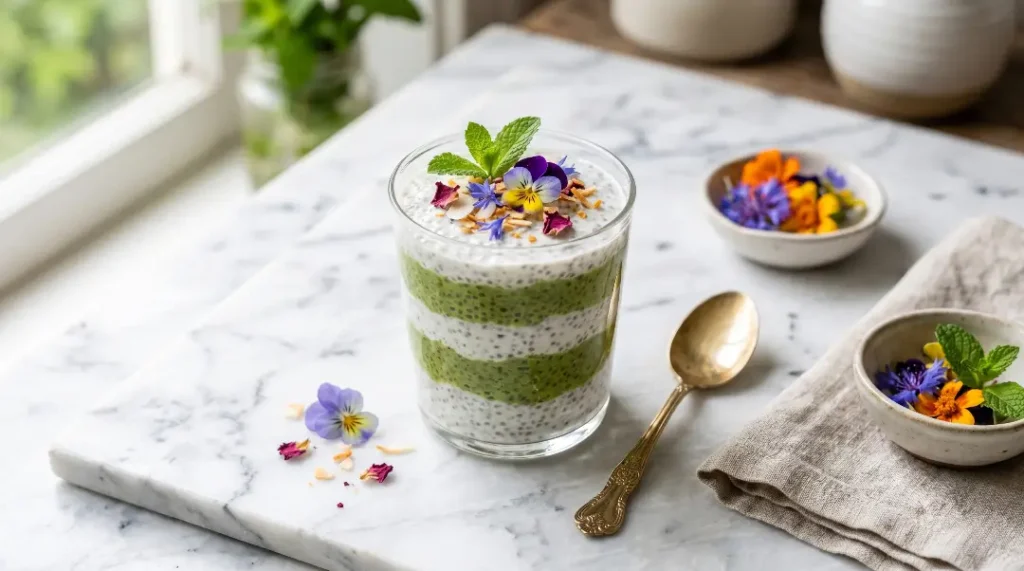
Layered Matcha Coconut Chia Parfait
Make a batch of plain coconut chia pudding (no matcha) and a batch of matcha chia pudding separately. Layer them alternately in a tall glass for a striking visual effect and a flavor combination that is both tropical and earthy.
Matcha Mango Chia Pudding
Blend fresh or frozen mango into a smooth puree and swirl it through the matcha chia pudding before refrigerating. The sweet, fruity mango and the earthy matcha are one of the best flavor pairings you can find.
Matcha Chocolate Chip Chia Pudding
Stir a tablespoon of mini dark chocolate chips into the pudding mixture before refrigerating. The slight bitterness of dark chocolate mirrors the earthy bitterness of matcha in the most satisfying way.
Matcha Latte Chia Pudding
Use a blend of half regular milk and half very strong brewed coffee as your liquid base. The result is a matcha-coffee hybrid pudding that is deeply energizing and has a complex, sophisticated flavor profile.
Matcha Berry Compote Chia Pudding
Make a quick compote by simmering mixed berries with a little maple syrup and lemon juice for about eight minutes. Let it cool completely and spoon it generously over the matcha chia pudding. The tartness of the berries cuts beautifully through the richness of the pudding.
Matcha Green Tea Chia Pudding for Skin and Beauty
Beyond the internal health benefits, many people notice positive changes in their skin when they regularly eat matcha and chia seeds as part of a balanced diet. This is not surprising given what both ingredients do at a cellular level.
Matcha’s powerful antioxidants, particularly EGCG, fight free radical damage, which is one of the primary drivers of premature skin aging. Oxidative stress breaks down collagen and elastin, the proteins responsible for keeping skin firm and bouncy. By reducing oxidative stress, matcha supports the preservation of these structural proteins.
Chia seeds are one of the richest plant-based sources of omega-3 fatty acids. These healthy fats are essential for maintaining the skin’s lipid barrier, which is responsible for keeping moisture in and irritants out. People who are deficient in omega-3s often experience dry, flaky, or inflamed skin. Regular consumption of omega-3 rich foods like chia seeds is associated with more hydrated, supple skin.
The high water absorption capacity of chia seeds also means that they contribute to overall hydration when consumed with adequate liquid, which directly benefits skin moisture levels.
Where to Buy Quality Matcha for Your Chia Pudding
The quality of matcha varies enormously between brands and grades, and buying the wrong type can result in a pudding that tastes bitter, dull, or simply not very matcha-ish.
What to look for: Bright, vivid green color is the number one indicator of quality. Matcha should smell fresh and slightly grassy, not stale or musty. The texture should be very fine and silky, not gritty.
Ceremonial vs. Culinary Grade: For matcha green tea chia pudding, ceremonial grade is recommended because the flavor is the star of the show. Culinary grade works but tends to be more bitter and has a darker, duller green color. It is better reserved for baking where the matcha flavor is mixed with other strong ingredients.
Packaging: Matcha oxidizes quickly when exposed to air and light, so always buy matcha in sealed, opaque packaging. Once opened, store it in an airtight container away from heat, light, and moisture. Refrigerating opened matcha is even better, especially if you live in a warm climate.
Origin: Japanese matcha, particularly from the Uji, Nishio, and Yame regions, is widely considered the gold standard. You will see these origin labels on premium matcha products and they are generally a reliable sign of quality.
Frequently Asked Questions About Matcha Green Tea Chia Pudding
Q) How long does matcha green tea chia pudding last in the fridge?
When stored in a sealed container, matcha green tea chia pudding keeps well for up to five days in the refrigerator. It is best consumed within three days for optimal freshness and flavor, though it remains perfectly safe to eat through day five.
Q) Can I make matcha green tea chia pudding without sweetener?
Yes, absolutely. If you prefer an unsweetened pudding, simply leave out the sweetener. The flavor will be more earthy and slightly bitter from the matcha. You can also rely on naturally sweet milk like oat milk or top with naturally sweet fruit to balance the bitterness without adding refined sugar.
Q) Is matcha safe to consume every day?
For most adults, consuming one to two teaspoons of matcha per day is considered safe and beneficial. Matcha does contain caffeine, approximately 35 to 70 mg per teaspoon, so people who are caffeine-sensitive, pregnant, or breastfeeding should consult with a healthcare provider about appropriate amounts.
Q) Why did my chia pudding not set?
If your pudding is still liquid after four hours or overnight, the most likely causes are old chia seeds that have lost their gelling ability, too much liquid relative to chia seeds, or insufficient stirring. Try adding one more tablespoon of chia seeds, stirring thoroughly, and leaving it for an additional two to three hours.
Q) Can I use instant matcha or matcha latte mix?
It is not recommended. Most instant matcha or matcha latte mixes contain added sugar, dairy powder, or artificial flavors that will affect the nutrition and taste of your pudding. Pure ceremonial or culinary grade matcha powder is always the better choice.
Q) Does the pudding taste like tea?
Not exactly. Matcha green tea chia pudding tastes creamy, slightly earthy, gently sweet, and mildly grassy. It does not taste like drinking a cup of green tea. The dairy or plant milk softens the flavor considerably, and the sweetener rounds it out into something that tastes rich and dessert-like while still being wholesome.
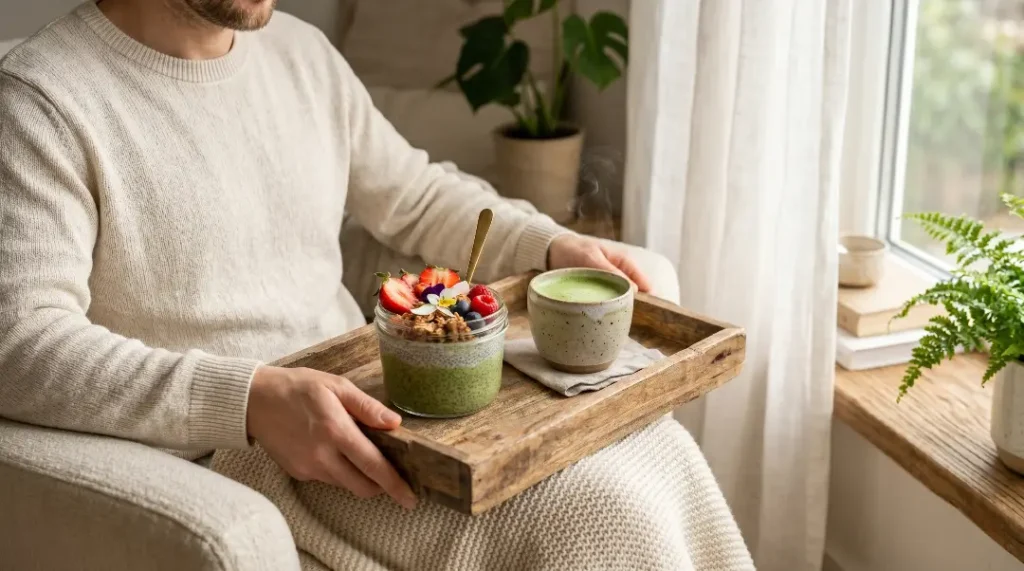
More Ways To Make Chia Pudding
Once you have the base recipe mastered, there are so many ways to customize Strawberry Banana Chia Pudding to suit your taste, dietary needs, or whatever ingredients you have available.
Tropical Twist Version
Add a few tablespoons of fresh or frozen mango chunks along with the strawberries. Use full-fat coconut milk as your base and top with toasted coconut flakes and a wedge of fresh pineapple. This variation tastes like a tropical smoothie bowl in pudding form and is perfect for warmer months.
Chocolate Strawberry Banana Version
Stir one tablespoon of unsweetened cocoa powder or raw cacao powder into the chia pudding base before refrigerating. The result is a rich, chocolatey pudding with a deep, earthy flavor that pairs beautifully with the bright sweetness of the strawberry layer on top. This version feels especially indulgent while still being entirely wholesome.
Peanut Butter Banana Version
Stir one tablespoon of smooth natural peanut butter into the chia base along with the milk. The combination of peanut butter and banana is a classic for a reason. This version is extra satisfying and works particularly well as a post-workout snack because of its higher protein and healthy fat content.
Green Protein Version
Blend a handful of baby spinach or kale into the milk base before mixing it with the chia seeds. The spinach blends in completely without affecting the flavor, but it adds a meaningful boost of iron, folate, and chlorophyll. Pair it with the banana layer and top with sliced strawberries for a visually striking green and red layered pudding.
Vegan Yogurt Swirl Version
Swap half the milk in the chia base for plain coconut yogurt or almond yogurt. The yogurt adds a pleasant tanginess and makes the pudding even thicker and creamier. It also boosts the protein content and adds probiotics for gut health, making it a particularly good choice if digestive wellness is a priority for you.
Pairing Matcha Green Tea Chia Pudding with Other Foods
While this pudding is a satisfying standalone meal or snack, pairing it thoughtfully can create a more complete nutritional picture.
For a balanced breakfast, serve the pudding alongside a piece of whole grain toast with avocado or almond butter. This adds complex carbohydrates that complement the fat and protein in the pudding and provides a more sustained energy release.
For a post-workout recovery snack, pair the pudding with a smoothie made from banana, spinach, and protein powder. The pudding’s omega-3s support muscle recovery and reduce exercise-induced inflammation, while the smoothie replenishes glycogen stores quickly.
For a lighter afternoon snack, serve a smaller portion of the pudding alongside a handful of raw almonds or walnuts. This combination of healthy fats, fiber, and protein makes for an excellent blood-sugar-stabilizing afternoon snack that prevents the mid-afternoon energy crash.
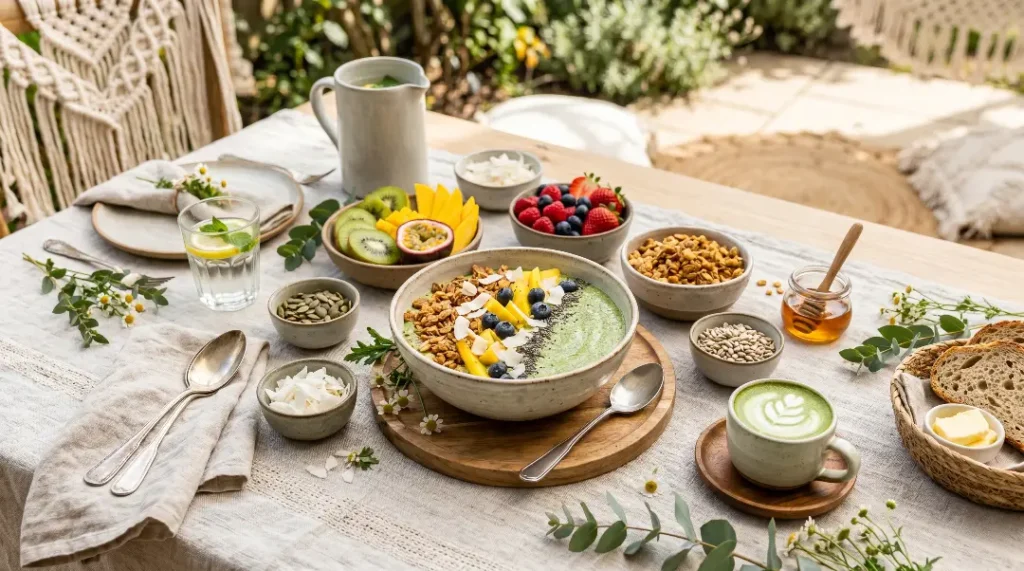
The Environmental Case for Matcha Green Tea Chia Pudding
Beyond the personal health benefits, there is a genuine environmental argument for making matcha green tea chia pudding a regular part of your diet.
Both matcha and chia seeds have relatively low environmental footprints compared to animal-based protein sources. Chia is a hardy crop that requires far less water than most grains and can be grown without significant pesticide use. When sourced responsibly, chia farming has a relatively small carbon footprint.
Matcha production is more intensive in terms of the shading process and hand-harvesting that quality matcha requires, but it is still far less resource-intensive than producing animal proteins. High-quality Japanese matcha is typically grown on small family-run farms that prioritize traditional, sustainable agricultural practices.
By building a breakfast habit around plant-based, whole food ingredients like chia seeds and matcha, you are making a choice that is good not only for your body but for the planet too.
More Ways To Make Chia Pudding
Once you have the base recipe mastered, there are so many ways to customize Strawberry Banana Chia Pudding to suit your taste, dietary needs, or whatever ingredients you have available.
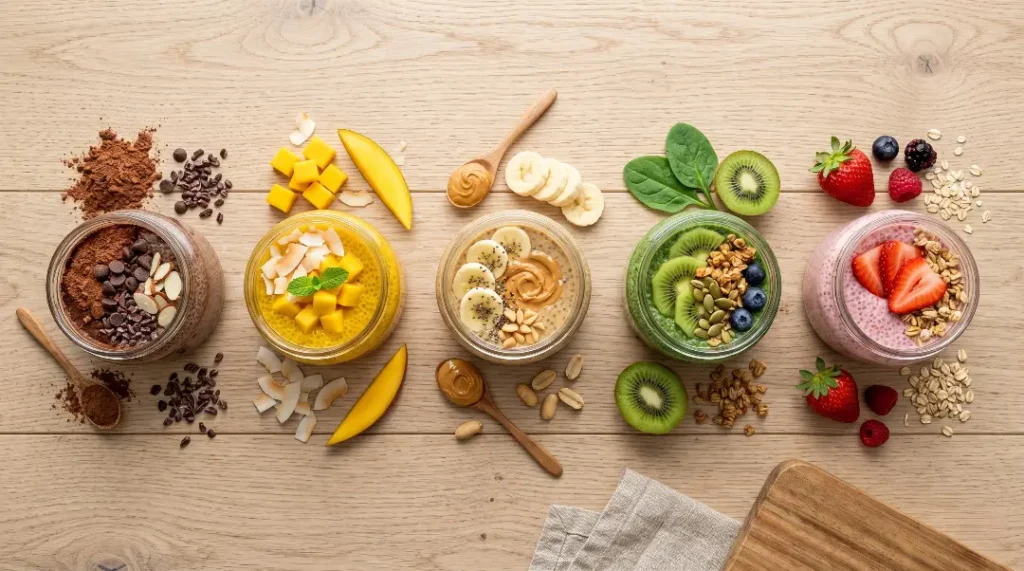
Tropical Twist Version
Add a few tablespoons of fresh or frozen mango chunks along with the strawberries. Use full-fat coconut milk as your base and top with toasted coconut flakes and a wedge of fresh pineapple. This variation tastes like a tropical smoothie bowl in pudding form and is perfect for warmer months.
Chocolate Strawberry Banana Version
Stir one tablespoon of unsweetened cocoa powder or raw cacao powder into the chia pudding base before refrigerating. The result is a rich, chocolatey pudding with a deep, earthy flavor that pairs beautifully with the bright sweetness of the strawberry layer on top. This version feels especially indulgent while still being entirely wholesome.
Peanut Butter Banana Version
Stir one tablespoon of smooth natural peanut butter into the chia base along with the milk. The combination of peanut butter and banana is a classic for a reason. This version is extra satisfying and works particularly well as a post-workout snack because of its higher protein and healthy fat content.
Green Protein Version
Blend a handful of baby spinach or kale into the milk base before mixing it with the chia seeds. The spinach blends in completely without affecting the flavor, but it adds a meaningful boost of iron, folate, and chlorophyll. Pair it with the banana layer and top with sliced strawberries for a visually striking green and red layered pudding.
Vegan Yogurt Swirl Version
Swap half the milk in the chia base for plain coconut yogurt or almond yogurt. The yogurt adds a pleasant tanginess and makes the pudding even thicker and creamier. It also boosts the protein content and adds probiotics for gut health, making it a particularly good choice if digestive wellness is a priority for you.

Made this recipe? Share your matcha green tea chia pudding creations and let us know which toppings you loved most. Every bowl is a little different and that is exactly what makes it so much fun to make.