
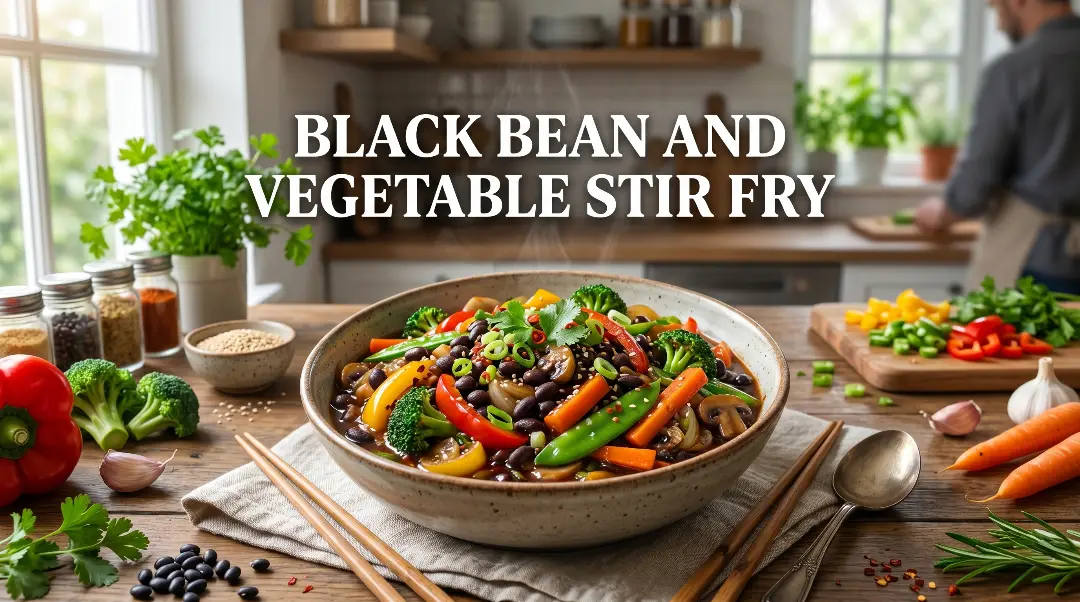
Black Bean and Vegetable Stir-Fry: The Ultimate Guide to a Bold, Healthy, and Satisfying Meal
If you have been searching for a dish that is hearty, wholesome, and genuinely exciting to eat, then this Black Bean and Vegetable Stir-Fry is exactly what your kitchen needs. This recipe brings together the deep, earthy richness of black beans with the crunch of fresh vegetables and a savory sauce that ties everything together beautifully. Whether you are cooking for one, feeding a family, or meal prepping for the week ahead, this stir-fry checks every single box.
Black Bean and Vegetable Stir-Fry is not just a meal; it is a reliable go-to that you can put together in under 30 minutes using pantry staples and whatever vegetables you have on hand. It is the kind of recipe that becomes more intuitive every time you make it, and soon enough, you will be tossing it together without even looking at the instructions.
In this guide, we are going to walk through everything you need to know, from the nutritional benefits and ingredient choices to step-by-step cooking instructions, sauce combinations, variations, and tips to make your stir-fry taste like it came from a restaurant kitchen.
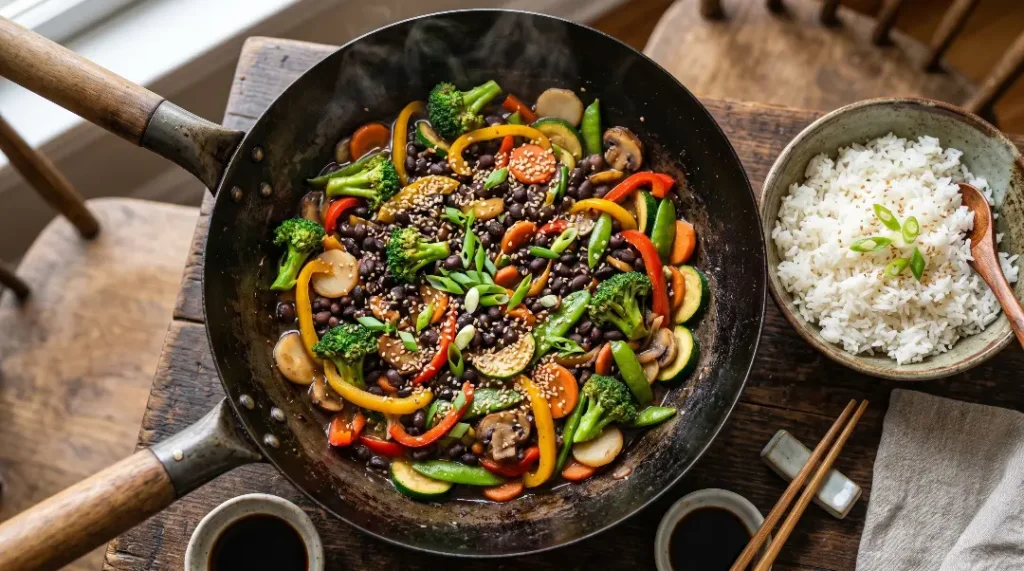
Why Black Bean and Vegetable Stir-Fry Deserves a Spot in Your Weekly Rotation
There is a reason stir-fry has remained one of the most popular cooking techniques across cultures for centuries. It is fast, flexible, and full of flavor. When you add black beans into the mix, you get something even more substantial, something that satisfies hunger without leaving you feeling sluggish.
Here is why this dish keeps people coming back:
It is genuinely fast. Once your vegetables are prepped and your sauce is ready, the actual cooking happens in 10 to 15 minutes. That makes it one of the most practical dinners you can prepare on a busy weeknight.
It is nutritionally dense. Black beans are a powerhouse of plant-based protein and fiber. Paired with colorful vegetables, you get a meal that is high in vitamins, minerals, antioxidants, and complex carbohydrates.
It is budget-friendly. Canned black beans are affordable and widely available. Most of the vegetables used in this recipe are inexpensive staples.
It adapts to your pantry. Do not have bell peppers? Use zucchini. Out of broccoli? Throw in some snap peas or bok choy. The technique remains the same, and the results are always satisfying.
The Nutritional Benefits of Black Beans in a Stir-Fry
Before we get into the cooking, it is worth taking a moment to appreciate what black beans bring to this dish beyond their flavor and texture.
Protein content: A half-cup serving of cooked black beans contains roughly 7 to 8 grams of protein. This makes them an excellent source of plant-based protein, especially for vegetarians and vegans who want to build satisfying, filling meals without meat.
Dietary fiber: Black beans are exceptionally high in fiber, with around 7 to 8 grams per half-cup serving. Fiber supports healthy digestion, helps regulate blood sugar levels, and contributes to a lasting feeling of fullness after eating.
Folate and iron: Black beans are rich in folate, which is essential for cell production and DNA synthesis. They also contain a respectable amount of iron, which supports energy levels and oxygen transport through the body.
Antioxidants: The deep black color of these beans comes from anthocyanins, which are powerful antioxidants associated with reduced inflammation and improved heart health.
Low glycemic index: Despite being a carbohydrate-containing food, black beans have a low glycemic index, meaning they cause a slower, steadier rise in blood sugar compared to refined carbohydrates.
When you combine all of that with a colorful array of vegetables, you end up with a meal that is not only satisfying and delicious but genuinely supportive of your long-term health.
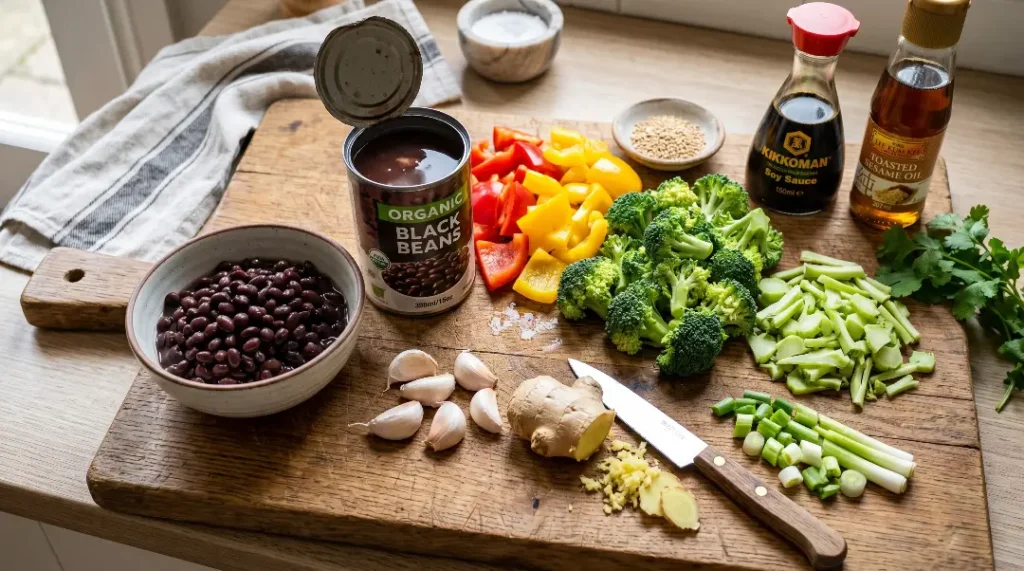
Essential Ingredients for Black Bean and Vegetable Stir-Fry
Getting the ingredients right sets the foundation for a stir-fry that actually tastes great. Here is a breakdown of everything you need and why each component matters.
The Black Beans
You can use either canned or dried black beans for this recipe. Canned black beans are the practical choice for weeknight cooking because they are already cooked and just need to be rinsed and drained. If you prefer to cook dried beans from scratch, soak them overnight and boil until tender. The flavor from scratch-cooked beans is slightly deeper, but canned beans work wonderfully and save a significant amount of time.
When using canned beans, always rinse them thoroughly under cold water to remove excess sodium and the starchy liquid from the can. This step also helps prevent the stir-fry from becoming gummy.
The Vegetables
The beauty of stir-fry is that you have enormous flexibility here. That said, some vegetables perform better than others in high-heat, quick-cook situations.
Bell peppers are a top choice. They cook quickly, retain a pleasant crunch, and their natural sweetness balances the savory sauce. Red, yellow, and orange peppers add visual vibrancy to the dish.
Broccoli florets add substance and a mild bitterness that works well with soy-based sauces. Cut them into small, uniform pieces so they cook evenly.
Snap peas or snow peas bring a bright green color and a satisfying crunch. They need very little cooking time, so add them toward the end.
Mushrooms are a wonderful addition because they contribute a meaty, umami-rich texture that complements the black beans well.
Zucchini and yellow squash absorb sauce beautifully and add a tender contrast to crunchier vegetables.
Baby corn and water chestnuts are great if you want an authentic Asian-inspired stir-fry feel.
Spinach and bok choy wilt quickly in the heat and add leafy greens without overwhelming the dish.
Aromatics
No stir-fry is complete without garlic and fresh ginger. These two aromatics form the flavor backbone of the dish. Use at least three to four cloves of garlic and a generous thumb-sized piece of fresh ginger. Mince or finely grate both for the most even distribution of flavor throughout the dish.
Green onions or scallions are added both during cooking and as a garnish at the end. They provide a mild onion flavor and a pop of color.
Dried chili flakes or fresh chili add heat if you enjoy spice. This is entirely optional but recommended for those who like bold flavors.
Building the Perfect Stir-Fry Sauce
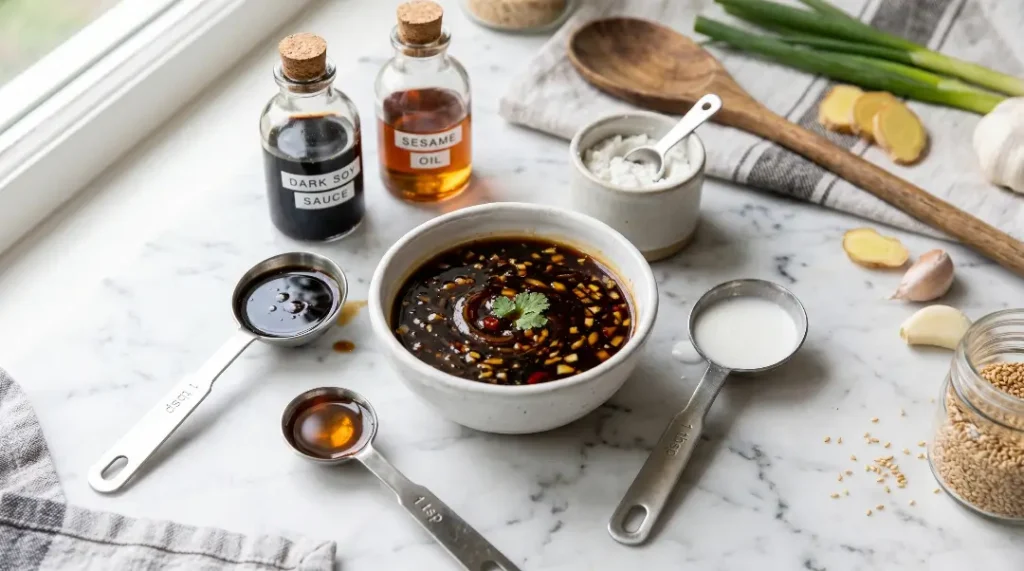
The sauce is what transforms a simple collection of vegetables and beans into a dish that is deeply flavorful and crave-worthy. Here is a classic and highly versatile sauce formula that works beautifully with Black Bean and Vegetable Stir-Fry.
Basic Stir-Fry Sauce Formula
Mix together the following in a small bowl before you start cooking:
3 tablespoons of low-sodium soy sauce (or tamari for a gluten-free option) 1 tablespoon of oyster sauce (use vegetarian oyster sauce or hoisin sauce for a fully plant-based version) 1 tablespoon of rice vinegar 1 teaspoon of sesame oil 1 teaspoon of cornstarch 1 teaspoon of sugar or honey 2 tablespoons of water Optional: 1 teaspoon of chili garlic sauce or sriracha for heat
Mix everything together until the cornstarch is fully dissolved. The cornstarch acts as a thickener and gives the sauce that glossy, restaurant-quality coating that clings to every piece of vegetable and bean.
Sauce Variations to Try
Peanut-based sauce: Add 2 tablespoons of peanut butter to the base sauce for a nutty, slightly sweet version that pairs especially well with broccoli and snap peas.
Ginger-forward sauce: Double the amount of fresh ginger and add a teaspoon of toasted sesame seeds directly into the sauce for a warming, aromatic version.
Spicy black bean sauce: Add a tablespoon of store-bought black bean sauce or fermented black bean paste to the mix. This doubles down on the black bean theme and creates an incredibly bold, savory flavor profile.
Citrus-bright sauce: Squeeze in the juice of half an orange along with a teaspoon of zest for a bright, aromatic variation that feels fresh and lively.
Step-by-Step Cooking Instructions
Now that you have your ingredients and sauce ready, let us walk through the cooking process from start to finish.
Step 1: Prepare Everything Before You Start Cooking
This is the single most important rule in stir-fry cooking. The process moves fast once the wok heats up, so you need everything prepped and within arm’s reach before the first ingredient hits the pan.
Rinse and drain your black beans. Chop all your vegetables into similar-sized pieces. Mince your garlic and grate your ginger. Mix your sauce in a bowl. Have your oil measured and ready to go.
Step 2: Heat Your Wok or Pan Properly
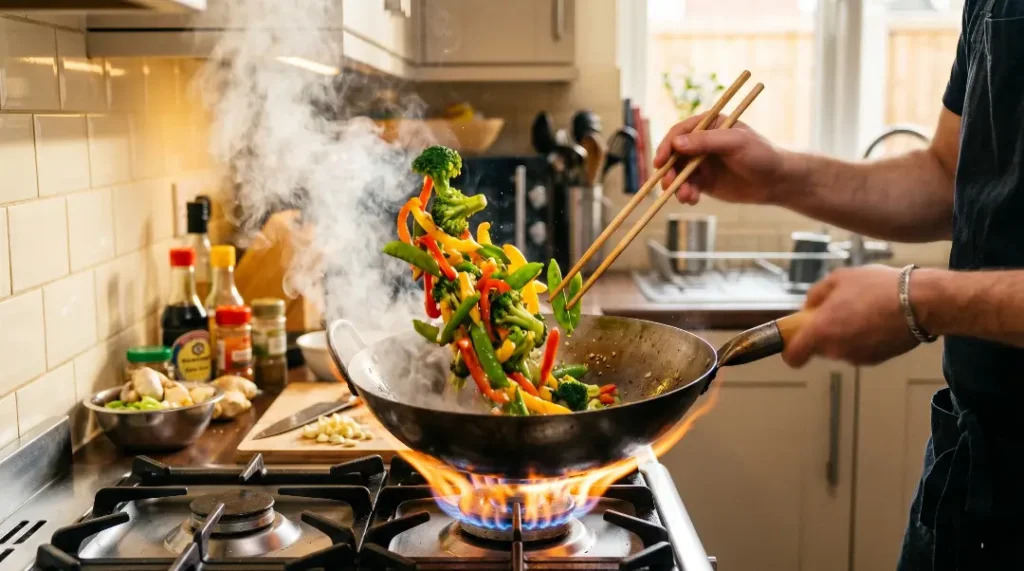
A wok is the ideal vessel for stir-frying because its curved shape and high sides allow you to toss ingredients easily while maintaining even heat. However, a large, wide skillet or a deep frying pan also works well.
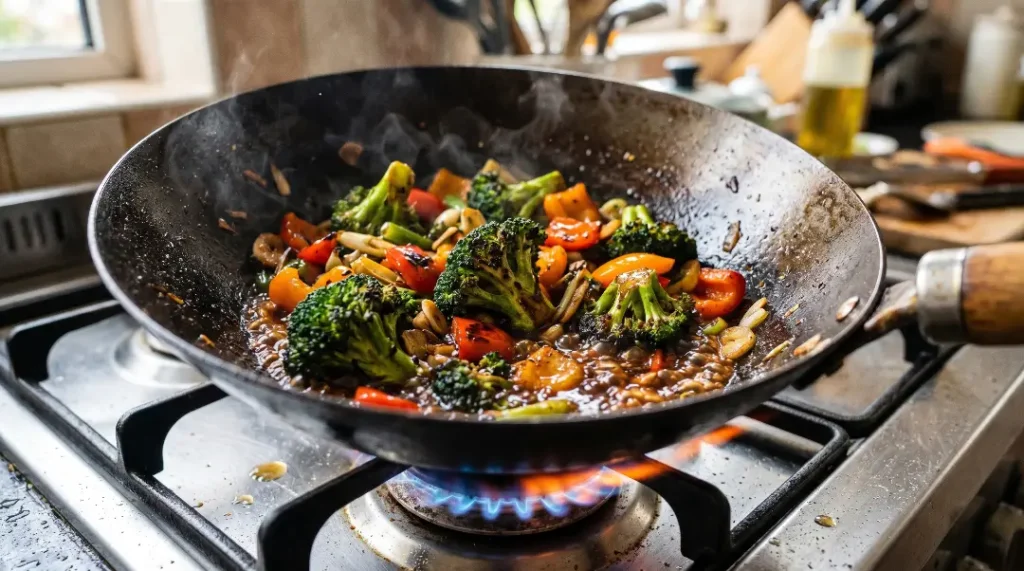
Heat your wok over high heat until it begins to smoke slightly. This step is critical. A properly preheated wok ensures that ingredients cook quickly and evenly rather than steaming and becoming soggy. Add a high-smoke-point oil such as avocado oil, peanut oil, or vegetable oil. Do not use olive oil for high-heat stir-frying as it burns too quickly.
Step 3: Cook the Aromatics
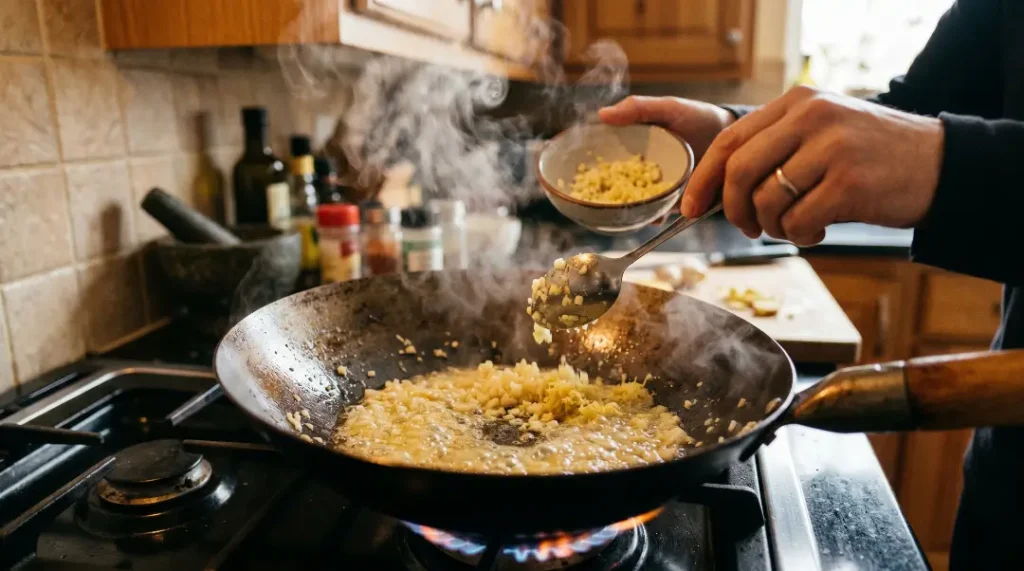
Add your minced garlic and grated ginger to the hot oil. Stir continuously for about 30 seconds. You are looking for them to turn fragrant and lightly golden. Do not walk away during this step as garlic burns very quickly.
Step 4: Add Vegetables in the Right Order
Not all vegetables cook at the same speed, so the order in which you add them matters.
Start with the vegetables that need the most time: broccoli, carrots, and thick-cut bell peppers. Toss them in the hot wok and cook for 2 to 3 minutes, stirring frequently.
Next, add medium-speed vegetables like mushrooms, zucchini, and standard-cut bell peppers. Cook for another 2 minutes.
Finally, add the quick-cooking vegetables: snap peas, bok choy, spinach, and baby corn. These go in last and need only 60 to 90 seconds.
Step 5: Add the Black Beans
Add your rinsed and drained black beans to the wok. Toss everything together gently. You want the beans to heat through and absorb some of the flavor from the vegetables and aromatics. Cook for about 1 to 2 minutes, stirring gently to avoid breaking the beans apart.
Step 6: Pour in the Sauce
Give your sauce a quick stir before adding it to the wok since the cornstarch tends to settle at the bottom. Pour the sauce over everything and toss to coat. The heat will activate the cornstarch almost immediately, and you will see the sauce thicken and turn glossy within about 60 seconds.
Taste the sauce and adjust if needed. A little more soy sauce for saltiness, a pinch of sugar for sweetness, or a splash of rice vinegar for brightness.
Step 7: Garnish and Serve
Remove from heat immediately once the sauce has coated everything evenly. Transfer to a serving dish or directly onto your rice or noodles.
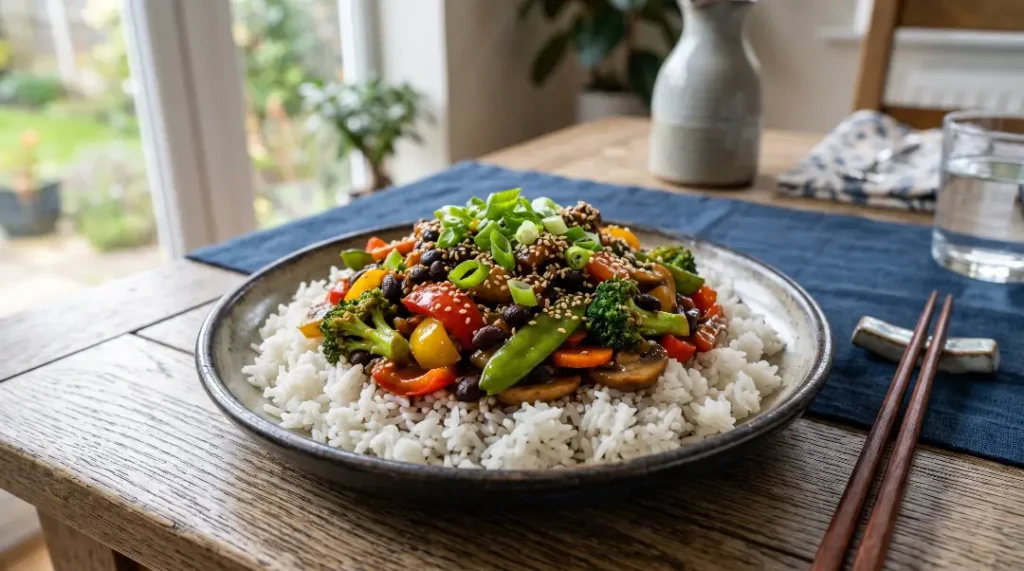
Garnish with sliced green onions, toasted sesame seeds, and a drizzle of extra sesame oil. For added freshness and color, a handful of fresh cilantro or a wedge of lime on the side works beautifully.
What to Serve With Black Bean and Vegetable Stir-Fry
One of the great things about this dish is how well it pairs with a variety of bases and sides. Here are some excellent options depending on your dietary preferences and what you have on hand.
Steamed jasmine rice is the classic pairing. The mild, slightly floral flavor of jasmine rice complements the bold stir-fry sauce without competing with it.
Brown rice is a heartier, nuttier option that adds additional fiber and a slightly chewy texture. It takes longer to cook, so plan ahead or use a rice cooker.
Cauliflower rice is a low-carbohydrate option that works surprisingly well. It soaks up the sauce beautifully and keeps the overall dish light.
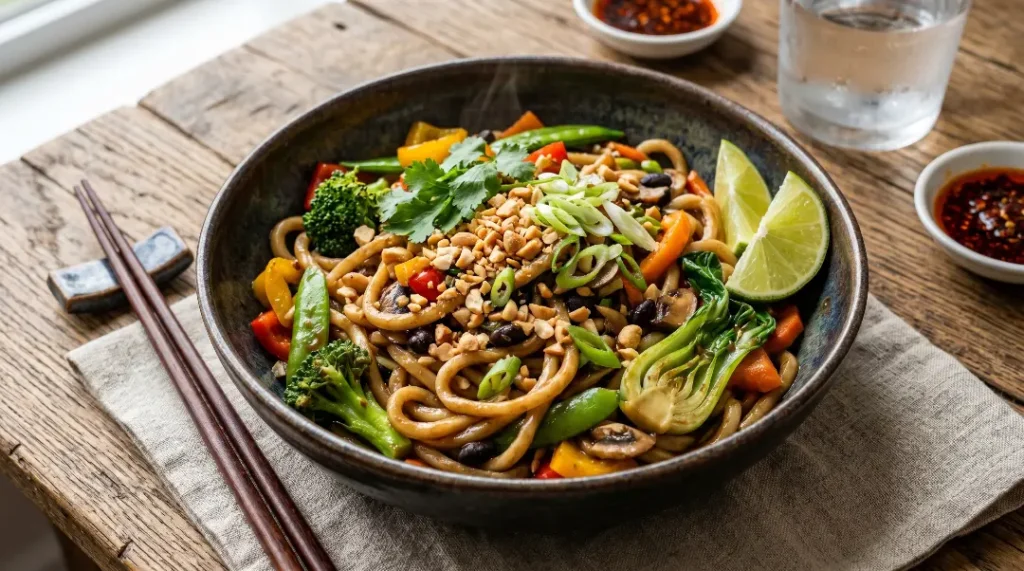
Rice noodles or udon noodles transform this stir-fry into a noodle bowl. Cook the noodles separately according to package instructions and toss them directly into the wok with the finished stir-fry for a satisfying noodle dish.
Quinoa offers a protein-boosting base that pairs well with the earthy black beans.
Lettuce wraps are a fun, fresh option. Spoon the stir-fry into large butter lettuce or romaine leaves for a lighter, handheld version of the meal.
Meal Prep Tips for Black Bean and Vegetable Stir-Fry
This dish is ideal for meal prepping, and with a few smart strategies, you can have lunches and dinners sorted for most of the week.
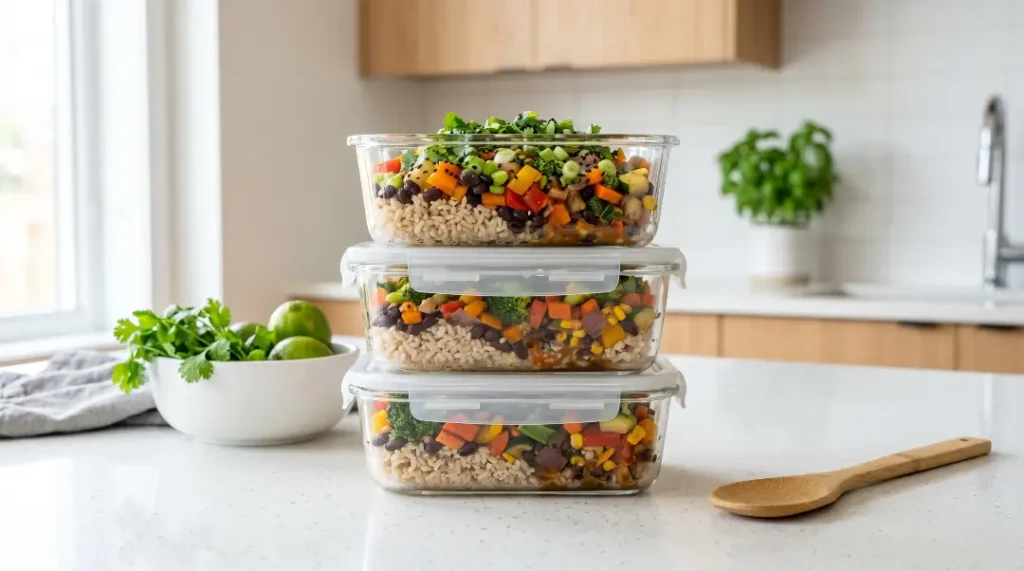
Prep your vegetables in advance. Chop all your vegetables on Sunday and store them in airtight containers in the refrigerator. They will stay crisp and fresh for up to four days.
Make the sauce ahead of time. The stir-fry sauce stores well in a sealed jar in the refrigerator for up to a week. Give it a shake before using since the cornstarch settles.
Cook in batches. If you are making a large quantity, cook in two separate batches rather than overcrowding the wok. Overcrowding lowers the pan temperature and causes steaming instead of stir-frying, which results in softer, less flavorful vegetables.
Store leftovers properly. Cooked stir-fry keeps well in the refrigerator for up to three days in an airtight container. Reheat in a hot wok or skillet with a splash of water or extra sauce to revive it.
Freeze for longer storage. While the texture of vegetables changes slightly upon freezing and thawing, the dish is still perfectly edible. Freeze in individual portions and thaw overnight in the refrigerator before reheating.
Popular Variations of Black Bean and Vegetable Stir-Fry
Once you master the base recipe, there are so many interesting directions you can take it. Here are some crowd-pleasing variations worth trying.
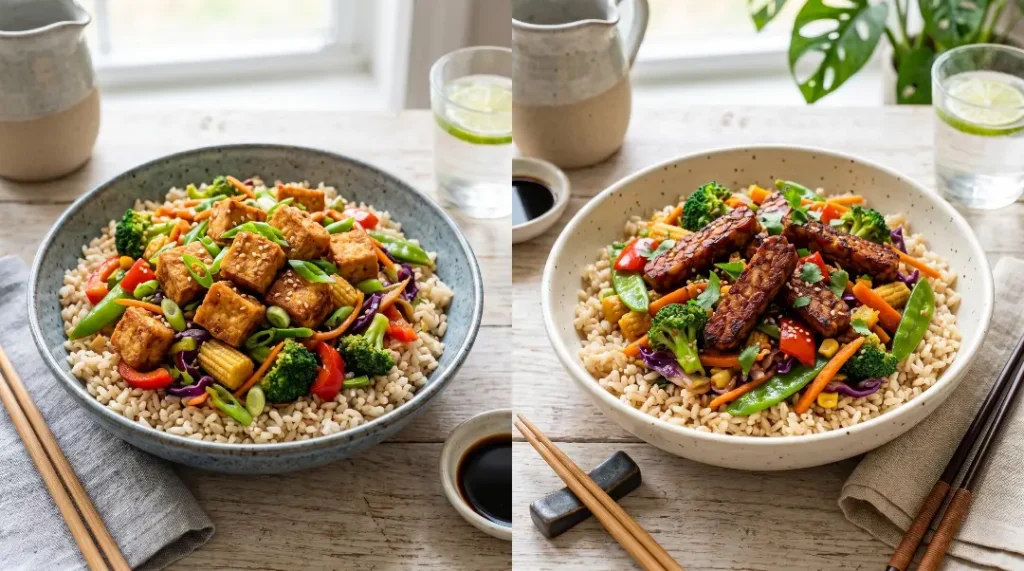
Tofu and Black Bean Stir-Fry
Press and cube firm tofu, then pan-fry it separately until golden and crispy before adding it to the stir-fry. The tofu adds extra protein and a wonderful contrast in texture.
Tempeh and Black Bean Stir-Fry
Slice tempeh into thin strips and marinate briefly in soy sauce, garlic, and smoked paprika before stir-frying. Tempeh has a nuttier flavor and firmer texture than tofu and works beautifully with black beans.
Egg and Black Bean Stir-Fry
If you eat eggs, scramble two or three eggs directly in the wok after cooking the aromatics and before adding the vegetables. Break the egg into soft curds, then continue with the rest of the recipe. The eggs add richness and protein.
Spicy Sichuan-Style Black Bean Stir-Fry
Add a tablespoon of Doubanjiang, which is a fermented chili bean paste from Sichuan cuisine, to the sauce. This creates an intensely savory, spicy, and aromatic version that pairs beautifully with a cold cucumber salad on the side.
Thai-Inspired Black Bean Stir-Fry
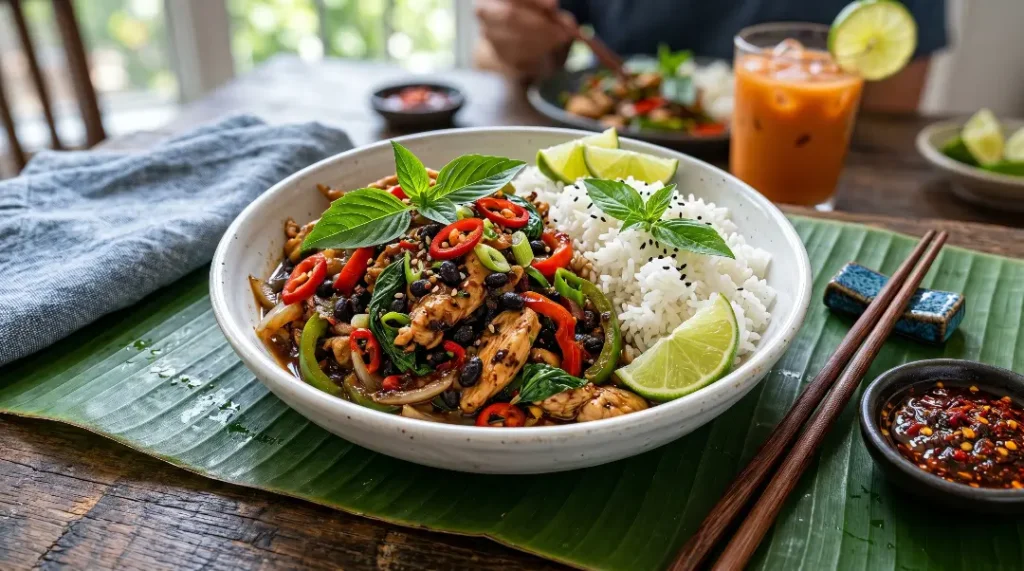
Swap the soy sauce for fish sauce or a vegan alternative, add a generous squeeze of lime juice, a tablespoon of Thai basil leaves, and a chopped Thai chili. Serve over jasmine rice for a fragrant, Southeast Asian-inspired bowl.
Korean-Inspired Black Bean Stir-Fry
Use gochujang (Korean fermented chili paste) in place of sriracha, add a splash of rice wine, and top with kimchi on the side. The fermented flavors make this version incredibly complex and satisfying.
Common Mistakes to Avoid When Making Stir-Fry
Even though stir-fry is relatively straightforward, a few common mistakes can stand between you and a truly great result.
Not heating the pan enough. This is the most common mistake. A wok that is not hot enough will steam your vegetables rather than sear them, resulting in a watery, lackluster dish. Always heat your pan until it is visibly hot and begins to smoke before adding oil.
Overcrowding the pan. Adding too many vegetables at once drops the temperature and causes steaming. If you are cooking a large batch, work in two or three rounds.
Not drying vegetables before cooking. Wet vegetables introduce moisture into the pan and cause splattering and steaming. After washing your vegetables, pat them thoroughly dry with a clean kitchen towel.
Adding the sauce too early. The sauce needs direct contact with a hot surface to thicken properly. Add it only after all your vegetables are cooked and hot.
Breaking the black beans apart. Black beans are soft and can crumble if stirred too aggressively. Use a gentle hand when tossing after adding the beans, and avoid using a metal spatula that might mash them.
Skipping the cornstarch in the sauce. Cornstarch is what gives the sauce that beautiful glossy coat. Without it, the sauce will be thin and run to the bottom of the dish instead of clinging to the vegetables.
Tips for Getting Restaurant-Quality Results at Home
If you have ever eaten stir-fry at a Chinese or Asian restaurant and wondered why it tastes so much better than the version you make at home, the answer usually comes down to heat and technique.
Use the highest heat your stove allows. Restaurants use commercial burners that generate significantly more heat than home stoves. To compensate, preheat your wok for longer and keep it on the highest setting throughout cooking.
Use a carbon steel wok if possible. Carbon steel woks heat up faster, maintain higher temperatures, and develop a natural seasoning over time that adds depth of flavor to everything cooked in them. They are available at most kitchen supply stores and are surprisingly affordable.
Add a small amount of oil between batches. If you are cooking multiple rounds of vegetables, add a fresh splash of oil to the hot pan before each batch to maintain the right cooking environment.
Use the velveting technique for protein. If you are adding tofu or tempeh, marinating it briefly in a mixture of soy sauce and cornstarch before cooking creates a silky, restaurant-quality coating.
Season at the end, not the beginning. Taste your stir-fry right before serving and adjust seasoning at that point. Salt and soy sauce added too early can draw moisture out of the vegetables.
Storing and Reheating Leftovers
Refrigerator storage: Place cooled stir-fry in an airtight container and store in the refrigerator for up to three days. The flavor often deepens by the next day as the sauce melds with the vegetables and beans.
Reheating: The best way to reheat stir-fry is in a hot wok or skillet with a tablespoon of water or additional sauce. This revives the vegetables and prevents the dish from drying out. Avoid microwaving if possible as it tends to make the vegetables soft and limp.
Freezing: While freezing is possible, note that some vegetables, especially those with high water content like zucchini and bok choy, become softer after thawing. Bell peppers and broccoli hold up reasonably well. Freeze in single-serving portions for convenience.
Frequently Asked Questions About Black Bean and Vegetable Stir-Fry
Q) Can I use dried black beans instead of canned? Yes, absolutely. Cook your dried black beans until tender, which usually takes 60 to 90 minutes after soaking overnight. Allow them to cool before adding to the stir-fry.
Q) Is this recipe gluten-free? The recipe can be made fully gluten-free by using tamari instead of regular soy sauce and ensuring your oyster sauce or hoisin sauce is certified gluten-free. Most rice-based ingredients in the dish are naturally gluten-free.
Q) Can I add meat to this stir-fry? Yes. Thinly sliced chicken breast, beef, or shrimp work well. Cook the protein first in a hot wok until cooked through, remove it, then proceed with the vegetables and add the protein back in when adding the beans.
Q) How spicy is this dish? As written, the base recipe is mild to moderately savory with no significant heat. You can control the spice level entirely by adjusting the amount of chili flakes, sriracha, or chili garlic sauce you add to the sauce.
Q) What can I use instead of sesame oil? If you do not have sesame oil or have a sesame allergy, you can use a small amount of peanut oil or simply leave it out. The sesame oil adds a distinct nutty flavor, but the dish is still very good without it.
Q) Can I make this dish oil-free? Yes, for an oil-free version, you can dry-fry vegetables over high heat with occasional splashes of vegetable broth or water to prevent sticking. The result is slightly less rich but still flavorful.
A Note on Customizing This Recipe for Dietary Needs
One of the greatest strengths of Black Bean and Vegetable Stir-Fry is how easily it adapts to almost any dietary preference or restriction.
Vegan and vegetarian: The base recipe is already vegan as long as you use vegetarian oyster sauce or hoisin sauce in place of traditional oyster sauce.
Low-sodium: Use reduced-sodium soy sauce or tamari and reduce the amount of added sauce overall. The aromatics and sesame oil provide plenty of flavor even with less salt.
High-protein: Double the amount of black beans, add tofu or tempeh, and serve over quinoa for a genuinely high-protein, plant-based meal.
Low-carbohydrate: Serve over cauliflower rice instead of regular rice and reduce the amount of cornstarch in the sauce.
Nut-free: The base recipe is nut-free. Just avoid peanut oil and the peanut sauce variation if allergies are a concern.
Final Thoughts on Making Black Bean and Vegetable Stir-Fry at Home
Black Bean and Vegetable Stir-Fry is the kind of recipe that rewards effort and creativity in equal measure. It is fast enough for a Tuesday evening when you have 25 minutes and barely any energy, and it is interesting enough to serve to guests who care about good food. The combination of protein-rich black beans, colorful vegetables, and a deeply savory sauce makes it one of the most satisfying plant-based meals you can put on the table.
Once you understand the core technique, which is hot pan, properly prepped ingredients, and a well-balanced sauce, you will find yourself making variations of this dish again and again. It is the kind of cooking knowledge that stays with you and shows up every week in some form, whether you are clearing out the vegetable drawer or putting together a deliberate, nutritious meal plan.
Give it a try this week. Start with the basic recipe, taste as you go, and do not be afraid to make it your own. The best version of this stir-fry is the one that fits your pantry, your palate, and your lifestyle.