
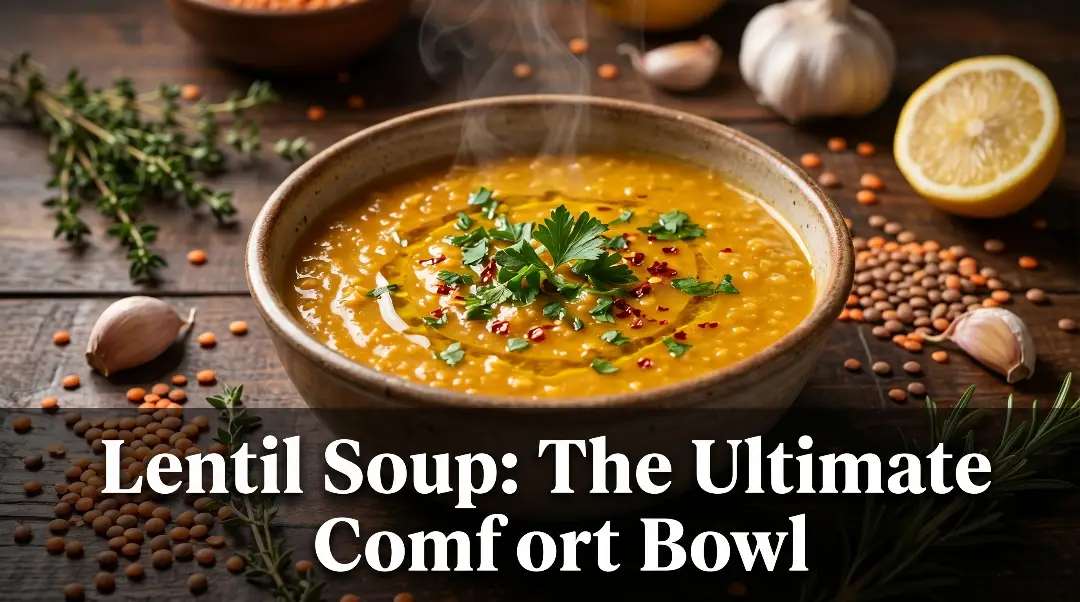
Lentil Soup: The Ultimate Comfort Bowl That Feeds Your Body and Soul
Lentil soup has been warming hearts and filling stomachs for thousands of years. Whether you are making it for a quiet weeknight dinner or a big family gathering, this simple, budget-friendly dish never disappoints. It is thick, hearty, packed with protein and fiber, and honestly one of the most satisfying meals you can make with a handful of pantry staples. In this detailed guide, we are going to walk you through everything you need to know about lentil soup, from its rich history and impressive health benefits to step-by-step recipe instructions, regional variations, and pro tips that will take your pot of soup from good to absolutely unforgettable.
What Is Lentil Soup and Why Is Everyone Obsessed With It?
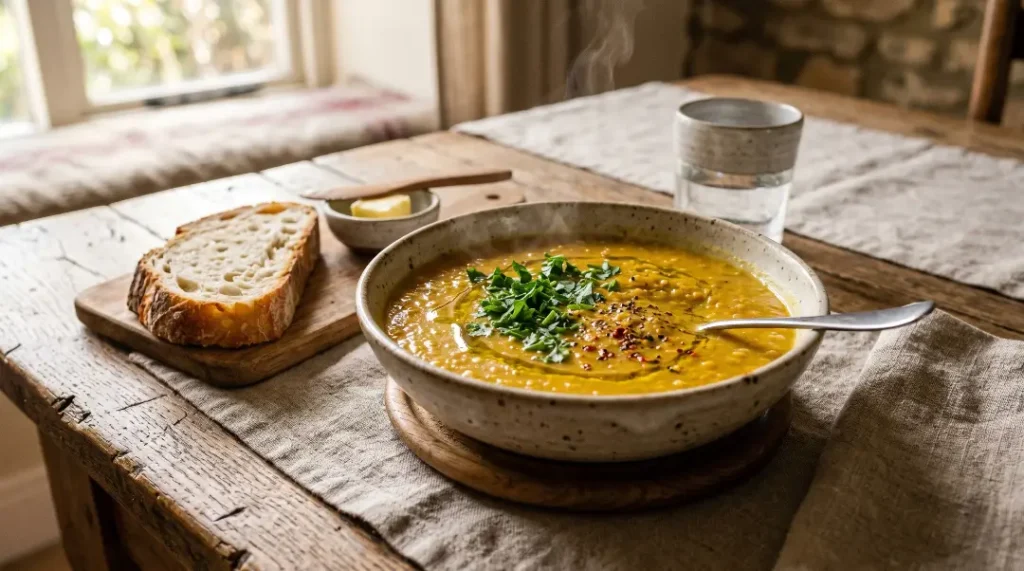
At its core, lentil soup is a thick, warm broth-based dish made with lentils as the main ingredient. Lentils are tiny legumes that come in a variety of colors including green, red, brown, black, and yellow, and each type brings a slightly different texture and flavor to the pot. What makes this soup so universally beloved is its incredible versatility. You can make it spicy or mild, creamy or chunky, vegetarian or meat-based, and it still turns out fantastic every single time.
What truly sets lentil soup apart from other soups is how naturally filling it is. Lentils are one of the most protein-rich plant foods on the planet, which means a bowl of this soup keeps you full for hours. It is the kind of meal that works as a light starter, a satisfying lunch, or a hearty dinner. And the best part? It costs very little to make and comes together in under an hour on the stovetop.
A Brief History of Lentil Soup
Lentils are among the oldest cultivated crops in human history, with evidence of lentil cultivation dating back more than 9,000 years in the Middle East and Mediterranean regions. Ancient Egyptians, Greeks, and Romans all consumed lentils regularly, and lentil-based soups have appeared in culinary traditions across the Middle East, South Asia, Europe, and Africa for millennia.
In fact, one of the earliest recorded food references in the Bible involves lentils. Esau famously traded his birthright for a pot of red lentil stew, which tells you just how valued this ingredient was in ancient times. Fast forward to today, and lentil soup remains a staple in countries like Turkey, Egypt, India, France, Spain, Ethiopia, and Lebanon, each bringing their own unique twist to the dish.
The reason lentils became so embedded in world cuisines is simple: they are cheap, nutritious, easy to store, and grow well in many types of soil. For centuries, they fed entire communities during harsh winters and food shortages. That humble origin story is part of what makes lentil soup feel so comforting and grounding.
Health Benefits of Lentil Soup
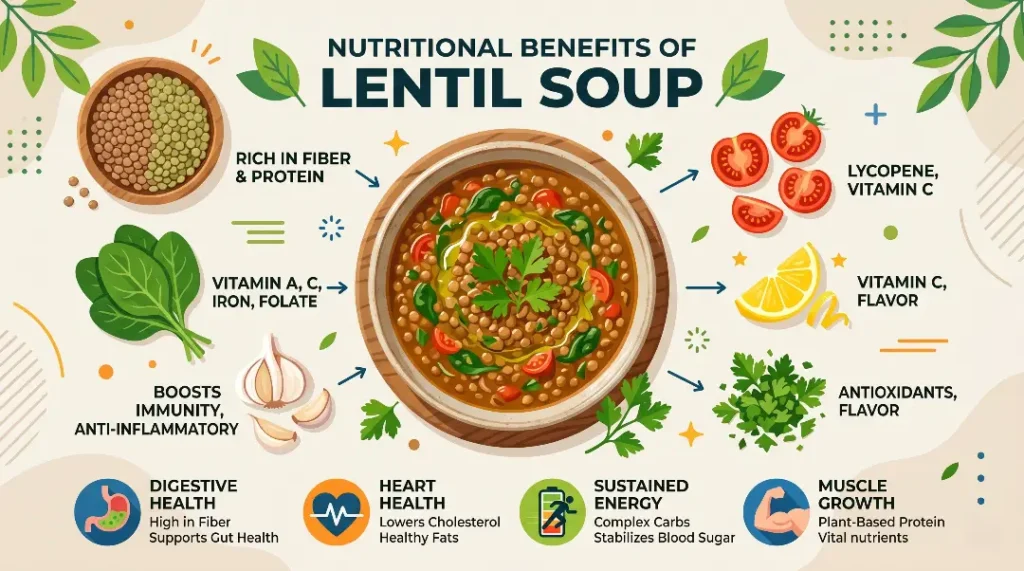
One of the biggest reasons people turn to lentil soup is because it is genuinely good for you. This is not just comfort food. It is food that actively supports your health in multiple ways.
High in Plant-Based Protein
One cup of cooked lentils provides approximately 18 grams of protein, making lentil soup an excellent choice for vegetarians, vegans, and anyone looking to reduce their meat consumption without sacrificing nutrition. The protein in lentils supports muscle repair, immune function, and keeps hunger at bay for longer periods.
Packed With Dietary Fiber
Lentils are rich in both soluble and insoluble fiber. Soluble fiber helps lower LDL cholesterol and stabilize blood sugar levels, while insoluble fiber promotes healthy digestion and prevents constipation. A single serving of lentil soup can provide a significant portion of your recommended daily fiber intake, which is something most people struggle to get enough of.
Excellent Source of Iron
Iron deficiency is one of the most common nutritional deficiencies globally, especially among women. Lentils are a fantastic plant-based source of iron. Pairing lentil soup with ingredients high in vitamin C, like tomatoes or lemon juice, significantly boosts iron absorption, making the soup even more nutritionally powerful.
Supports Heart Health
The combination of fiber, folate, and potassium in lentils makes lentil soup particularly heart-friendly. Folate helps lower homocysteine levels in the blood, a key risk factor for cardiovascular disease, while potassium helps regulate blood pressure. Regular consumption of legumes like lentils has been linked to a reduced risk of heart disease in numerous studies.
Great for Blood Sugar Management
Lentils have a low glycemic index, meaning they cause a slow, steady rise in blood sugar rather than a sharp spike. This makes lentil soup a smart choice for people managing or trying to prevent type 2 diabetes. The fiber content further slows the absorption of carbohydrates, supporting balanced blood glucose levels throughout the day.
Rich in Essential Vitamins and Minerals
A bowl of lentil soup delivers an impressive array of nutrients including folate, manganese, phosphorus, thiamine, magnesium, and zinc. These micronutrients support everything from bone health and energy metabolism to brain function and immune defense.
Types of Lentils and Which One to Use for Soup
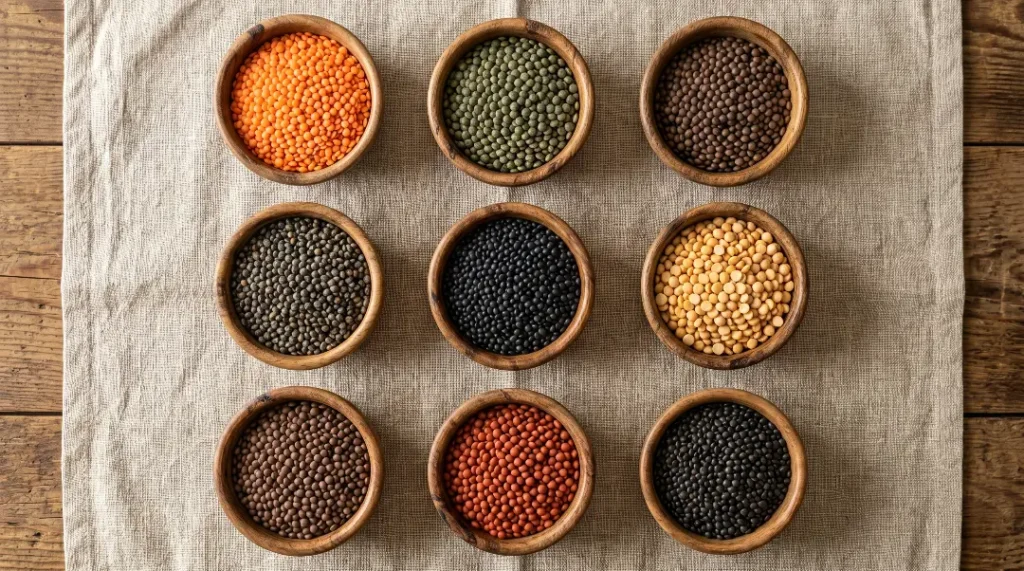
Before you start cooking, it helps to understand the different types of lentils and how they behave in soup.
Red Lentils
Red lentils are the most popular choice for creamy lentil soups. They cook quickly, about 15 to 20 minutes, and break down almost completely during cooking, creating a naturally thick, smooth consistency without any blending required. They have a mild, slightly sweet flavor that pairs beautifully with warm spices like cumin, turmeric, and coriander.
Green Lentils
Green lentils hold their shape well after cooking, making them ideal for chunky, hearty soups where you want distinct texture. They have a slightly peppery, earthy flavor and take about 30 to 40 minutes to cook. French Puy lentils fall into this category and are especially prized for their rich, complex flavor.
Brown Lentils
Brown lentils are the most widely available variety and the go-to choice for classic, everyday lentil soup. They soften nicely during cooking while still retaining some texture, giving you a soup that is hearty but not completely pureed. They have a mild, earthy taste and take about 25 to 30 minutes to cook.
Black Lentils (Beluga Lentils)
Black lentils are small, shiny, and firmer than other varieties. They hold their shape very well and have a rich, slightly nutty flavor. They are less commonly used in traditional lentil soup but make for a visually stunning and texturally interesting bowl when you want something a little different.
Yellow Split Peas and Yellow Lentils
Yellow lentils and yellow split peas are staples in South Asian and Middle Eastern cooking. They cook quickly and break down into a creamy, golden soup similar to red lentils. They are the star ingredient in Indian dal, which is essentially a spiced lentil soup or stew.

Classic Lentil Soup Recipe (Step by Step)
Now let us get into the heart of it. Here is a classic, crowd-pleasing lentil soup recipe that works beautifully as a base and can be adapted to suit your preferences.
Ingredients
For the Soup Base:
- 2 cups green or brown lentils, rinsed and picked over
- 1 large onion, diced
- 4 garlic cloves, minced
- 2 medium carrots, diced
- 2 celery stalks, diced
- 1 can (400g) diced tomatoes or 2 fresh tomatoes, chopped
- 6 cups vegetable or chicken broth
- 2 tablespoons olive oil
- 1 teaspoon ground cumin
- 1 teaspoon ground coriander
- 1/2 teaspoon smoked paprika
- 1/4 teaspoon turmeric
- Salt and black pepper to taste
- Juice of 1 lemon
- Fresh parsley or cilantro for garnish
Instructions
Step 1: Build Your Flavor Base
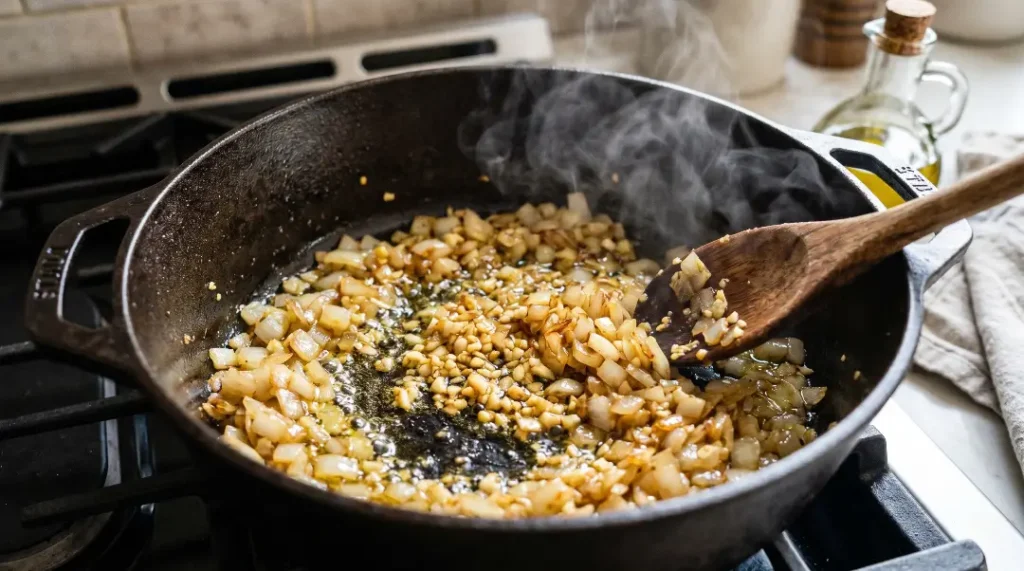
Heat olive oil in a large heavy-bottomed pot or Dutch oven over medium heat. Add the diced onion and cook for about 5 to 7 minutes, stirring occasionally, until the onion becomes soft and translucent. Do not rush this step. Properly caramelized onions are the foundation of a deeply flavorful soup. Add the minced garlic and cook for another 1 to 2 minutes until fragrant.
Step 2: Add the Vegetables and Spices
Add the diced carrots and celery to the pot. Stir everything together and cook for about 3 to 4 minutes until the vegetables begin to soften. Now add your spices: cumin, coriander, smoked paprika, and turmeric. Stir well so the spices coat the vegetables and toast briefly in the oil. This step activates the aromatic compounds in the spices and adds incredible depth to the final soup.
Step 3: Add Lentils, Tomatoes, and Broth
Pour in the rinsed lentils and stir to combine. Add the diced tomatoes and then pour in the broth. Bring everything to a boil over high heat, then reduce to a steady simmer. Season with salt and pepper at this stage.
Step 4: Simmer Until Tender
Let the soup simmer uncovered for about 25 to 35 minutes, stirring occasionally, until the lentils are completely tender. If the soup becomes too thick for your liking, add a splash of water or extra broth to reach your preferred consistency.
Step 5: Adjust and Finish
Once the lentils are tender, squeeze in the fresh lemon juice and give the soup a taste. Adjust the salt, pepper, and spices as needed. If you prefer a smoother texture, use an immersion blender to partially blend the soup, leaving some chunks for texture. Ladle into bowls and top generously with fresh parsley or cilantro.
Serving Suggestions: Serve with warm flatbread, crusty sourdough, or a simple side salad. A drizzle of good olive oil on top right before serving adds an incredible richness.
How to Make Creamy Red Lentil Soup
If you are looking for a silky, luxurious version of lentil soup, red lentil soup is the way to go. Here is a streamlined version that comes together in about 35 minutes.
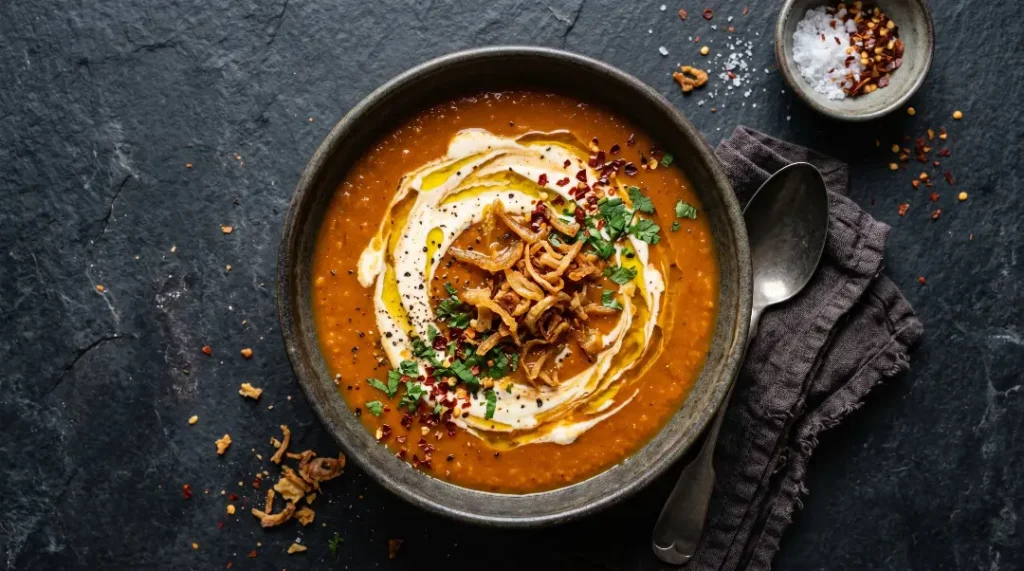
Use 1.5 cups of red lentils, rinse them well and set aside. In a large pot, saute one diced onion in olive oil until golden. Add four cloves of minced garlic, one teaspoon of cumin, one teaspoon of turmeric, and a pinch of cayenne pepper. Stir for one minute. Add the red lentils along with five cups of broth and bring to a boil. Reduce heat and simmer for about 20 minutes, stirring occasionally. Red lentils will naturally dissolve and thicken the broth. Use an immersion blender to blend until completely smooth. Finish with lemon juice, salt, and a swirl of olive oil. Top with a sprinkle of za’atar or crispy fried onions for an elevated presentation.
This version is naturally vegan, gluten-free, and insanely satisfying.
Regional Variations of Lentil Soup Around the World
One of the most beautiful things about lentil soup is how many different cultures have put their own stamp on it. Here is a tour of some of the most beloved regional versions.
Turkish Mercimek Corbasi (Red Lentil Soup)
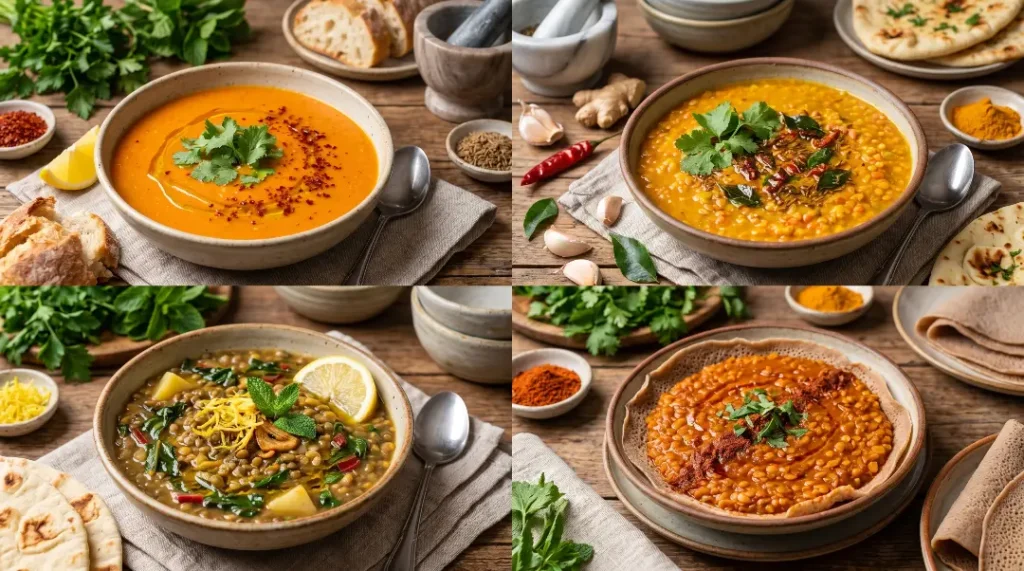
Turkish red lentil soup, known as mercimek corbasi, is one of the most iconic versions in the world. It is a smooth, velvety soup seasoned with cumin, paprika, and dried mint, finished with a classic Turkish tempering of butter sizzled with red pepper flakes and dried mint drizzled right over the top. It is traditionally served with a squeeze of lemon and a slice of crusty bread. You will find it in almost every home and restaurant across Turkey.
Egyptian Shorbat Adas
Egypt’s version of lentil soup uses red or yellow lentils and is spiced with cumin and coriander. It is often served with a side of crispy fried onion strips and a wedge of lemon. The Egyptian version tends to be slightly thinner than the Turkish version and has a distinctive earthy depth from the cumin.
Indian Masoor Dal
In Indian cooking, red lentil soup is called masoor dal. It is flavored with a tempering (called tadka) of mustard seeds, cumin seeds, onions, garlic, ginger, and tomatoes in ghee or oil. The result is a fragrant, spiced, and deeply savory soup that is eaten alongside steamed rice or roti. Indian dal is both a daily staple and a celebration dish, depending on how elaborate you make the tempering.
Lebanese Adas Bil Hamod
This Lebanese lentil soup is made with green or brown lentils and is notable for its bright, lemony flavor. It often includes Swiss chard or spinach stirred in near the end of cooking, adding a welcome freshness and nutritional boost. The generous amount of lemon juice gives this version a wonderfully tangy character that sets it apart from other styles.
French Lentil Soup (Soupe aux Lentilles)
French lentil soup is typically made with Puy lentils, a small, dark green lentil grown in the volcanic soils of the Auvergne region of France. Puy lentils are considered the finest lentil variety in the world due to their exceptional flavor, and they are protected by an AOC designation. The French version often includes lardons (small cubes of bacon or cured pork), thyme, bay leaves, and sometimes a splash of red wine for depth.
Ethiopian Misir Wot
In Ethiopia, red lentil soup is transformed into a fiery, deeply spiced stew called misir wot. The defining flavoring is berbere, a complex Ethiopian spice blend that includes chili, fenugreek, coriander, cardamom, black pepper, and more. The result is a bold, intensely flavorful dish that is scooped up with injera, a spongy sourdough flatbread. It is one of the most popular dishes in Ethiopian cuisine and a must-try for anyone who loves bold flavors.
Tips and Tricks for the Best Lentil Soup Every Time
Making lentil soup is genuinely simple, but a few smart techniques can make a big difference in the final result.
Always Rinse Your Lentils
Before cooking, rinse your lentils in cold water and pick through them to remove any tiny pebbles or debris. This takes less than two minutes and ensures a cleaner tasting soup.
Toast Your Spices
Adding your spices directly to the hot oil before adding liquid allows them to bloom and release their aromatic oils. This simple step adds noticeably more depth and fragrance to your soup compared to just stirring spices into the broth.
Do Not Skip the Acid
A squeeze of fresh lemon juice or a splash of apple cider vinegar added right at the end of cooking brightens the entire soup. Acid balances the earthiness of lentils and brings all the flavors into sharper focus. Do not skip this step; it truly transforms the dish.
Build Layers of Flavor
Start with a good mirepoix (onion, carrot, celery) and take the time to soften and caramelize those vegetables before adding anything else. Layering flavors step by step results in a much more complex and satisfying soup than simply throwing everything in the pot at once.
Finish With Good Olive Oil
A drizzle of high-quality extra virgin olive oil right before serving adds a beautiful richness and silky mouthfeel to the soup. It also gives the bowl a lovely sheen that makes it look as good as it tastes.
Season Throughout the Process
Season your soup at multiple stages: when you add the vegetables, when you add the broth, and again at the end. Seasoning only at the end often leads to a flat-tasting soup where the salt sits on the surface rather than being integrated into the dish.

How to Make Lentil Soup in a Slow Cooker or Instant Pot
Slow Cooker Method
Lentil soup is an excellent candidate for the slow cooker. Simply saute your onions, garlic, and spices in a pan on the stovetop first to build flavor, then transfer everything to the slow cooker along with the rinsed lentils, vegetables, tomatoes, and broth. Cook on low for 6 to 8 hours or on high for 3 to 4 hours. Finish with lemon juice and fresh herbs before serving. The long, slow cook gives the soup an incredibly developed flavor.
Instant Pot Method
For a faster option, the Instant Pot makes incredible lentil soup in a fraction of the time. Use the saute function to cook your onions, garlic, and spices first. Then add the remaining ingredients, seal the lid, and cook on high pressure for 15 minutes. Allow a natural pressure release for 10 minutes before manually releasing any remaining pressure. Finish with lemon juice, adjust seasoning, and serve.
The Instant Pot method is great for busy weeknights when you need a nutritious, hearty meal on the table in under 30 minutes.

How to Store and Reheat Lentil Soup
Lentil soup is an excellent meal prep option because it stores beautifully and actually tastes better the next day as the flavors continue to develop.
Refrigerating
Allow the soup to cool to room temperature before transferring it to airtight containers. It will keep in the refrigerator for up to 5 days. Note that lentil soup tends to thicken significantly as it cools. When reheating, simply add a splash of water or broth to loosen it back to your desired consistency and stir well over medium heat.
Freezing
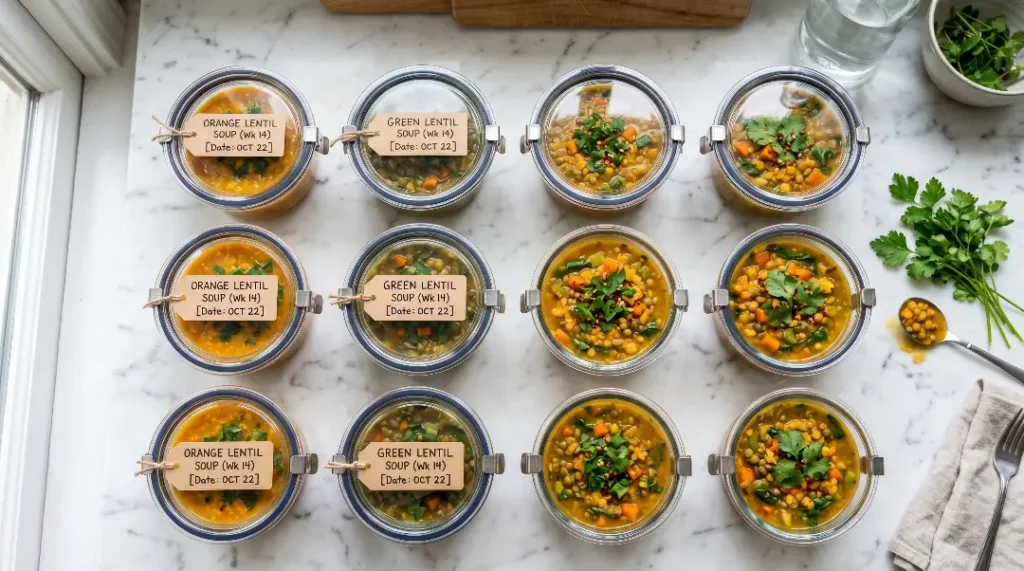
Lentil soup freezes exceptionally well. Portion it into freezer-safe containers or resealable bags, leaving a little space for expansion, and freeze for up to 3 months. Thaw overnight in the refrigerator or reheat directly from frozen over low heat on the stovetop, adding extra liquid as needed.
This makes lentil soup a fantastic option for batch cooking. Make a large pot on Sunday, store portions in the freezer, and you have nutritious, homemade meals ready to go on busy weekdays.
Lentil Soup Variations and Add-Ins to Try
Once you have mastered the basic recipe, there are countless ways to vary it and keep things interesting.
Add Greens: Stir in a few handfuls of baby spinach, kale, or Swiss chard during the last few minutes of cooking. The greens wilt quickly and add color, nutrition, and a slight earthiness to the soup.
Add Coconut Milk: For a creamy, slightly sweet variation inspired by South Asian and Caribbean cooking, stir in half a can of full-fat coconut milk near the end of cooking. This is especially good with red lentils and warm spices like turmeric, ginger, and curry powder.
Add Sausage or Chorizo: For a heartier, meat-based version, slice and brown Spanish chorizo or Italian sausage in the pot before adding your vegetables. The rendered fat adds incredible smoky, savory depth to the broth.
Add Roasted Tomatoes: Instead of canned tomatoes, roast fresh tomatoes in the oven with olive oil, garlic, and a pinch of sugar until caramelized before adding them to the pot. The concentrated, slightly sweet flavor of roasted tomatoes takes the soup to another level.
Add Harissa: Stir a tablespoon or two of harissa paste into the soup for a bold, North African-inspired version with a beautiful red color and smoky heat.
Add Pasta or Rice: For a truly filling meal, stir a small amount of short pasta, rice, or orzo into the soup during the last 10 minutes of cooking. This transforms the soup into something closer to a stew and is a great way to stretch the recipe to feed more people.
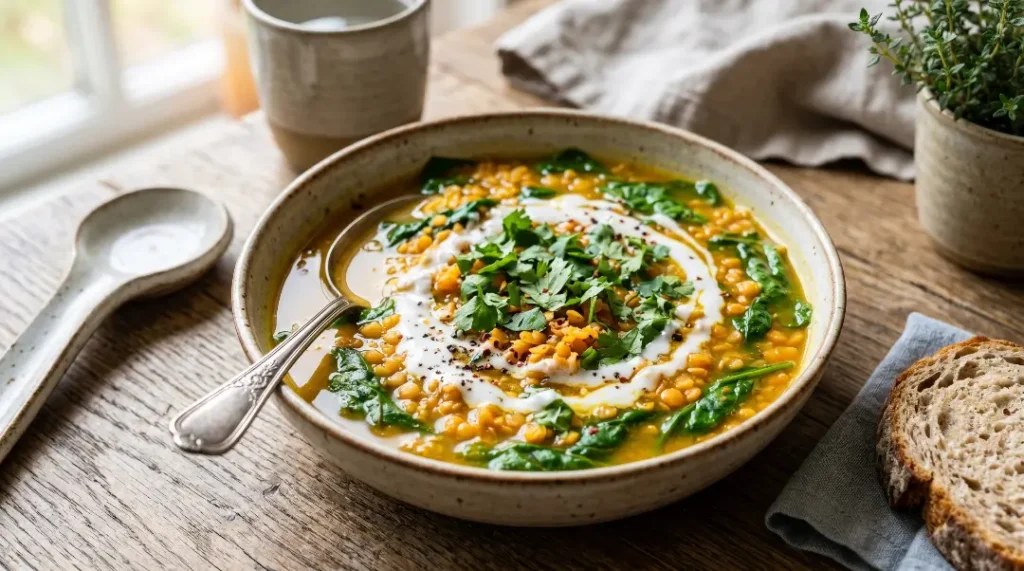
What to Serve With Lentil Soup
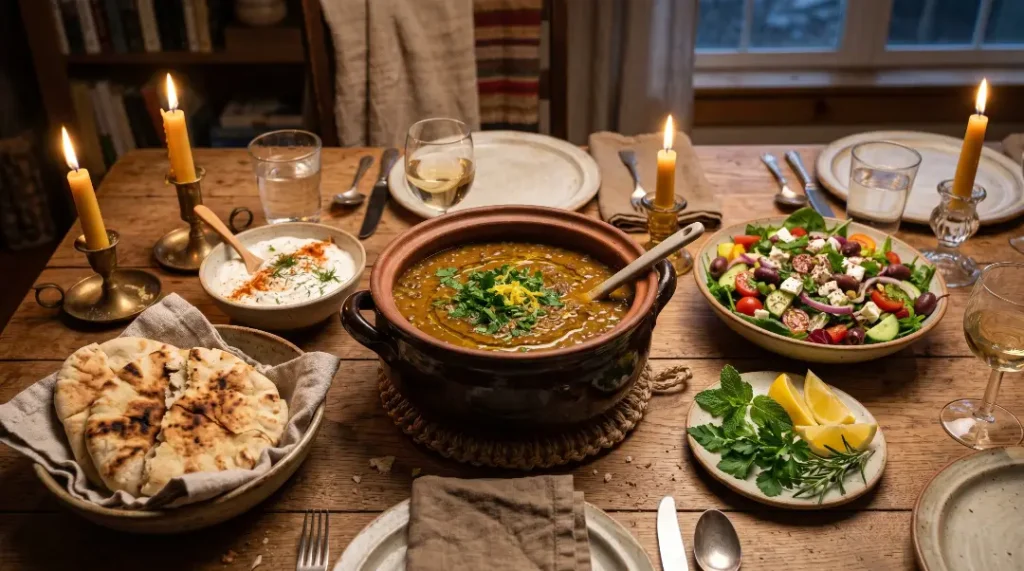
While lentil soup is completely satisfying on its own, a few well-chosen accompaniments turn it into a proper meal.
Crusty Bread: Nothing pairs better with a thick bowl of lentil soup than a good slice of crusty sourdough or a warm pita. Use the bread to mop up every last drop of the delicious broth.
Simple Green Salad: A crisp salad dressed with lemon vinaigrette cuts through the richness of the soup and adds a refreshing contrast.
Rice or Flatbread: In Middle Eastern and South Asian tradition, lentil soup is often served alongside steamed basmati rice or soft flatbreads like naan, chapati, or lavash.
Yogurt: A dollop of plain Greek yogurt or a spoonful of labneh (strained yogurt) on top of the soup adds a cool, tangy creaminess that complements the earthy warmth of the spices beautifully.
Crispy Croutons: Make quick homemade croutons by tossing cubed bread with olive oil, garlic powder, and salt, then toasting in the oven at 200°C until golden. Scatter them over the soup just before serving for a satisfying crunch.
Common Mistakes to Avoid When Making Lentil Soup
Even though lentil soup is a forgiving recipe, a few common pitfalls are worth knowing about.
Not rinsing the lentils: Skipping the rinse leaves behind surface starch and any impurities, which can make the soup taste slightly muddy. Always rinse until the water runs clear.
Adding salt too early with older lentils: If you are cooking with lentils that have been sitting in your pantry for a very long time, adding salt at the very beginning can sometimes keep them from softening properly. With fresh lentils this is usually not an issue, but if your lentils are taking longer than expected to cook, hold off on the salt until they are nearly tender.
Overcooking the lentils: While this is less of a problem for soups where you want a creamy texture, for chunky soups using green or brown lentils, overcooking turns them to mush. Keep an eye on them and test for doneness regularly from the 25-minute mark.
Under-seasoning: Lentils need a confident hand with salt and spices. Taste as you go and do not be shy about adjusting the seasoning at the end. A final squeeze of lemon and a pinch of salt can completely transform a flat-tasting pot of soup.
Frequently Asked Questions About Lentil Soup
Q) Can I make lentil soup without oil? Yes, absolutely. You can saute the onions and garlic in a small amount of water or broth instead of oil. The soup will be slightly less rich but still very flavorful and nutritious. This is a great option if you are following a low-fat or oil-free diet.
Q) Is lentil soup gluten-free? Lentils themselves are naturally gluten-free. However, some commercial broths may contain gluten, so check the label if you are cooking for someone with celiac disease or gluten sensitivity. Using a certified gluten-free broth keeps the whole soup safely gluten-free.
Q) Can I use canned lentils for lentil soup? Yes, canned or pre-cooked lentils work as a time-saving shortcut. Because they are already cooked, you only need to simmer the soup for about 10 to 15 minutes after adding them, just long enough for the flavors to come together. Drain and rinse canned lentils before using them.
Q) Why does my lentil soup taste bland? Bland lentil soup usually comes down to three things: not enough salt, not enough acid, or under-spiced broth. Taste the soup and add more salt gradually. Squeeze in extra lemon juice. If the spice level is low, add a pinch more cumin or paprika. A drizzle of good olive oil at the end also makes a big difference.
Q) How do I make lentil soup thicker? If you want a thicker soup, simply blend a portion of it using an immersion blender, or remove a cup of cooked lentils, mash them with a fork, and stir the paste back into the pot. Both methods thicken the soup naturally without any added starch or cream.
Final Thoughts
There is something deeply satisfying about a bowl of lentil soup. It is humble and wholesome, filling and flavorful, budget-friendly and nourishing all at once. Whether you are drawn to the silky smoothness of Turkish red lentil soup, the spiced complexity of Indian dal, the lemony brightness of Lebanese adas bil hamod, or simply a classic pot of green lentil soup loaded with vegetables, this dish has a version for everyone.
The best thing about lentil soup is that it welcomes improvisation. You can swap in whatever vegetables you have on hand, adjust the spices to your taste, and make it as simple or as elaborate as the occasion calls for. It is the kind of recipe that rewards you every single time you make it, and it only gets better with each bowl.
So the next time you are looking for something warming, satisfying, and genuinely good for you, reach for a bag of lentils. You really cannot go wrong.
Happy cooking, and enjoy every spoonful!