How to Lower Blood Pressure Naturally: 7 Proven Principles That Work
High blood pressure is one of the most common health issues today. Millions rely on daily medications, often stacking two or three drugs, along with a growing list of side effects. The good news? There are effective, natural ways to bring blood pressure down—without losing the bigger picture of heart and stroke prevention.
This guide breaks down seven proven principles to lower blood pressure naturally, followed by three common myths you can safely ignore. The goal isn’t reckless medication avoidance. It’s addressing the root causes so your body can work with you, not against you.
1. Control Chronically High Insulin Levels
One of the strongest drivers of high blood pressure is chronically elevated insulin.
When insulin stays high:
- The body retains excess water
- Blood volume increases
- Blood pressure rises
- Blood vessels become inflamed and damaged
Lowering insulin helps reduce fluid retention and protects tiny arteries that feed the heart and brain.
What actually works
A low-carb, high–healthy-fat way of eating consistently lowers insulin, reduces inflammation, supports weight loss, and improves blood pressure. Diets that focus only on cutting salt and fat fail because they don’t address insulin at all.
2. Eliminate Chronic Inflammation
Inflammation keeps blood pressure elevated and accelerates damage throughout the body—especially in blood vessels.
Common inflammatory triggers:
- Sugar
- Refined grains
- Processed foods
- Industrial vegetable oils
When these are removed, the body often heals faster than expected. Lower inflammation means more flexible arteries, less fluid retention, and better blood pressure control.
3. Get Enough Magnesium
Magnesium is a quiet powerhouse for heart health.
Low magnesium levels are strongly linked to:
- Higher blood pressure
- Poor vascular relaxation
- Muscle and nerve dysfunction
Many people are deficient without realizing it.
Natural sources include:
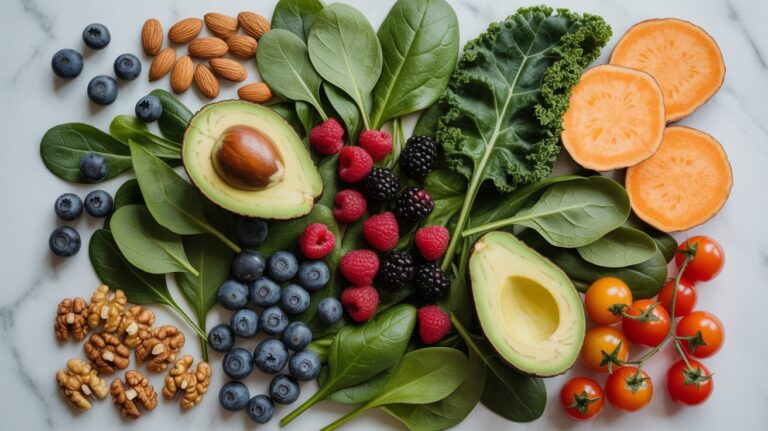
- Dark leafy greens
- Meat and seafood
- Nuts and seeds
Adequate magnesium helps blood vessels relax and keeps pressure lower—naturally.
4. Optimize Potassium Intake
Potassium balances sodium and supports proper muscle and nerve function, including the heart.
When potassium is low:
- Blood pressure trends upward
- Vascular tone worsens
Whole, unprocessed foods—especially vegetables and quality protein—are the best sources. Supplements aren’t usually necessary when diet is dialed in.
5. Reduce Chronic Stress
Not all stress is bad. Learning a skill or starting something new can be healthy. The real issue is daily, unrelenting stress.
Chronic stress keeps:
- Cortisol high
- Adrenaline elevated
- Blood pressure persistently raised
Managing stress isn’t optional. It’s foundational. Breathing practices, boundaries, physical movement, and downtime all matter.
6. Prioritize Quality Sleep
Poor sleep is one of the most overlooked causes of high blood pressure.
Sleep problems raise:
- Cortisol
- Insulin
- Adrenaline
Conditions like sleep apnea are major contributors to secondary hypertension, especially in people who are overweight or inflamed.
Why sleep matters more with age
As you get older, deep sleep becomes harder to maintain. That makes consistent sleep hygiene critical if you want healthy blood pressure.
7. Rethink Alcohol
Alcohol tolerance drops as insulin resistance, inflammation, and stress rise.
If blood pressure is already high:
- Alcohol often makes it worse
- Medications interact poorly with it
Removing alcohol—even temporarily—can significantly lower blood pressure and may reduce the need for medication later.
Important Safety Note
If you’re currently taking blood pressure medication:
- Do not stop abruptly
- Implement these principles first
- Track your blood pressure at home
- Work with your doctor as numbers improve
Natural improvement is powerful—but it should be done responsibly.
How to Measure Blood Pressure Correctly
- Use an upper-arm cuff, not a wrist device
- Measure twice daily
- Be calm, rested, and pain-free
- Avoid checking when angry, rushed, or exhausted
One rushed reading at a clinic is not a diagnosis. Consistent home readings matter far more.
3 Blood Pressure Myths You Can Ignore
Myth 1: Salt Causes High Blood Pressure
For the vast majority of people, salt is not the problem. Once insulin and inflammation are controlled, salt has little to no meaningful impact on blood pressure.
Myth 2: Caffeine Causes Hypertension
Coffee or tea may cause a short-term rise, but that’s not hypertension. Long-term data shows no meaningful blood pressure risk from caffeine.
Myth 3: Smoking Raises Blood Pressure
Smoking is harmful in countless ways—but sustained high blood pressure isn’t one of them. That said, quitting is still strongly recommended for overall health.
Final Thoughts
If you want to lower blood pressure naturally, focus on causes—not symptoms.
Fix insulin.
Reduce inflammation.
Sleep better.
Manage stress.
Fuel your body with the right minerals.
Be mindful with alcohol.
When these foundations are in place, blood pressure often improves dramatically—and medications may no longer be necessary under medical guidance.
Small changes, applied consistently, can make a life-changing difference.