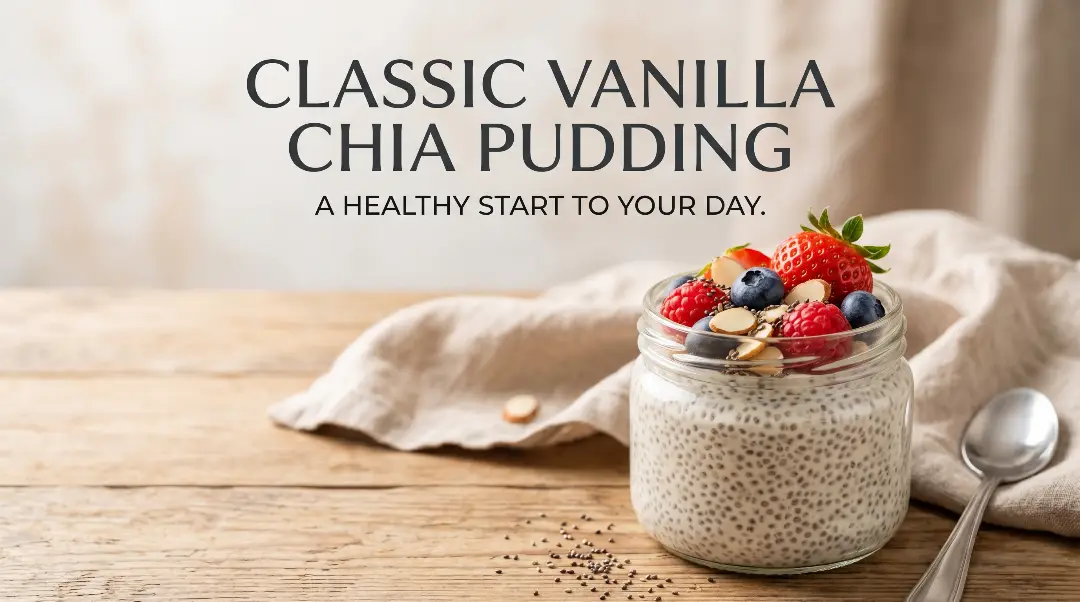
Classic Vanilla Chia Pudding: The Easiest Make-Ahead Breakfast You Have Been Missing
If you have been searching for a breakfast that practically makes itself while you sleep, Classic Vanilla Chia Pudding is exactly what you need. This wonderfully simple dish has taken over breakfast tables across the world for very good reason. It is creamy, naturally sweet, satisfying, and requires almost zero effort in the kitchen. Whether you are a busy parent, a dedicated meal-prepper, or someone who simply wants a wholesome morning bite without standing over a stove, this pudding fits beautifully into your daily routine.
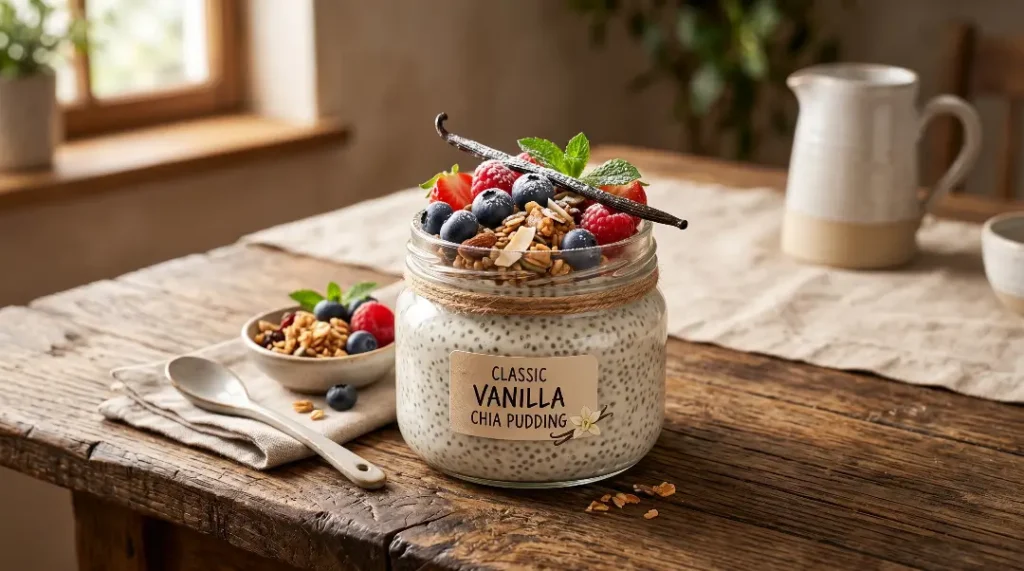
Classic Vanilla Chia Pudding delivers an impressive combination of plant-based protein, omega-3 fatty acids, fiber, and essential minerals in every single spoonful. The beauty of this recipe lies in its simplicity. You stir together a handful of ingredients, pop the jar in the fridge before bedtime, and wake up to a thick, creamy, dessert-like breakfast that genuinely nourishes your body from the inside out.
In this guide, you will get everything you need to know: the science behind chia seeds, the exact ingredients and measurements, a foolproof step-by-step method, expert tips for the perfect texture, fun creative variations, common mistakes to avoid, and clear answers to the questions people ask most often. By the time you finish reading, you will be more than ready to make the best bowl of vanilla chia pudding of your life.
What Is Classic Vanilla Chia Pudding?
Classic Vanilla Chia Pudding is a no-cook dish made by soaking chia seeds in liquid, typically dairy milk or a plant-based alternative, combined with pure vanilla extract and a natural sweetener of your choice. As the chia seeds absorb the liquid over several hours, they swell up and form a thick gel-like texture. The result is a smooth, pudding-style breakfast that looks, feels, and honestly tastes like a proper dessert, except it is packed with nutrition.
The vanilla element in this classic version is what elevates it beyond a basic chia preparation. Pure vanilla extract adds a warm, aromatic depth that transforms a simple mixture into something genuinely comforting and indulgent. Paired with a touch of maple syrup or honey, the flavor becomes rounded and satisfying without being overly sweet.
Chia pudding gained widespread popularity in the early 2010s as plant-based eating moved into the mainstream, and today it sits comfortably alongside overnight oats and smoothie bowls as a cornerstone of modern make-ahead breakfast culture. What keeps it enduringly popular is that, unlike many health foods, it does not ask you to compromise on taste or enjoyment.
Why Chia Seeds Are Genuinely Special
Before getting into the recipe itself, it is worth understanding exactly why chia seeds deserve a permanent spot in your pantry. These tiny black and white seeds come from the plant Salvia hispanica, a member of the mint family native to central and southern Mexico. Ancient Mesoamerican civilizations, including the Aztecs and Mayans, relied on chia seeds as a core energy source, and modern nutritional science strongly backs up their longstanding reputation.
Here is what makes chia seeds nutritionally outstanding:
Rich in omega-3 fatty acids: Chia seeds are one of the richest plant-based sources of ALA, a type of omega-3 fatty acid that supports heart health, brain function, and reduces inflammation throughout the body.
Excellent source of dietary fiber: Just one ounce of chia seeds contains approximately 10 grams of fiber. This fiber feeds beneficial gut bacteria, keeps digestion moving smoothly, and helps you feel full for longer periods after eating.
Surprisingly high in protein: For a plant-based food, chia seeds contain a respectable amount of complete protein, making them a valuable addition for vegetarians and vegans who want to meet their protein needs through whole foods.
Loaded with essential minerals: Chia seeds are rich in calcium, phosphorus, magnesium, and manganese. In fact, a single serving of chia seeds provides more calcium gram for gram than most dairy products, making them a brilliant option for those who avoid dairy.
Natural gelling ability: The outer layer of chia seeds is coated in soluble fiber that absorbs liquid and forms a gel. This is the property that makes chia pudding possible, and it also helps slow the absorption of sugars into the bloodstream, supporting stable blood sugar levels.
Beyond their nutritional profile, chia seeds are shelf-stable for up to two years when stored properly, making them a convenient pantry staple that is always ready when you need it.
Ingredients You Will Need
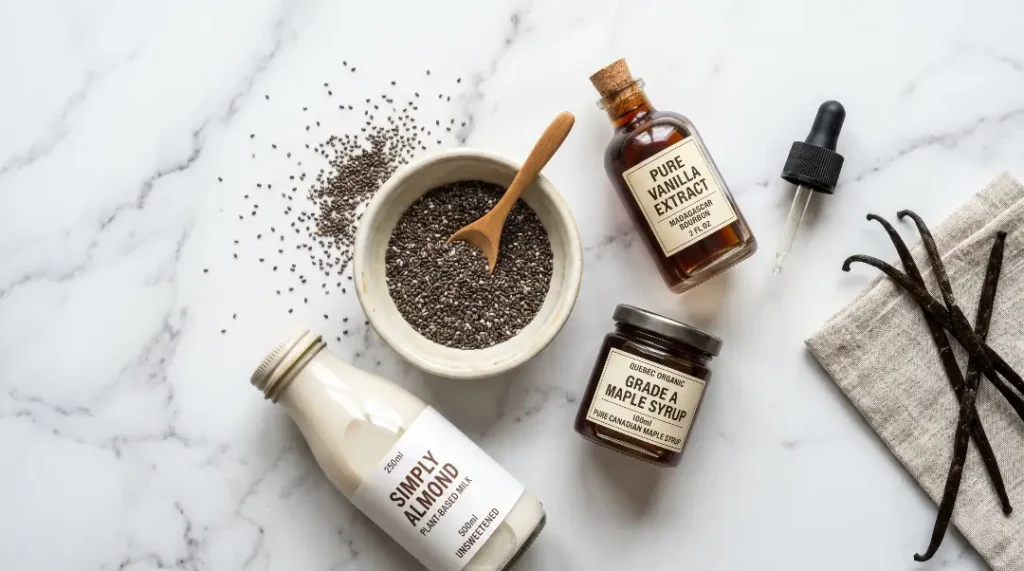
One of the greatest things about Classic Vanilla Chia Pudding is how short the ingredient list is. You do not need a long shopping list or specialty items. Here is everything required for two generous servings:
The Core Ingredients:
Chia seeds (4 tablespoons): Use black or white chia seeds. Both work identically in terms of texture and nutrition. White chia seeds simply give a slightly cleaner appearance in the finished pudding if aesthetics matter to you.
Milk of your choice (1 cup or 240ml): This is where you have full creative control. Whole dairy milk produces the richest, creamiest result. Oat milk gives a naturally sweet, mellow flavor. Almond milk creates a lighter pudding with a subtle nutty note. Coconut milk, particularly the full-fat canned variety, produces an ultra-thick and luxuriously creamy pudding that feels almost like a mousse.
Pure vanilla extract (1 teaspoon): Please do not use imitation vanilla flavoring here. Pure vanilla extract makes a noticeable difference in the final taste. The natural compounds in real vanilla create a depth and warmth that artificial versions simply cannot replicate.
Sweetener (1 to 2 tablespoons): Maple syrup is the most popular choice and pairs beautifully with vanilla. Honey works equally well and adds a floral note. For a sugar-free version, a few drops of liquid stevia or monk fruit sweetener are effective alternatives.
A pinch of salt: This tiny addition might seem unnecessary, but a small pinch of fine sea salt rounds out all the flavors and prevents the pudding from tasting flat.
Optional but highly recommended add-ins:
A teaspoon of vanilla bean paste in addition to extract gives you visible vanilla specks throughout the pudding, which looks beautiful and adds even more flavor intensity. A tablespoon of full-fat yogurt stirred in before chilling adds a lovely tangy creaminess to the finished texture.
Step-by-Step Method for the Perfect Pudding
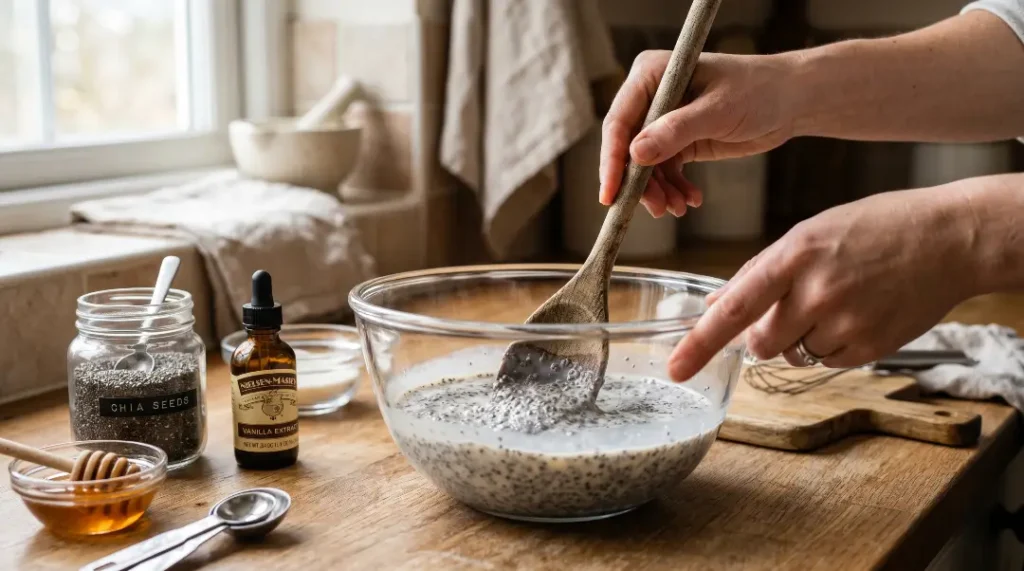
Making Classic Vanilla Chia Pudding is genuinely one of the simplest things you can prepare in a kitchen. Follow these steps carefully and you will get perfect results every single time.
Step 1: Measure and combine your liquids
Pour your chosen milk into a medium-sized mixing bowl or directly into the jar you plan to store the pudding in. Add the vanilla extract, your sweetener of choice, and the pinch of salt. Stir everything together well so the sweetener is fully dissolved into the milk before you add anything else. This ensures even flavor distribution throughout the pudding.
Step 2: Add the chia seeds
Sprinkle the chia seeds into the liquid and stir thoroughly with a whisk or fork for about 30 to 45 seconds. You want to make sure no clumps of dry seeds are sticking together at the bottom of the bowl.
Step 3: The critical first wait
Let the mixture sit at room temperature for 10 to 15 minutes. This is a step many people skip, and it is the reason their pudding sometimes ends up lumpy. After those initial 15 minutes, the seeds will have absorbed enough liquid to become slightly gel-like but not yet set. Give the mixture one more thorough stir. This second stir breaks up any clumps that may have started forming and ensures a smooth, evenly textured final pudding.
Step 4: Cover and refrigerate
Transfer the mixture to your storage container if you were using a mixing bowl, seal it tightly, and place it in the refrigerator. The pudding needs a minimum of 4 hours to set properly. For the best results, prepare it the night before and let it sit overnight, which gives it a full 8 hours to reach an ideal, thick, creamy consistency.
Step 5: Check and adjust
When you take the pudding out of the fridge, give it a stir and check the texture. If it is thicker than you prefer, stir in a splash of additional milk until you reach your desired consistency. If it is not thick enough, it may simply need more time in the fridge, or you can add an extra teaspoon of chia seeds, stir, and wait another hour.
Step 6: Add your toppings and serve
Spoon the pudding into serving bowls or leave it in the jar for a grab-and-go option. Add your toppings right before serving so they stay fresh and textured. Serve immediately and enjoy.
The Ideal Chia-to-Liquid Ratio Explained
Getting the ratio right is the single most important factor in achieving a pudding that is thick and creamy rather than runny and disappointing. The standard ratio that works consistently well for most people is:
3 tablespoons of chia seeds to every 1 cup (240ml) of liquid for a softer pudding
4 tablespoons of chia seeds to every 1 cup (240ml) of liquid for a thicker, more traditional pudding texture
If you are using full-fat coconut milk, you can reduce the chia seeds slightly since the milk itself is thicker. If you are using a very thin milk like rice milk or a diluted nut milk, you may want to add an extra half tablespoon of chia seeds to compensate.
It is always easier to thin a pudding that is too thick than to thicken one that is too runny. When in doubt, lean toward the higher ratio.
Tips for Getting the Texture Exactly Right
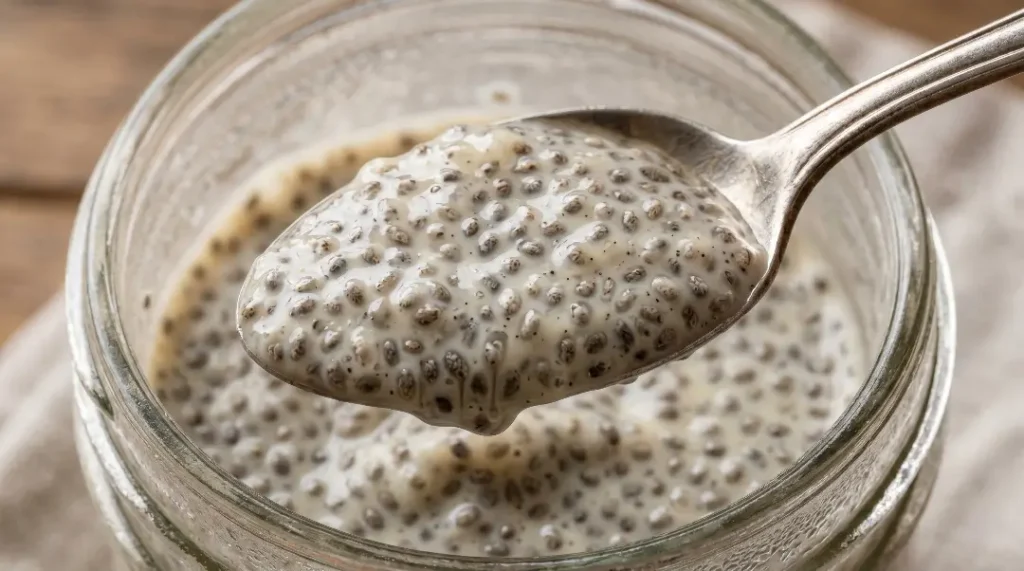
Texture is everything with chia pudding. Here are the most useful tips for consistently achieving the perfect result:
Always do the double stir. Stir once when you first combine the seeds and liquid, then stir again after 15 minutes. This is the single most effective technique for preventing lumpy pudding.
Use room-temperature milk. Cold milk straight from the fridge slows down the gelling process. If you use milk that is at room temperature, the seeds begin absorbing liquid more evenly and the initial texture is smoother.
Cover tightly during chilling. An uncovered or loosely covered bowl allows the top layer of pudding to dry out slightly, creating an uneven texture. Use a tight lid, plastic wrap pressed directly onto the surface, or a beeswax wrap.
Do not rush the chill time. Four hours is the minimum, but overnight is genuinely better. The texture after 8 hours is noticeably smoother and more uniform than after 4 hours.
Blend for an ultra-smooth version. If you prefer a pudding without the characteristic chia seed texture, simply blend the fully set pudding in a blender until smooth. The result is a silky, seed-free pudding that works beautifully as a layered parfait base.
Topping Ideas That Make It Even Better
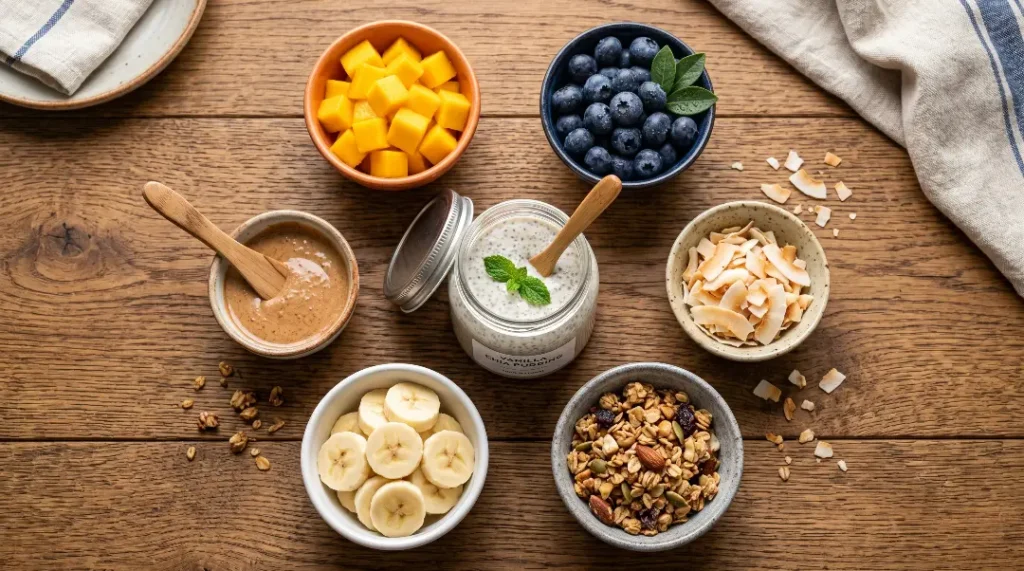
Toppings are where you can make each bowl of Classic Vanilla Chia Pudding feel completely different from the last. Here are some of the best options:
Fresh fruit: Sliced mango, fresh blueberries, strawberries, raspberries, kiwi, or banana all work wonderfully. Their natural acidity balances the creamy sweetness of the pudding.
Toasted coconut flakes: These add a satisfying crunch and a tropical flavor that pairs particularly well with coconut milk-based pudding.
Granola: A generous handful of granola adds a welcome textural contrast. Look for a lightly sweetened variety so it does not overpower the delicate vanilla flavor.
Nut butter: A swirl of almond butter, peanut butter, or tahini adds richness, healthy fats, and a savory counterpoint to the sweetness.
Cacao nibs or dark chocolate chips: For those who want a slightly more indulgent topping, cacao nibs add a pleasant bitterness and satisfying crunch without much added sugar.
A drizzle of honey or extra maple syrup: Sometimes the simplest topping is the most satisfying.
Crushed nuts: Chopped almonds, walnuts, or pistachios add protein, crunch, and visual appeal to the finished bowl.
Creative Variations of the Classic Recipe
Once you have mastered the classic version, there are countless ways to put your own spin on it. Here are some of the most popular and delicious variations:
Coconut Vanilla Chia Pudding Replace all of the milk with full-fat canned coconut milk. The result is extraordinarily thick, rich, and creamy with a tropical undertone that pairs beautifully with mango and toasted coconut toppings.
Vanilla Chai Chia Pudding Add a quarter teaspoon each of ground cinnamon, ground ginger, ground cardamom, and a pinch of black pepper to the base recipe. This warm spiced version is particularly wonderful in cooler months and pairs well with a chai-spiced granola topping.
Chocolate Vanilla Swirl Chia Pudding Make a separate batch of chocolate chia pudding by adding two tablespoons of unsweetened cocoa powder to a second batch of the base. Layer alternating spoonfuls of vanilla and chocolate pudding in a glass jar for a visually stunning and delicious result.
Matcha Vanilla Chia Pudding Whisk one teaspoon of ceremonial-grade matcha powder into the milk before adding the chia seeds. The earthy, slightly bitter matcha complements the sweet vanilla in a genuinely interesting way.
Strawberry Vanilla Chia Pudding Blend fresh or frozen strawberries with the milk before combining with chia seeds and vanilla. This gives the pudding a beautiful pink color and a bright, fruity flavor throughout rather than just on top.
High Protein Vanilla Chia Pudding Stir in one scoop of vanilla protein powder along with an extra two tablespoons of Greek yogurt for a version that works perfectly as a post-workout recovery meal.
How to Store Vanilla Chia Pudding
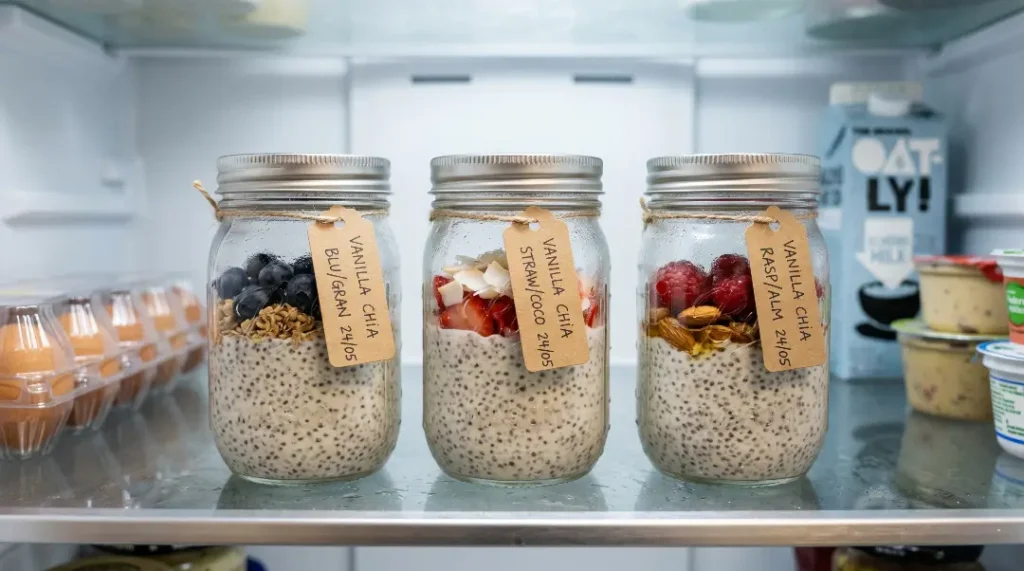
One of the most practical advantages of Classic Vanilla Chia Pudding is how well it stores. Properly prepared pudding keeps beautifully in the refrigerator for up to 5 days when stored in an airtight container.
This makes it an excellent candidate for weekly meal prep. You can prepare four to five jars on a Sunday evening and have a ready-to-eat breakfast or snack waiting for you every day of the working week. Simply add your toppings fresh each morning so they retain their texture and flavor.
A few storage guidelines worth following:
Use glass containers whenever possible. Glass jars seal more effectively than plastic containers and do not absorb flavors or odors from the fridge. Wide-mouth mason jars in 8-ounce or 16-ounce sizes are ideal.
Store toppings separately. If you add fruit or granola to the pudding before storing, they will become soggy by the next day. Keep toppings in a separate small container and add them just before eating.
Do not freeze chia pudding. Freezing changes the texture of the gel significantly. When thawed, the pudding becomes watery and grainy rather than smooth and creamy. It is best enjoyed fresh from the refrigerator.
Label your jars. If you are making multiple flavors for the week, label each jar with the flavor and date prepared. This keeps your fridge organized and ensures nothing gets forgotten.
Common Mistakes and How to Fix Them
Even with a recipe this simple, a few things can go wrong. Here is how to handle the most common problems:
The pudding is too runny: This almost always means either insufficient chia seeds or not enough chilling time. Add an extra tablespoon of chia seeds, stir well, and return the pudding to the fridge for at least two more hours.
The pudding is too thick: Simply stir in additional milk a tablespoon at a time until you reach the consistency you prefer. This is easy to fix and takes only a moment.
The pudding is lumpy: This happens when the double-stir technique is skipped. For lumpy pudding that is already set, transfer it to a blender and blitz until smooth. To prevent it next time, always do that second stir after the first 15 minutes.
The pudding tastes bland: Vanilla pudding can taste flat if the vanilla extract is low quality or if the salt is omitted. Try adding a tiny extra pinch of salt and a few more drops of good quality pure vanilla extract. Taste again before adding more sweetener, as salt often does the job on its own.
The seeds have not gelled properly: Old chia seeds that have been stored poorly sometimes lose some of their gelling ability. Check the freshness of your seeds. If they smell musty or stale, it is time for a fresh bag.
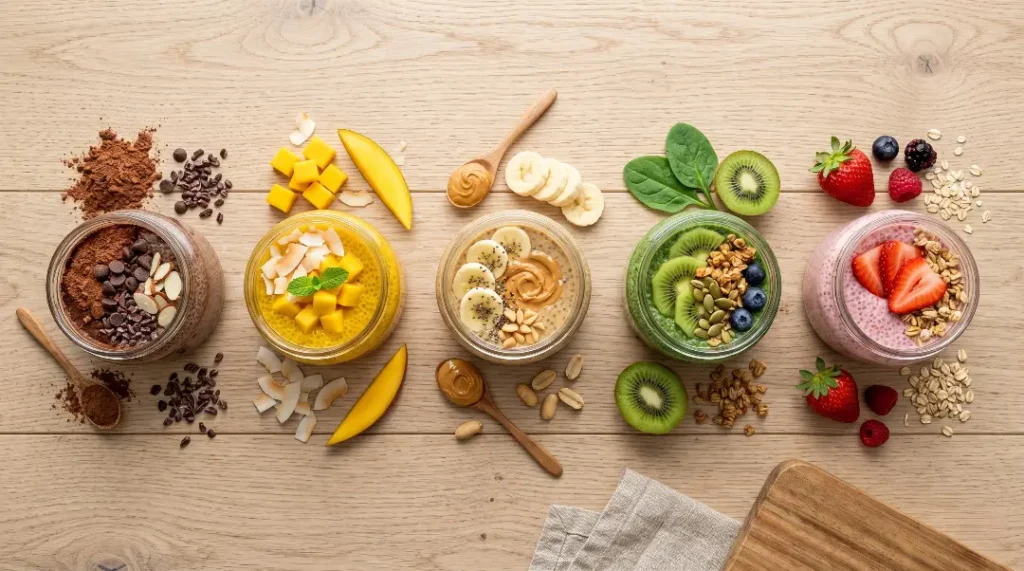
6 More Ways To Make Chia Pudding
Once you have the base recipe mastered, there are so many ways to customize Strawberry Banana Chia Pudding to suit your taste, dietary needs, or whatever ingredients you have available.
1- Classic Vanilla Chia Pudding
Start with the base recipe using milk of your choice and chia seeds. Add a splash of vanilla extract for a simple, lightly sweet flavor. Let it chill until thick and creamy. This version is smooth, minimal, and works well with any toppings like fruits or nuts.
2- Chocolate Chia Pudding
Mix one tablespoon of unsweetened cocoa powder or raw cacao powder into the chia base before refrigerating. It creates a rich, chocolatey flavor with a slightly earthy depth. This version feels indulgent while still being healthy.
3- Mango Coconut Chia Pudding
Use full-fat coconut milk as your base and add fresh or frozen mango chunks. Once set, top with toasted coconut flakes or even a bit of pineapple. It gives a tropical, smoothie-like flavor that’s refreshing and perfect for warm days.
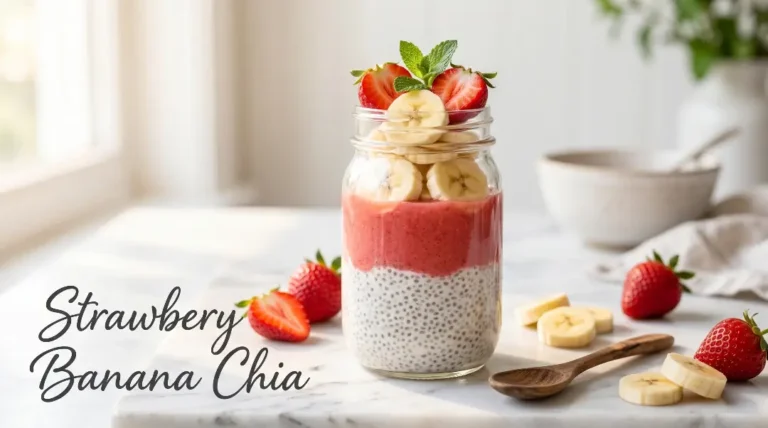
4- Strawberry Banana Chia Pudding
Layer blended strawberries and mashed banana into your chia pudding base. The natural sweetness of banana pairs perfectly with the slight tang of strawberries, creating a balanced, fruity flavor.
5- Matcha Green Tea Chia Pudding
Whisk a small amount of matcha powder into the milk before mixing in chia seeds. This adds a subtle earthy flavor and a natural energy boost. You can pair it with fruit layers like banana or strawberries for contrast.
6- Peanut Butter and Honey Chia Pudding
Stir one tablespoon of natural peanut butter into the chia mixture along with a drizzle of honey. This combo is rich, nutty, and naturally sweet. It’s more filling and works great as a post-workout snack.
Nutritional Overview Per Serving
The exact nutritional content varies based on the milk and sweetener you use, but here is a general breakdown for a standard serving made with unsweetened almond milk and maple syrup:
Calories: Approximately 180 to 220 per serving Protein: 5 to 6 grams Fat: 8 to 10 grams (mostly healthy unsaturated fats) Carbohydrates: 20 to 25 grams Fiber: 9 to 11 grams Calcium: 15 to 20 percent of daily recommended intake Iron: 10 to 12 percent of daily recommended intake Omega-3 fatty acids: 2 to 3 grams
Using full-fat coconut milk will significantly increase the calorie and fat content but will also make the pudding richer and more satiating. Using whole dairy milk increases the protein and calcium content meaningfully.
Frequently Asked Questions
Q) How long does Classic Vanilla Chia Pudding need to set? A minimum of 4 hours in the refrigerator is needed for the pudding to set properly. Overnight, which is typically 7 to 8 hours, produces the best texture and is what most people who make this regularly prefer.
Q) Can I use water instead of milk? Technically yes, chia seeds will gel in water. However, the resulting pudding will be significantly less creamy and flavorful. If you are dairy-free and nut-free, oat milk or coconut water are much better choices than plain water for maintaining a pleasant taste.
Q) Can I make this recipe without a sweetener? Absolutely. The pudding is still enjoyable without any added sweetener, particularly if you plan to top it with naturally sweet fruits like mango or banana. The vanilla extract alone provides enough flavor to make the pudding pleasant.
Q) How do I know if my chia pudding has gone bad? Fresh chia pudding has a clean, creamy, slightly vanilla-scented smell. If your pudding smells sour or off in any way, or if you notice any discoloration, it is best to discard it. Properly stored pudding kept in a sealed glass jar should remain fresh for up to 5 days.
Q) What is the difference between black and white chia seeds? Nutritionally and functionally, black and white chia seeds are essentially identical. The only real difference is aesthetic. White chia seeds produce a slightly cleaner, paler-colored pudding, while black seeds give a speckled appearance. Both taste the same and gel at the same rate.
Q) Can I warm up chia pudding? While chia pudding is traditionally served cold, it can be warmed gently. Heat it in a small saucepan over low heat, stirring frequently, or in the microwave in 20-second intervals. Warming changes the texture slightly, making it thinner and more porridge-like, which some people actually prefer in winter months.
Q) Why is my chia pudding slimy rather than creamy? A slimy texture is usually the result of using too much liquid relative to the amount of chia seeds. Try increasing the chia-to-liquid ratio slightly on your next batch. The ideal texture should be thick and spoonable rather than loose and wet.
Making Vanilla Chia Pudding Part of Your Weekly Routine
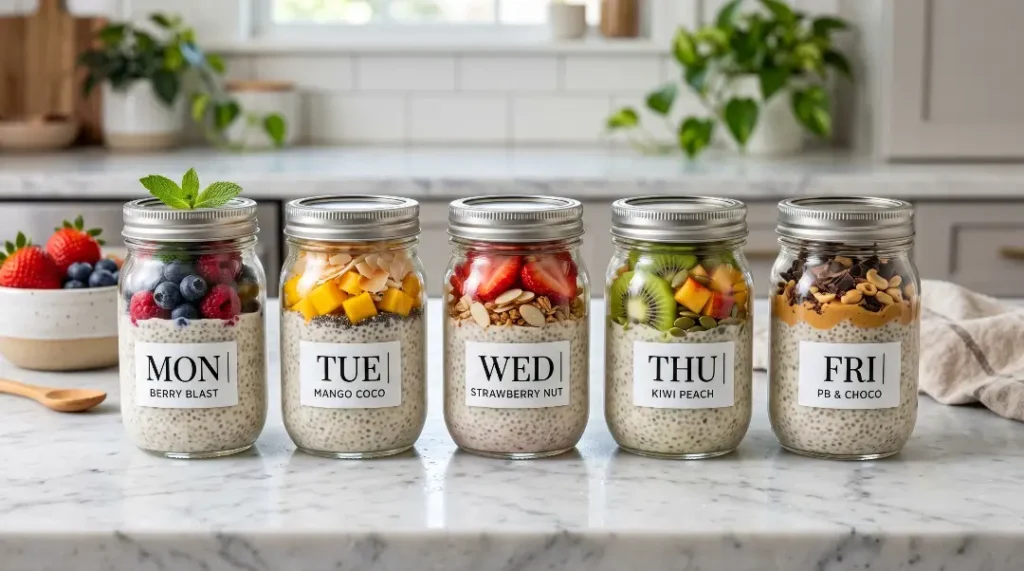
The single best way to consistently enjoy Classic Vanilla Chia Pudding is to build it into your weekly meal prep habit. Spending 15 minutes on a Sunday evening preparing five jars means you have a nutritious, satisfying breakfast ready for every weekday morning with zero morning effort required.
Here is a simple weekly prep approach that many people find works well:
Prepare a large batch using 10 tablespoons of chia seeds and 2 and a half cups of your chosen milk, scaling up the vanilla and sweetener proportionally. Divide the mixture into five jars immediately after the second stir. Label each jar, seal tightly, and refrigerate. Each morning, pull out one jar, add your chosen toppings, and you are done in under two minutes.
Rotating your toppings throughout the week keeps the experience feeling fresh. Monday might be mango and toasted coconut, Tuesday could be almond butter and banana, Wednesday might feature berries and granola, and so on. The base pudding stays the same, but the toppings make each bowl feel distinct.
A Word on Ingredient Quality
Because Classic Vanilla Chia Pudding has so few ingredients, the quality of each one genuinely matters more than it would in a complex, heavily spiced dish. Two upgrades make the biggest difference:
Buy good quality vanilla extract. The price difference between pure vanilla extract and imitation vanilla flavoring is small, but the taste difference is very significant. Pure vanilla extract contains real vanillin compounds along with hundreds of other flavor molecules that give it complexity. Imitation vanilla is simply one synthetic compound and tastes noticeably thin and artificial by comparison.
Use fresh chia seeds. Chia seeds have a surprisingly long shelf life of up to two years when stored in a cool, dry place away from direct light. However, seeds that are approaching or past their best-by date will sometimes struggle to gel properly and can carry a slightly bitter, stale flavor. Buy from a store with good turnover and store your seeds in a sealed container away from heat.
These two small quality considerations alone account for a large portion of the difference between a good bowl of vanilla chia pudding and a truly exceptional one.
Final Thoughts
Classic Vanilla Chia Pudding is one of those rare recipes that is genuinely as good as it sounds. It is fast to prepare, adaptable to nearly any dietary need, packed with real nutritional value, and produces a result that feels far more indulgent than the ingredient list would suggest. The creamy vanilla-scented pudding that emerges from your refrigerator after a night of chilling is one of the most satisfying breakfasts you can keep in regular rotation.
Whether you are making it for yourself on a hectic weekday morning, serving it to family members who are skeptical of healthy food, or using it as a base for more creative layered parfaits, this recipe delivers every single time. Start with the classic version as described here, get comfortable with the process and the ratios, and then branch out into whichever variations catch your attention.
Once you have made it a few times, preparing Classic Vanilla Chia Pudding will take you no more than five minutes of actual work. That five minutes the night before can genuinely change the way your mornings feel. Give it a try tonight, and wake up tomorrow to a breakfast that was waiting for you.