

11 High Fiber Foods That Stabilize Glucose and Support Better Health
11 High Fiber Foods That Stabilize Glucose are one of the most practical ways to improve daily energy, reduce cravings, and support long term health. Many people struggle with sudden hunger, fatigue after meals, and inconsistent energy levels. These issues are often linked to unstable blood sugar rather than lack of food.
When glucose levels rise too quickly and then drop, the body reacts with fatigue and cravings. This cycle repeats throughout the day and affects focus, mood, and overall productivity. Adding fiber rich foods into meals helps slow down how sugar enters the bloodstream. The result is a smoother and more stable energy curve.
Fiber also plays a role in digestion, gut health, and heart function. It supports beneficial bacteria in the gut and helps regulate cholesterol levels. Despite these benefits, many people still do not consume enough fiber daily.
This guide covers eleven powerful foods that help stabilize glucose. Each one is easy to find, simple to prepare, and effective when used consistently. You will also find practical tips on how to include them in your daily routine without making major lifestyle changes.
Understanding How Fiber Stabilizes Glucose
Fiber is a type of carbohydrate that the body cannot fully digest. Instead of being broken down into sugar, it moves slowly through the digestive system. This process helps control how quickly glucose is released into the bloodstream.
There are two main types of fiber.
Soluble fiber dissolves in water and forms a gel like substance. This slows digestion and reduces how quickly sugar is absorbed. It is especially helpful for blood sugar control.
Insoluble fiber does not dissolve in water. It adds bulk to food and helps move waste through the digestive system. While it does not directly control glucose spikes, it supports overall gut health.
Both types are important. Foods that contain a mix of both are ideal for maintaining balance.
A high fiber diet can help:
- Reduce sudden spikes in blood sugar
- Improve insulin response
- Increase fullness and reduce overeating
- Support healthy digestion
- Maintain consistent energy levels
The key is consistency. Eating fiber occasionally will not make a big difference. Including it in every meal is what creates long term benefits.
1. Oats
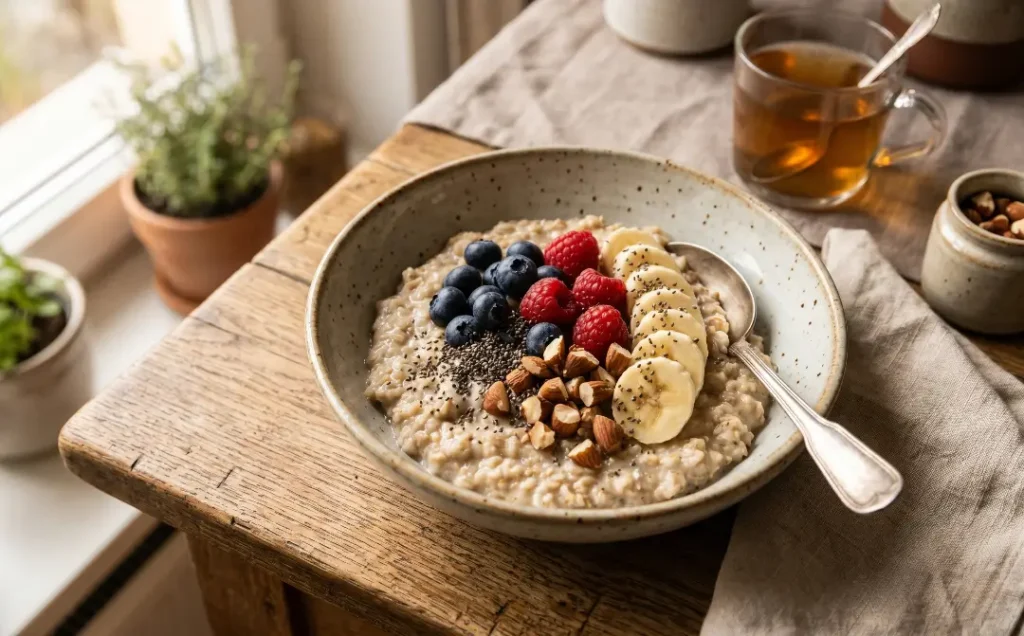
Oats are one of the most effective foods for controlling blood sugar. They are rich in beta glucan, a type of soluble fiber that slows digestion and improves glucose response.
When oats are consumed, the fiber forms a thick gel in the digestive tract. This slows down the release of glucose into the bloodstream. It also helps reduce cholesterol levels, making oats a heart friendly option.
Benefits
- Stabilizes blood sugar after meals
- Keeps you full for longer periods
- Supports heart health
- Improves gut bacteria
How to Include Oats
Start with a simple bowl of oatmeal. Add nuts, seeds, or fruits for extra fiber. Overnight oats are also a convenient option for busy mornings.
Pro Tip
Avoid flavored instant oats that contain added sugar. Choose plain rolled oats or steel cut oats for better results.
2. Lentils

Lentils are packed with fiber and plant based protein. This combination makes them highly effective for stabilizing glucose levels.
They have a low glycemic index, which means they do not cause rapid increases in blood sugar. Instead, they provide slow and steady energy.
Benefits
- Supports stable glucose levels
- Helps control appetite
- Improves digestion
- Provides essential nutrients like iron and folate
How to Include Lentils
Add lentils to soups, stews, or salads. They can also be used as a base for curries or mixed with vegetables for a filling meal.
Pro Tip
Soaking lentils before cooking can improve digestion and reduce cooking time.
3. Chia Seeds
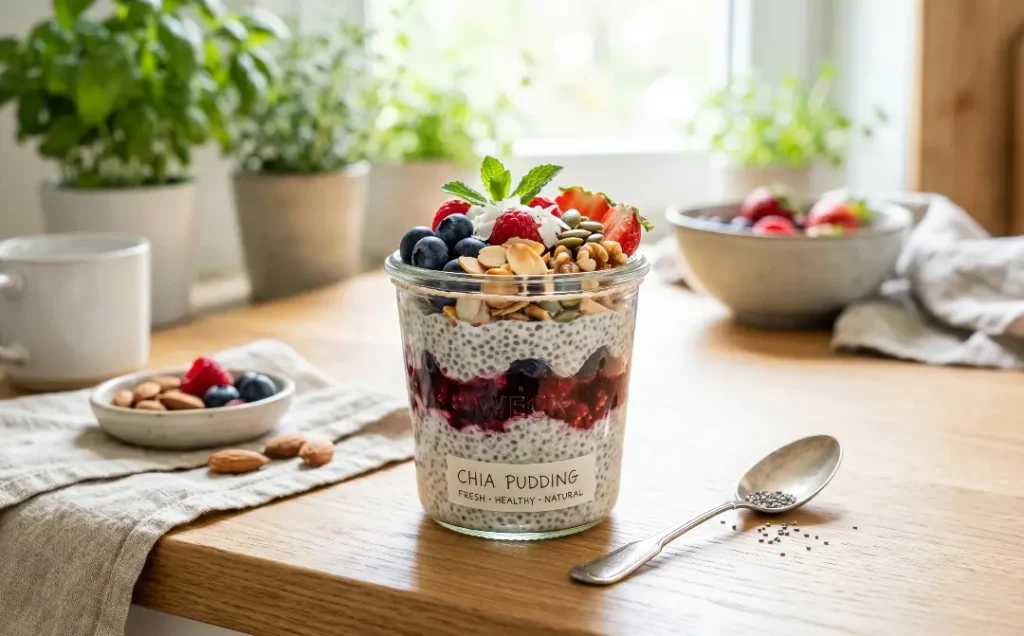
Chia seeds are small but extremely powerful. They absorb water and expand, forming a gel that slows digestion and glucose absorption.
They are also rich in omega three fatty acids and antioxidants.
Benefits
- Slows sugar absorption
- Keeps you hydrated
- Supports digestive health
- Promotes fullness
How to Include Chia Seeds
Mix them into smoothies, yogurt, or oatmeal. Chia pudding is a popular option that can be prepared in advance.
Pro Tip
Let chia seeds soak before eating. This improves texture and digestion.
4. Apples
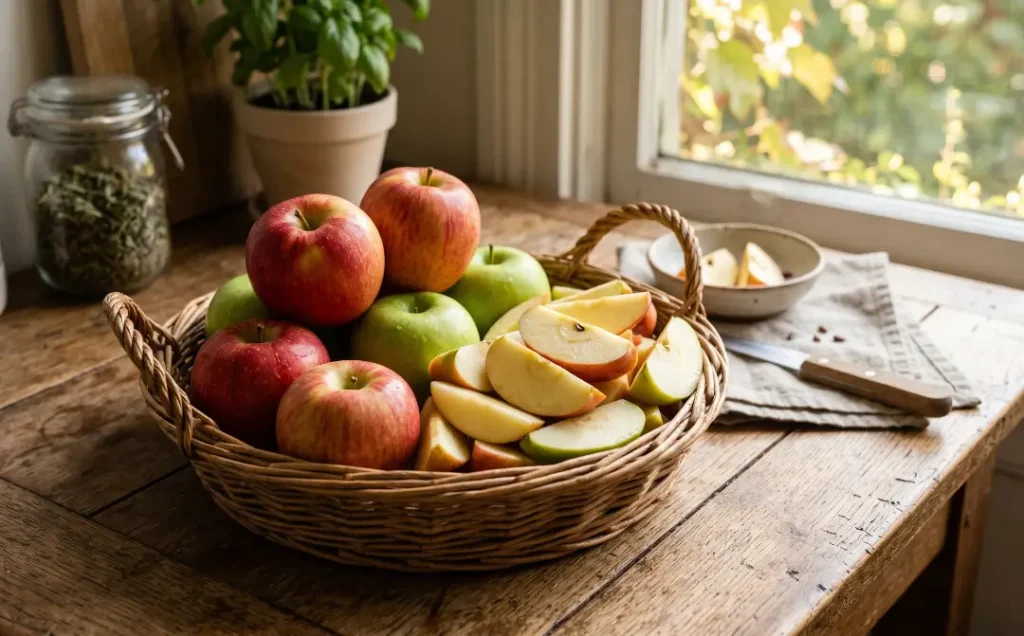
Apples are a convenient and effective way to increase fiber intake. They contain pectin, a soluble fiber that slows sugar absorption.
Eating apples regularly can help reduce blood sugar spikes after meals.
Benefits
- Supports glucose control
- Easy to carry and eat
- Improves gut health
- Provides vitamins and antioxidants
How to Include Apples
Eat them as a snack or add slices to salads and oatmeal.
Pro Tip
Always eat apples with the skin. Most of the fiber is found there.
5. Broccoli

Broccoli is a nutrient dense vegetable that contains fiber along with vitamins and antioxidants.
It helps slow digestion and supports stable blood sugar levels.
Benefits
- Low in calories and high in fiber
- Supports detox processes
- Improves digestion
- Provides essential nutrients
How to Include Broccoli
Steam, roast, or stir fry broccoli. It pairs well with lean proteins and whole grains.
Pro Tip
Avoid overcooking. Light cooking preserves nutrients and texture.
6. Quinoa

Quinoa is a whole grain that contains both fiber and protein. It is a good alternative to refined grains.
It provides slow releasing energy and helps maintain stable glucose levels.
Benefits
- Low glycemic impact
- High in protein
- Supports muscle health
- Keeps energy consistent
How to Include Quinoa
Use quinoa as a base for bowls or salads. It can replace rice in most meals.
Pro Tip
Rinse quinoa before cooking to remove its natural coating and improve taste.
7. Almonds
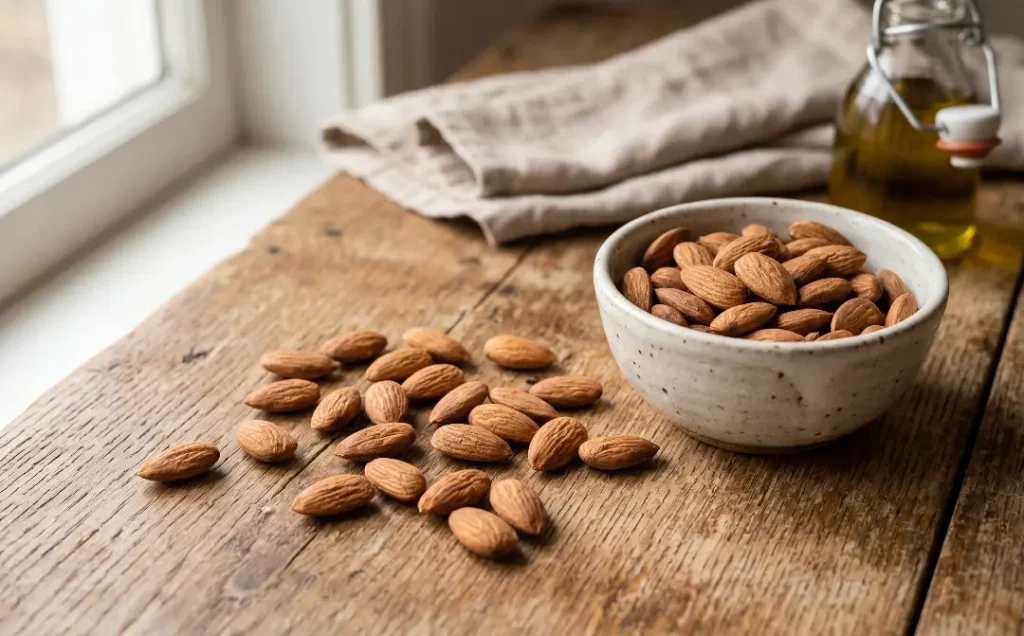
Almonds are rich in fiber, healthy fats, and protein. This combination helps slow glucose absorption.
They are also easy to carry and require no preparation.
Benefits
- Reduces blood sugar spikes
- Supports heart health
- Keeps you full
- Provides essential nutrients
How to Include Almonds
Eat a small handful as a snack or add them to meals.
Pro Tip
Stick to moderate portions. Almonds are healthy but calorie dense.
8. Sweet Potatoes

Sweet potatoes are rich in fiber and complex carbohydrates. They provide slow and steady energy.
Benefits
- Supports stable glucose levels
- Rich in vitamins
- Improves digestion
- Provides long lasting energy
How to Include Sweet Potatoes
Bake, roast, or mash them. Avoid deep frying.
Pro Tip
Pair with protein for better blood sugar control.
9. Black Beans
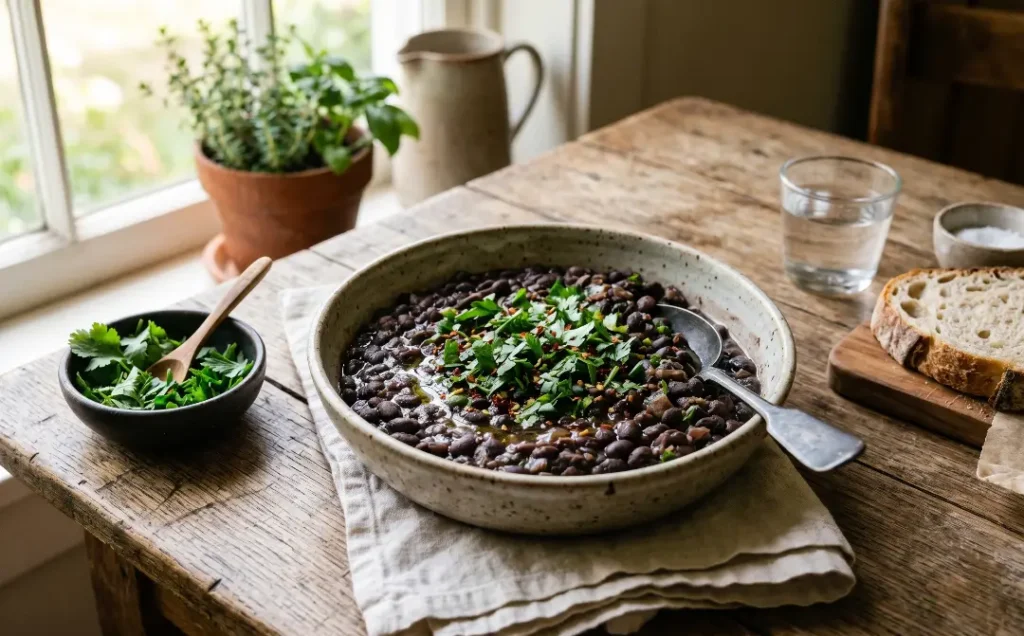
Black beans are high in fiber and protein. They are excellent for maintaining stable glucose levels.
Benefits
- Slows sugar absorption
- Supports digestion
- Keeps you full
- Provides plant based protein
How to Include Black Beans
Add them to salads, bowls, or wraps.
Pro Tip
Rinse canned beans to reduce sodium content.
10. Avocados
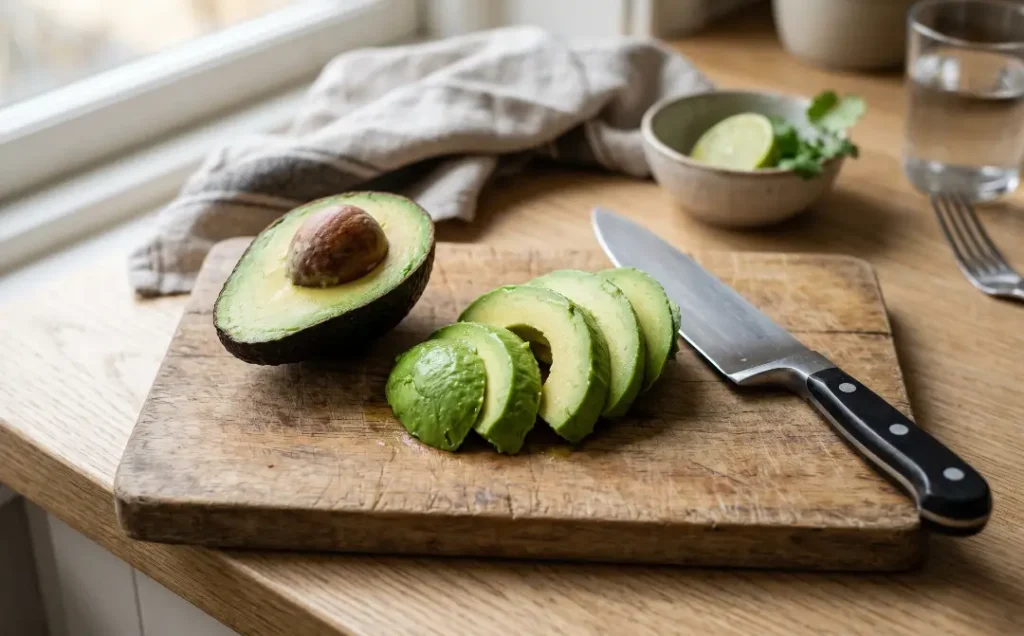
Avocados are unique because they contain fiber along with healthy fats.
This combination helps slow digestion and stabilize glucose.
Benefits
- Supports heart health
- Keeps you full longer
- Improves nutrient absorption
- Helps regulate blood sugar
How to Include Avocados
Add to toast, salads, or smoothies.
Pro Tip
Use ripe avocados for better taste and texture.
11. Flaxseeds
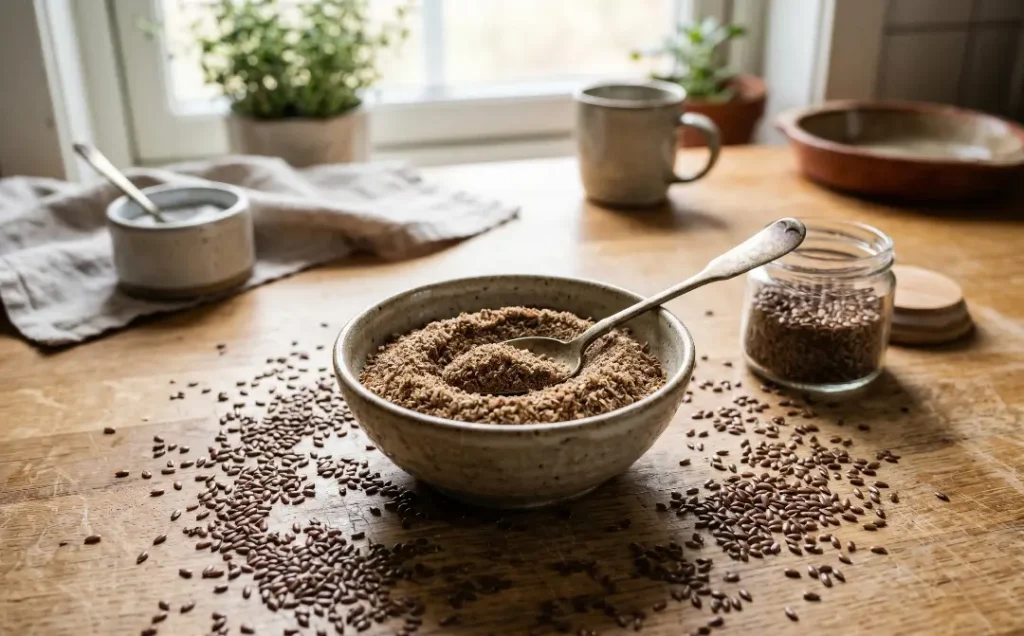
Flaxseeds are rich in fiber and omega three fatty acids.
They help slow digestion and support stable glucose levels.
Benefits
- Improves digestion
- Supports heart health
- Helps regulate blood sugar
- Provides essential nutrients
How to Include Flaxseeds
Add ground flaxseeds to smoothies, yogurt, or oatmeal.
Pro Tip
Use ground flaxseeds instead of whole for better absorption.
How to Build a Fiber Rich Daily Routine
Adding these foods into your daily routine does not require a complete diet change.
Start small. Add one high fiber food to each meal.
Breakfast ideas
Oats with chia seeds and fruit
Lunch ideas
Lentil salad with vegetables and avocado
Dinner ideas
Quinoa with broccoli and black beans
Consistency matters more than perfection.
Mistakes to Avoid
Many people increase fiber too quickly. This can lead to discomfort.
Avoid these mistakes:
- Increasing fiber suddenly
- Not drinking enough water
- Relying on processed foods
Take a gradual approach and stay hydrated.
Recommended Daily Fiber Intake
Most adults need:
- Around 25 grams for women
- Around 30 to 35 grams for men
These foods make it easier to reach these targets naturally.
Conclusion
11 High Fiber Foods That Stabilize Glucose offer a simple and effective way to improve daily health. Stable blood sugar leads to better energy, fewer cravings, and improved focus.
Small changes in diet can create lasting results. Adding fiber rich foods consistently helps the body function more efficiently. Over time, these habits support better health without the need for extreme measures.
Start with one or two foods from this list. Build gradually. Stay consistent. The results will follow naturally.