
12 Safe Sweeteners for Type 2 Diabetes: A Practical Guide for Smarter Sugar Choices
12 Safe Sweeteners for Type 2 Diabetes is a topic that matters more than ever as people look for healthier ways to manage sugar intake without giving up taste. Living with type 2 diabetes does not mean cutting out sweetness completely. It simply means choosing better options.
Many traditional sugars can spike blood glucose quickly. That is where safer alternatives come in. These sweeteners help you enjoy your food while keeping your blood sugar levels stable.
This guide breaks down 12 reliable sweeteners, how they work, and how to use them in daily life.
Why Choosing the Right Sweetener Matters
When you have type 2 diabetes, your body struggles to regulate blood sugar effectively. Regular sugar causes quick spikes, which can lead to long term complications.
Safe sweeteners offer key benefits:
- Lower or zero glycemic impact
- Reduced calorie intake
- Better blood sugar control
- Flexibility in diet planning
But not all sugar substitutes are equal. Some are better tolerated, while others may cause digestive issues or have aftertastes.
1. Stevia
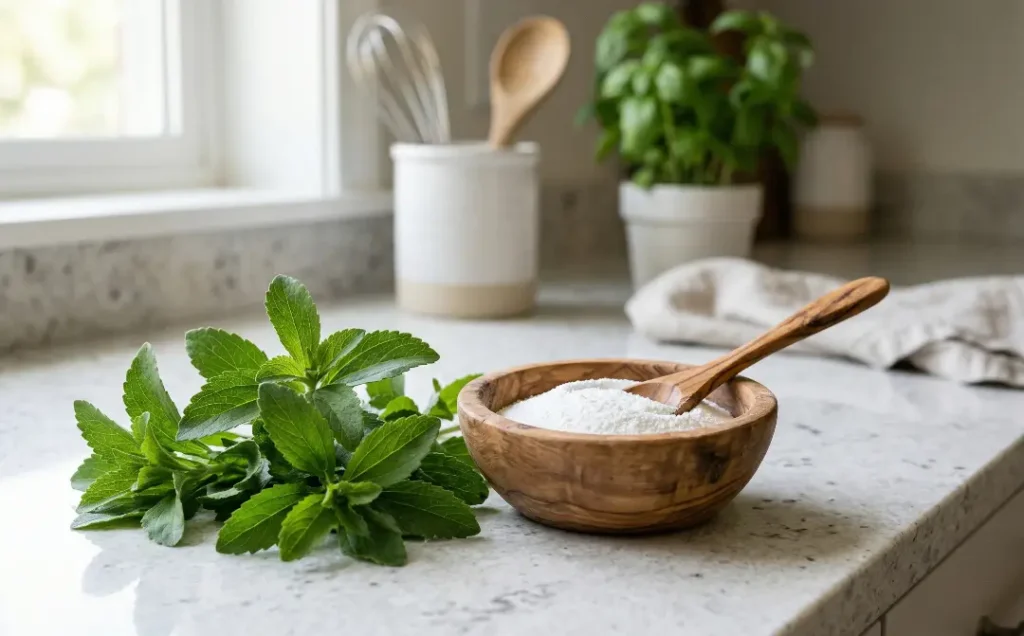
Stevia is a natural sweetener extracted from plant leaves. It contains zero calories and does not raise blood sugar levels.
Benefits
- No impact on glucose levels
- Very low calorie
- Highly concentrated
Best Uses
- Tea and coffee
- Smoothies
- Homemade desserts
Tip
Use small amounts since it is much sweeter than sugar.
2. Erythritol
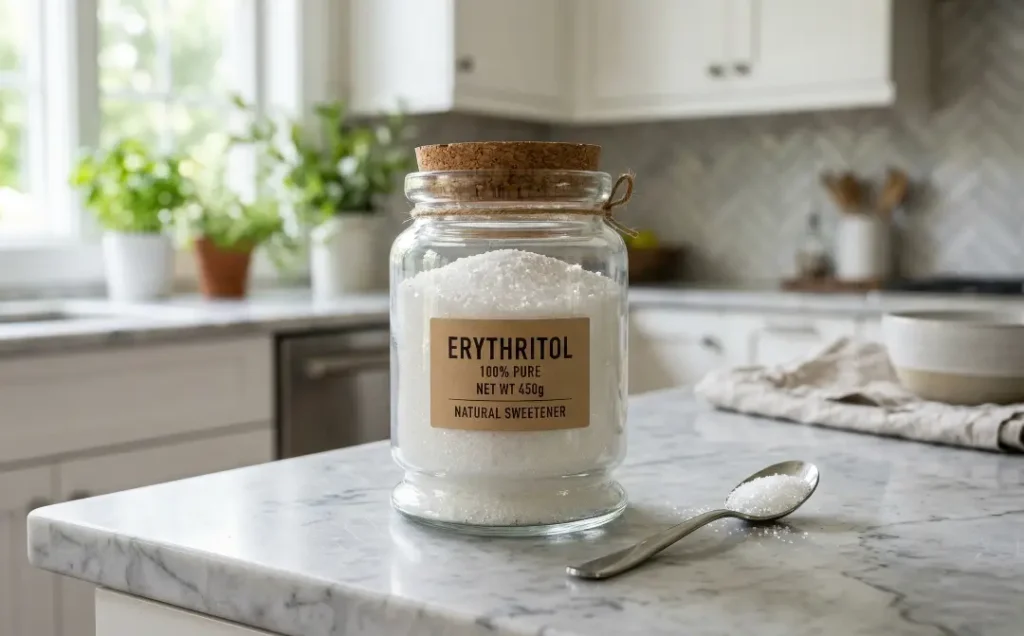
Erythritol is a sugar alcohol that provides sweetness without affecting blood sugar significantly.
Benefits
- Zero calories
- No blood sugar spike
- Tooth friendly
Best Uses
- Baking
- Low sugar desserts
- Beverages
Tip
It may cause a cooling sensation in the mouth, which some people like.
3. Monk Fruit Sweetener
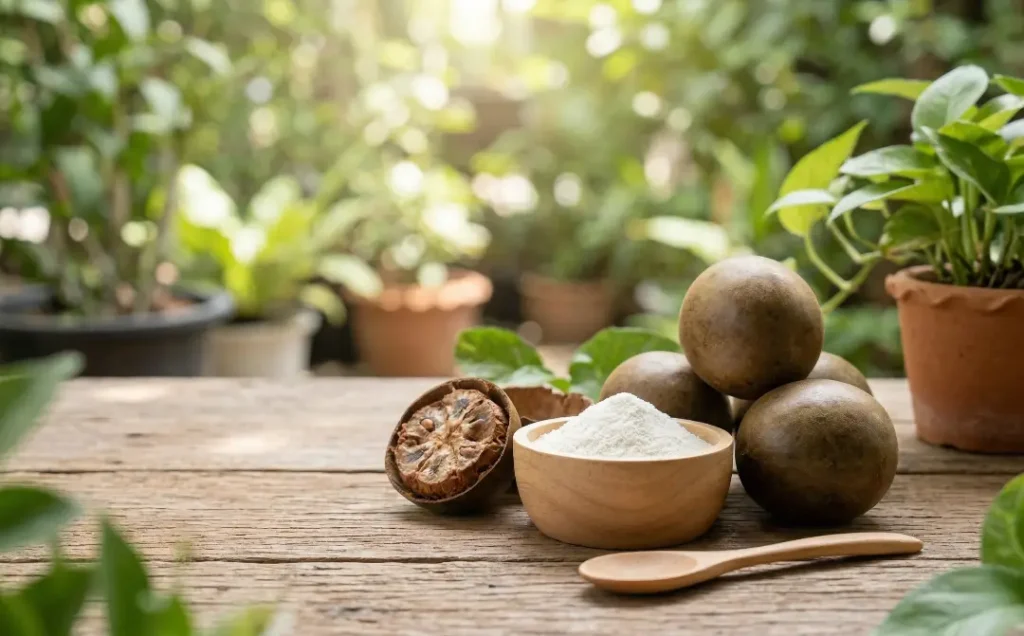
Monk fruit sweetener is derived from a small fruit and contains compounds that provide sweetness without glucose impact.
Benefits
- Zero calories
- Natural origin
- No glycemic effect
Best Uses
- Coffee and tea
- Sauces
- Desserts
Tip
Often blended with other sweeteners to improve texture.
4. Xylitol
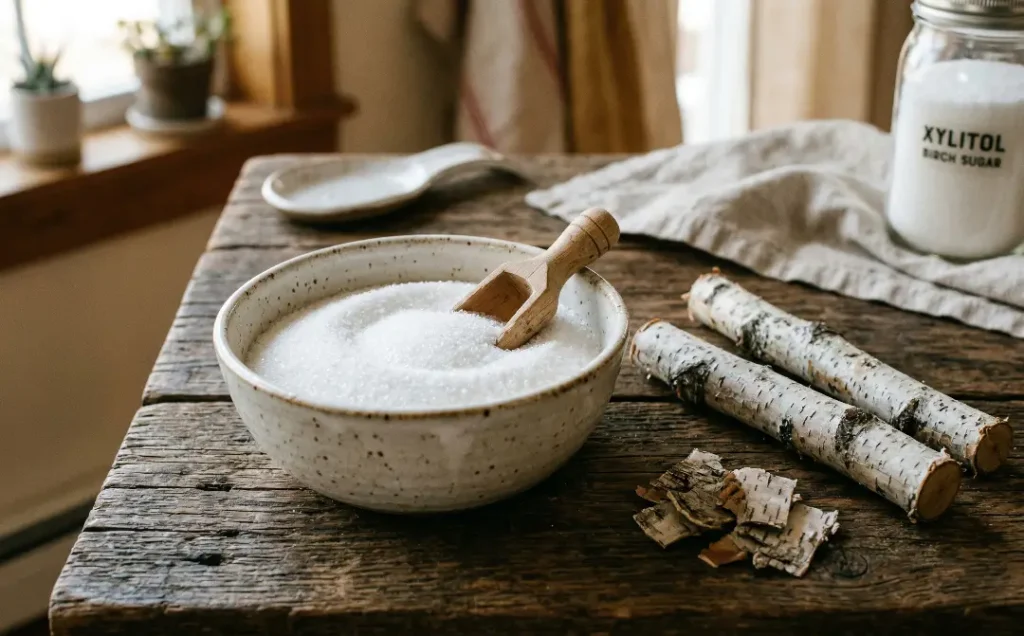
Xylitol is another sugar alcohol that has a low glycemic index.
Benefits
- Lower blood sugar impact
- Supports dental health
- Mild sweetness similar to sugar
Best Uses
- Baking
- Chewing gum
- Desserts
Tip
Avoid giving it to pets as it is toxic to them.
5. Allulose

Allulose is a rare sugar that behaves like sugar but does not significantly affect blood glucose.
Benefits
- Very low calorie
- Minimal glycemic impact
- Similar taste and texture to sugar
Best Uses
- Baking
- Syrups
- Ice cream
Tip
It browns like regular sugar, making it great for baking.
6. Sucralose

Sucralose is a widely used artificial sweetener that is many times sweeter than sugar.
Benefits
- No calories
- Stable under heat
- Easily available
Best Uses
- Hot drinks
- Cooking
- Processed foods
Tip
Use in moderation as some people prefer natural options.
7. Saccharin

Saccharin is one of the oldest artificial sweeteners and has zero calories.
Benefits
- No impact on blood sugar
- Very sweet
- Long shelf life
Best Uses
- Beverages
- Tabletop sweetener
Tip
It may have a slightly metallic aftertaste.
8. Aspartame

Aspartame is a low calorie sweetener commonly found in diet drinks.
Benefits
- Low calorie
- Much sweeter than sugar
- Widely used
Best Uses
- Cold drinks
- Yogurt
- Light desserts
Tip
Avoid using it in high heat cooking as it can lose sweetness.
9. Coconut Sugar
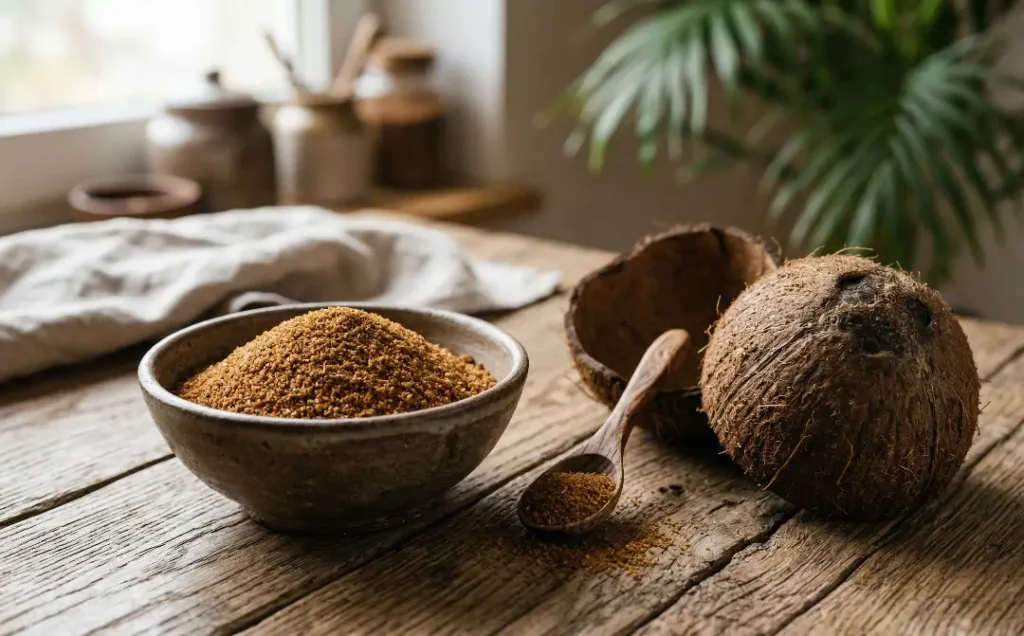
Coconut sugar is less processed than white sugar but should still be used carefully.
Benefits
- Slightly lower glycemic index than regular sugar
- Contains trace nutrients
Best Uses
- Baking
- Coffee
- Traditional recipes
Tip
Use in small amounts as it still affects blood sugar.
10. Date Sugar
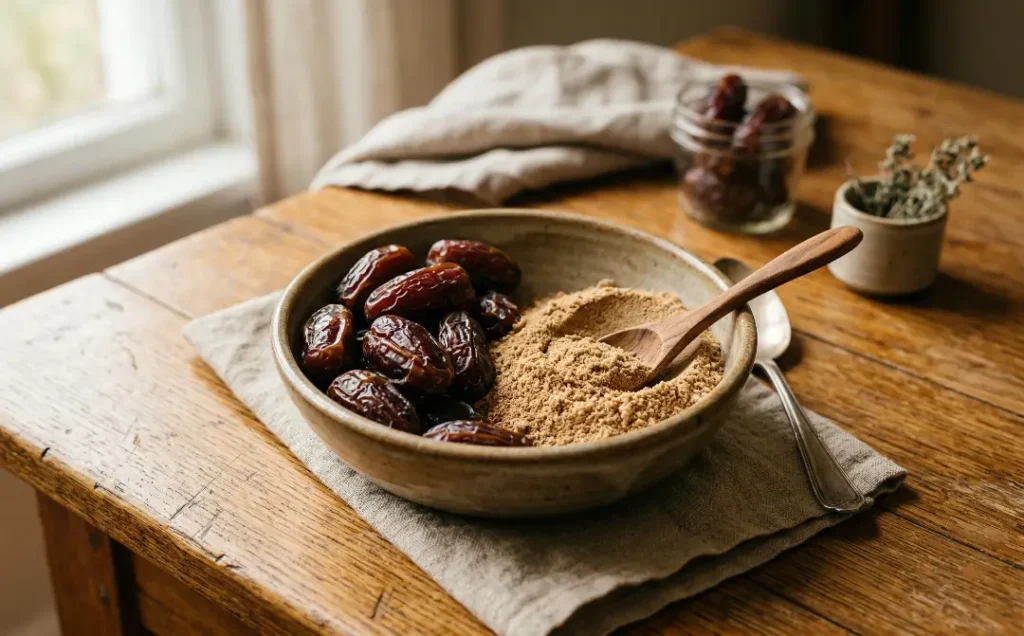
Date sugar is made from ground dried dates and retains some fiber.
Benefits
- Natural source
- Contains nutrients
- Less processed
Best Uses
- Baking
- Oatmeal
- Smoothies
Tip
It does not dissolve well in liquids.
11. Yacon Syrup
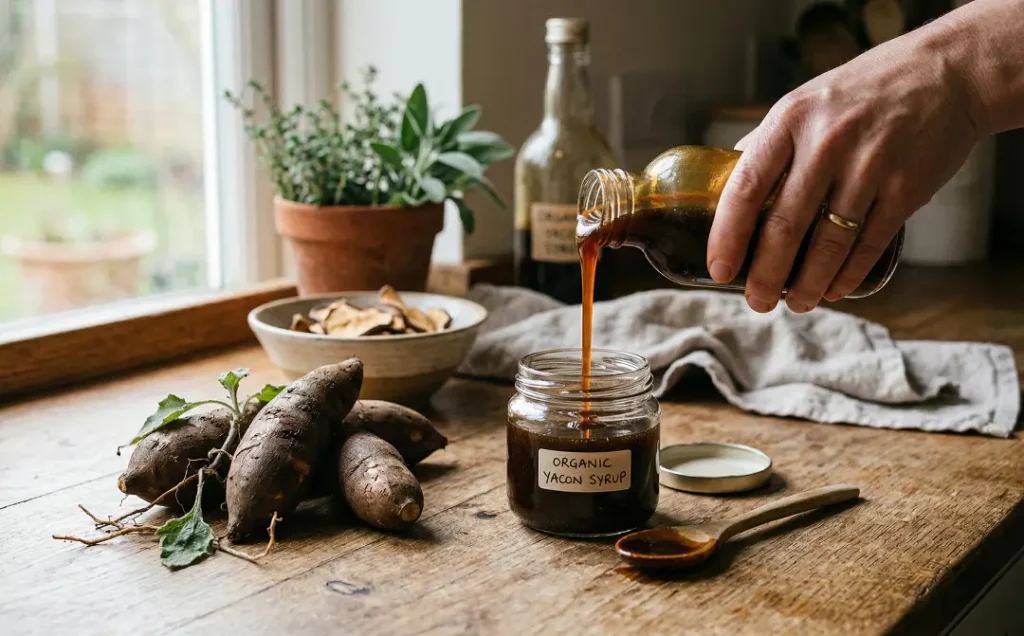
Yacon syrup comes from a root plant and contains prebiotic fibers.
Benefits
- Low glycemic impact
- Supports gut health
- Natural sweetness
Best Uses
- Drizzling over foods
- Yogurt
- Pancakes
Tip
Use sparingly to avoid digestive discomfort.
12. Agave Nectar
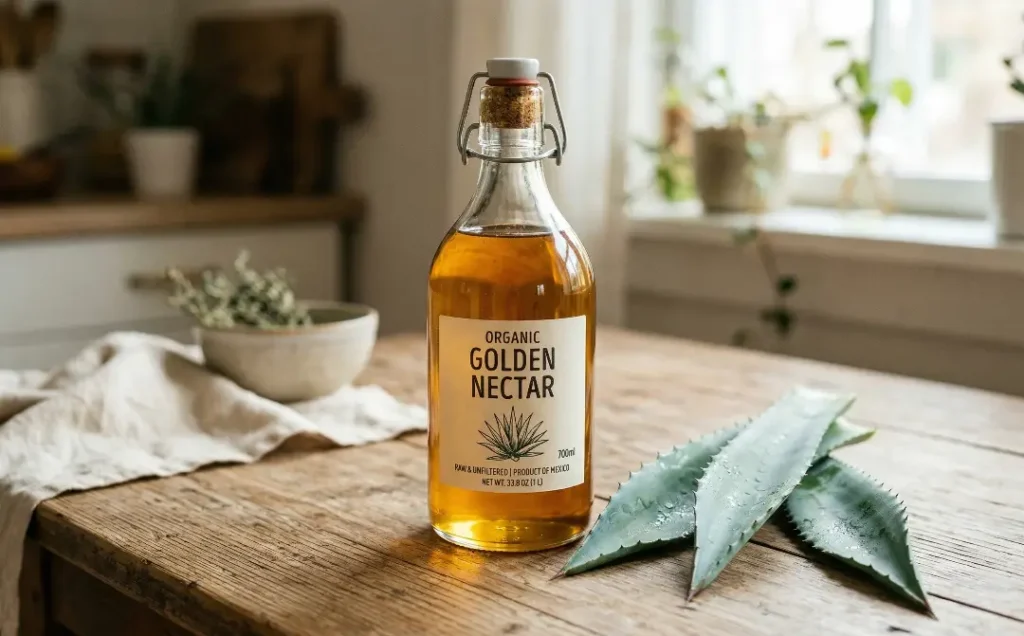
Agave nectar is sweeter than sugar and has a lower glycemic index.
Benefits
- Sweeter than sugar
- Lower immediate blood sugar spike
Best Uses
- Drinks
- Desserts
- Sauces
Tip
It is still high in fructose, so moderation is key.
How to Choose the Right Sweetener
Not every sweetener works for everyone. The right choice depends on your needs and lifestyle.
Consider These Factors
- Blood sugar response
- Taste preference
- Cooking or baking needs
- Digestive tolerance
Natural options like stevia and monk fruit are great for daily use. Sugar alcohols like erythritol work well in baking. Artificial sweeteners offer convenience but may not suit everyone.
Tips for Using Sweeteners Safely
Even safe sweeteners should be used wisely.
Smart Practices
- Start with small amounts
- Monitor your blood sugar response
- Avoid mixing too many sweeteners
- Focus on whole foods alongside sweet alternatives
Balance is the key. Sweeteners should support your diet, not replace healthy habits.
Common Mistakes to Avoid
Many people assume all sugar substitutes are completely harmless. That is not always true.
Watch Out For
- Overconsumption
- Ignoring ingredient labels
- Relying only on sweeteners instead of diet changes
A well rounded approach works best for long term health.
Final Thoughts
12 Safe Sweeteners for Type 2 Diabetes give you plenty of options to enjoy sweetness without risking your health. From natural choices like stevia and monk fruit to alternatives like erythritol and allulose, there is something for every preference.
The goal is simple. Keep your blood sugar stable while still enjoying your meals. Choose wisely, use in moderation, and stay consistent with your overall diet.
Small changes can make a big difference over time.