
6 Emergency Steps for Severe Hypoglycemia You Must Know to Save a Life
6 Emergency Steps for Severe Hypoglycemia can make the difference between a quick recovery and a life-threatening situation. When blood sugar drops dangerously low, the body and brain don’t get enough glucose to function properly. That’s when immediate action matters most.
Whether you’re caring for someone with diabetes or want to stay prepared, knowing exactly what to do step by step helps you stay calm and act fast.
This guide breaks everything down in a simple, practical way so you can respond with confidence.
What Is Severe Hypoglycemia?
Severe hypoglycemia happens when blood sugar levels fall below safe limits—typically under 54 mg/dL—and the person is unable to treat themselves.
Common Causes
- Too much insulin or diabetes medication
- Skipping meals
- Intense physical activity
- Alcohol consumption without food
Warning Signs
- Confusion or unusual behavior
- Slurred speech
- Seizures
- Loss of consciousness
At this stage, the person cannot safely eat or drink on their own. That’s why the 6 Emergency Steps for Severe Hypoglycemia are critical.
Step 1: Recognize the Emergency Quickly

The first step in the 6 Emergency Steps for Severe Hypoglycemia is identifying the situation without delay.
Severe hypoglycemia doesn’t always look the same. Sometimes it appears as confusion or irritability rather than obvious distress.
Key Signs to Watch
- Sudden confusion or inability to respond
- Shaking or sweating
- Aggressive or unusual behavior
- Fainting or unconsciousness
If the person cannot communicate clearly or follow instructions, treat it as a medical emergency immediately.
Step 2: Check Blood Sugar (If Possible)
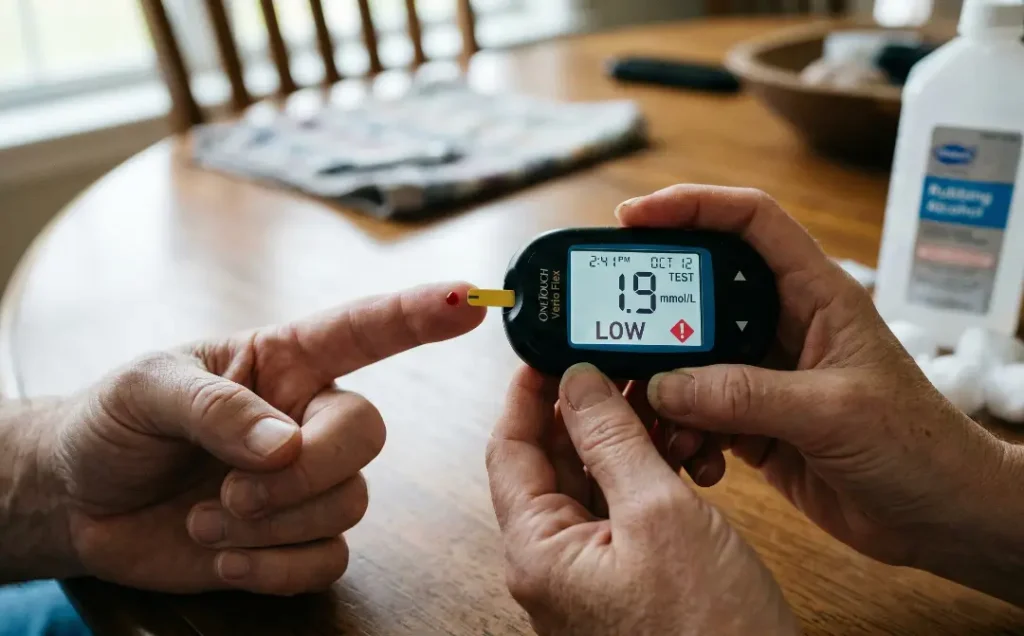
If a glucose meter is nearby, check the blood sugar level right away.
This step confirms what you’re dealing with, but don’t delay treatment if a device isn’t available.
Important Tip
If symptoms clearly indicate severe hypoglycemia, skip testing and move to treatment immediately. Time matters more than confirmation.
Step 3: Do NOT Give Food or Drink

This is one of the most misunderstood parts of the 6 Emergency Steps for Severe Hypoglycemia.
If the person is:
- Unconscious
- Having seizures
- Unable to swallow
Do not give food or liquids.
Why This Matters
Trying to force food or drink can cause choking or aspiration, which can be fatal.
Instead, move to the next step quickly.
Step 4: Administer Glucagon Immediately
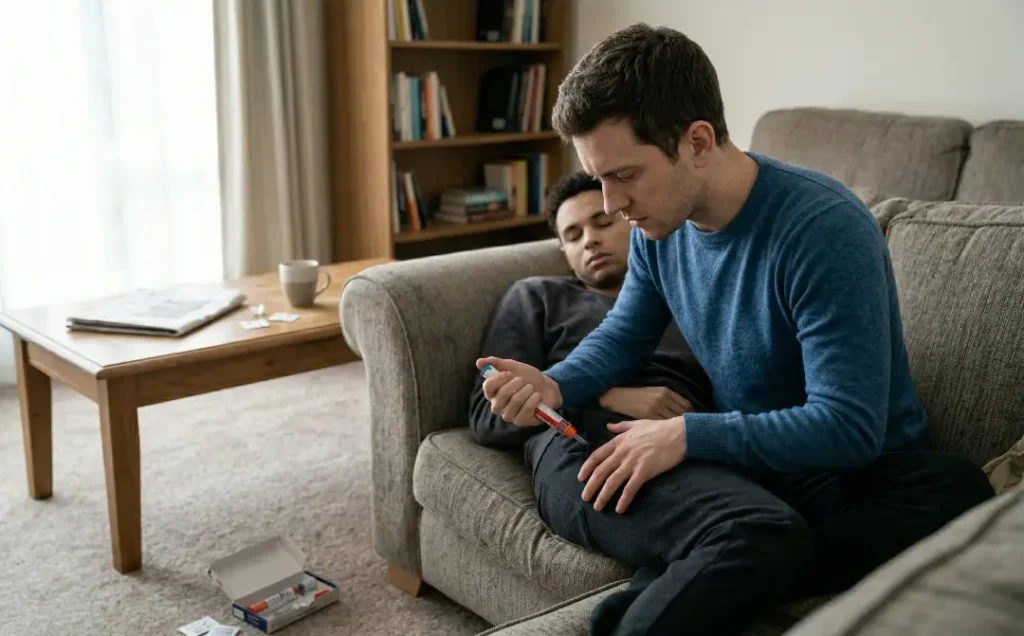
Glucagon is a hormone that raises blood sugar quickly. It’s the safest and most effective emergency treatment.
How to Use It
- Use a glucagon injection kit or nasal spray
- Follow the instructions on the package
- Inject into the arm, thigh, or buttock
Who Should Have It?
Anyone at risk of severe hypoglycemia should keep a glucagon kit nearby, and family members should know how to use it.
This step is often the turning point in the 6 Emergency Steps for Severe Hypoglycemia.
Step 5: Call Emergency Services
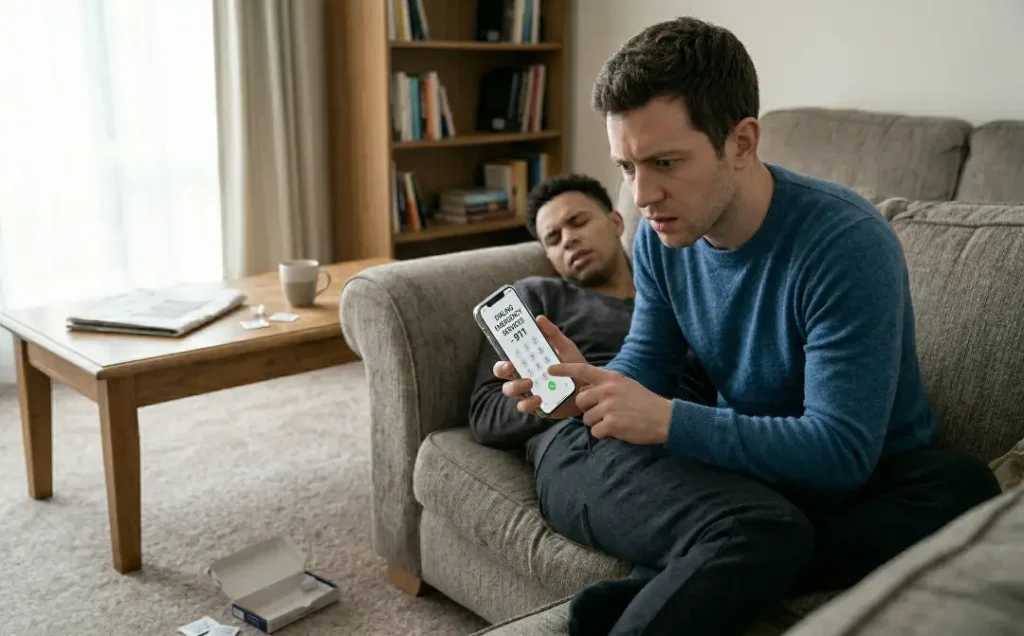
Even after giving glucagon, you should call emergency services right away.
Why You Should Call
- The person may not regain consciousness quickly
- Blood sugar could drop again
- Professional monitoring may be needed
What to Tell Them
- The person has severe hypoglycemia
- Whether glucagon has been given
- Current condition (conscious/unconscious)
Stay calm and follow the operator’s instructions.
Step 6: Place the Person in Recovery Position
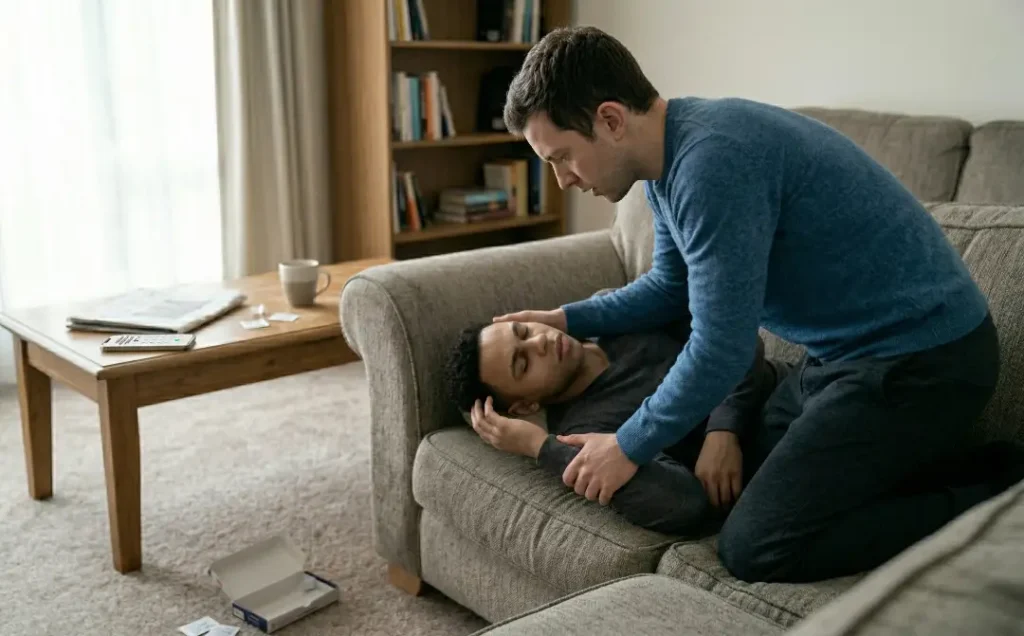
After administering glucagon and calling for help, position the person safely.
Recovery Position Steps
- Lay them on their side
- Tilt the head slightly back
- Keep airway clear
Why This Helps
It prevents choking if the person vomits—a common reaction after glucagon.
Stay with them until help arrives or they regain consciousness.
What to Do After They Wake Up
Once the person becomes alert again:
Give Fast-Acting Sugar
- Fruit juice
- Glucose tablets
- Regular soda
Follow with a Snack
- Sandwich
- Crackers with peanut butter
This helps stabilize blood sugar and prevent another drop.
Common Mistakes to Avoid
Even with the best intentions, mistakes can happen. Here’s what to avoid:
❌ Waiting too long to act
❌ Forcing food or drink
❌ Not calling emergency services
❌ Not having a glucagon kit available
Understanding these mistakes strengthens your ability to follow the 6 Emergency Steps for Severe Hypoglycemia correctly.
How to Stay Prepared
Preparation reduces panic and improves outcomes.
Keep These Essentials Ready
- Glucose meter
- Glucagon kit
- Emergency contact list
Educate Family and Friends
Make sure others know:
- Symptoms
- Emergency steps
- How to use glucagon
Wear Medical Identification
A bracelet or card can inform others in an emergency.
When to Seek Medical Advice
Even after recovery, medical evaluation is important if:
- Severe episodes happen frequently
- There’s loss of consciousness
- The cause is unclear
A healthcare provider can adjust medications or diet to prevent future episodes.
Final Thoughts
6 Emergency Steps for Severe Hypoglycemia are simple but powerful. In a crisis, clarity matters more than anything.
Let’s recap quickly:
- Recognize symptoms
- Check blood sugar (if possible)
- Avoid giving food or drink
- Administer glucagon
- Call emergency services
- Place in recovery position
Knowing these steps means you’re ready to act when it counts.
Because in emergencies, hesitation can cost time and time is everything.