
5 Dangerous Signs of Low Blood Sugar You Should Never Ignore
5 Dangerous Signs of Low Blood Sugar can show up suddenly and catch you off guard. Whether someone has diabetes or not, low blood sugar can affect anyone and may lead to serious health issues if ignored.
Low blood sugar, also called hypoglycemia, happens when glucose levels drop below normal. Glucose is the body’s main source of energy, especially for the brain. When levels fall too low, the body starts sending warning signals. The problem is, many people overlook these early signs or confuse them with stress, fatigue, or hunger.
This guide breaks down the 5 dangerous signs of low blood sugar, explains why they happen, and shows what actions to take right away. The goal is simple: help you recognize the signs early and stay safe.
What Is Low Blood Sugar
Low blood sugar occurs when glucose levels fall below 70 mg per deciliter. It is more common in people with diabetes, especially those taking insulin or certain medications. However, it can also happen due to skipping meals, intense physical activity, alcohol consumption, or certain medical conditions.
The brain depends heavily on glucose. When levels drop, it cannot function properly. That is why symptoms can range from mild discomfort to severe confusion or even loss of consciousness.
Why Recognizing Symptoms Matters
Ignoring the 5 dangerous signs of low blood sugar can lead to serious complications. In severe cases, it can cause seizures, unconsciousness, or even be life threatening.
Early recognition allows quick treatment. Something as simple as consuming sugar can reverse symptoms within minutes if caught early.
1. Sudden Shaking and Sweating
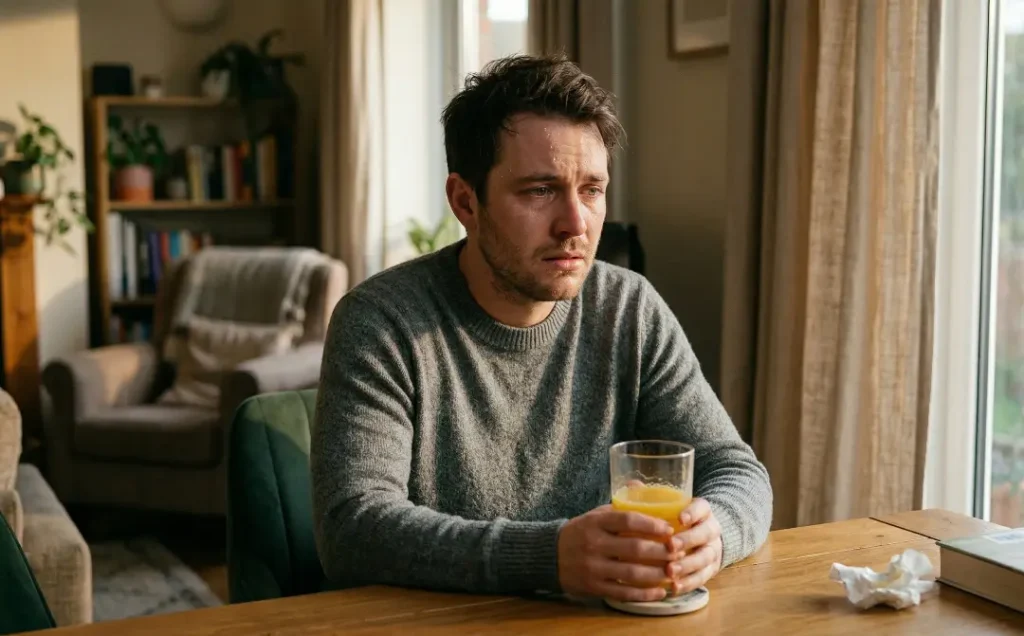
One of the earliest and most noticeable signs is sudden shaking combined with sweating. The body reacts quickly when blood sugar drops by releasing stress hormones like adrenaline.
What It Feels Like
- Trembling hands
- Cold or clammy skin
- Sudden sweating even in a cool environment
Why It Happens
The body is trying to raise blood sugar levels quickly. Adrenaline signals the liver to release stored glucose, but this also triggers physical symptoms.
What You Should Do
At this stage, acting quickly is easy and effective. Consume a fast acting carbohydrate such as fruit juice, glucose tablets, or a sugary snack.
2. Intense Hunger and Nausea
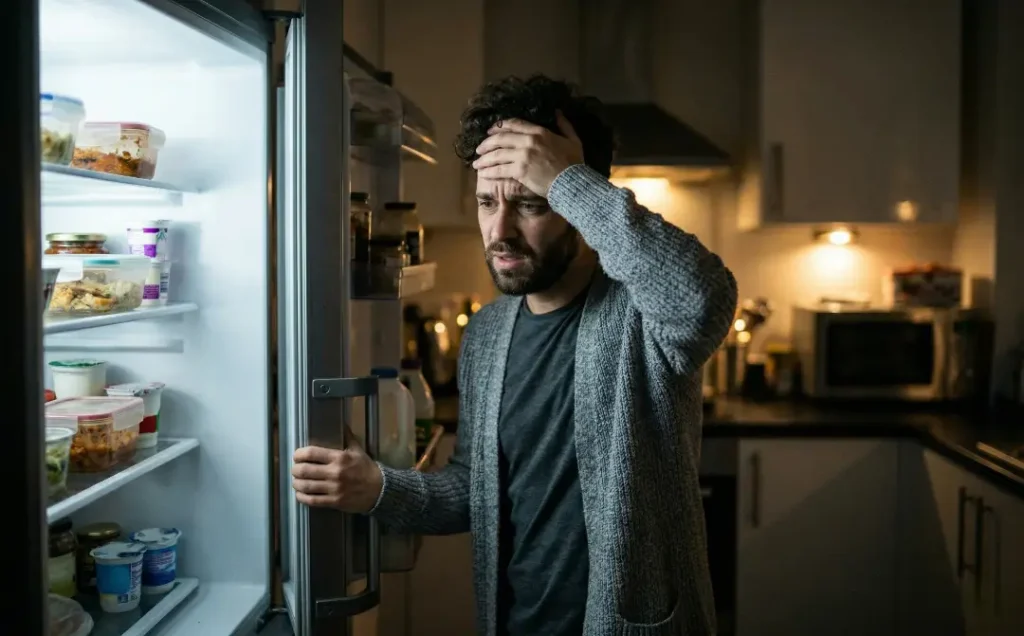
Another key warning among the 5 dangerous signs of low blood sugar is intense hunger, sometimes paired with nausea.
What It Feels Like
- Sudden strong urge to eat
- Stomach discomfort
- Feeling weak or empty
Why It Happens
When glucose levels drop, the body sends signals demanding fuel. Hunger is the body’s way of asking for immediate energy.
What You Should Do
Do not ignore this sign. Eat something balanced with carbohydrates and a bit of protein to stabilize blood sugar levels.
3. Dizziness and Confusion

This is where things become more serious. Dizziness and confusion indicate that the brain is not getting enough glucose.
What It Feels Like
- Lightheadedness
- Difficulty focusing
- Trouble making simple decisions
- Feeling mentally slow
Why It Happens
The brain relies almost entirely on glucose. When levels drop, brain function slows down, leading to confusion and poor coordination.
What You Should Do
Sit or lie down immediately to avoid falling. Consume a quick source of sugar. If symptoms worsen, seek help right away.
4. Rapid Heartbeat and Anxiety

Among the 5 dangerous signs of low blood sugar, a rapid heartbeat with anxiety can feel especially alarming.
What It Feels Like
- Heart pounding or racing
- Sudden anxiety or panic
- Feeling restless
Why It Happens
Again, adrenaline plays a major role. The body enters a stress response mode to counter low glucose levels.
What You Should Do
Try to stay calm and treat the low blood sugar immediately. Drink juice or eat a sugary snack. Avoid driving or performing risky tasks until you feel stable.
5. Blurred Vision or Loss of Consciousness

This is the most dangerous stage in the 5 dangerous signs of low blood sugar. Immediate action is critical.
What It Feels Like
- Blurry or double vision
- Extreme weakness
- Passing out or losing consciousness
Why It Happens
The brain is severely deprived of glucose. At this point, normal body functions begin to shut down.
What You Should Do
If someone reaches this stage, they need urgent help. If conscious, give fast acting sugar. If unconscious, do not give food or drink. Call emergency services immediately.
Common Causes of Low Blood Sugar
Understanding the triggers helps prevent these dangerous signs.
Skipping Meals
Long gaps without eating can cause glucose levels to drop.
Too Much Medication
Taking more insulin or diabetes medication than needed can lead to hypoglycemia.
Intense Exercise
Physical activity uses up glucose quickly, especially without proper nutrition.
Alcohol Consumption
Alcohol affects how the liver releases glucose, increasing the risk of low blood sugar.
How to Prevent Low Blood Sugar
Prevention is always better than dealing with symptoms later.
Eat Regular Meals
Keep a consistent eating schedule to maintain stable glucose levels.
Carry Quick Sugar Sources
Always have snacks like glucose tablets or juice nearby.
Monitor Blood Sugar
If you have diabetes, check your levels regularly.
Balance Diet
Include a mix of carbohydrates, protein, and healthy fats in meals.
Avoid Excess Alcohol
Drink responsibly and never on an empty stomach.
When to Seek Medical Help
While mild cases can be treated easily, some situations require professional care.
Seek help if:
- Symptoms do not improve after eating
- Episodes happen frequently
- There is loss of consciousness
- You are unsure about the cause
Final Thoughts
Recognizing the 5 dangerous signs of low blood sugar can make a huge difference. The body gives clear warnings before things get serious. The key is to listen and act quickly.
Shaking, hunger, confusion, rapid heartbeat, and vision problems are not random symptoms. They are signals that your body needs immediate attention.
Staying prepared, eating regularly, and knowing what to do can help you avoid complications and stay in control of your health.