
10 Gut Health Tips to Boost Your Digestion and Wellness
When it comes to overall well-being, we often overlook the importance of gut health. A balanced gut is crucial not only for digestion but also for immunity, mental health, and energy levels. By taking care of your gut, you can enhance your quality of life and feel more energetic. In this blog, we’ll provide 10 Gut Health Tips to improve your digestion, boost immunity, and promote overall wellness.
1. Eat More Fiber-Rich Foods for a Healthier Gut
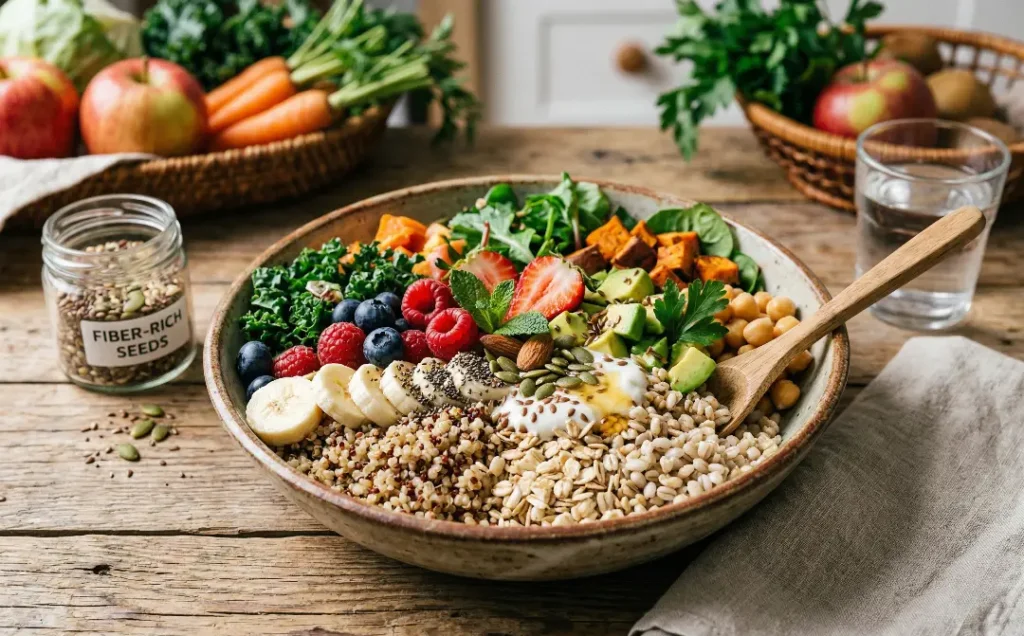
Gut Health Tip 1:
To improve gut health, it’s essential to eat foods rich in fiber. Fiber acts as food for the good bacteria in your digestive tract. It helps to regulate bowel movements, prevent constipation, and promote overall gut health. Foods like oats, whole grains, beans, legumes, and vegetables are excellent sources of fiber.
Including a variety of fiber-rich foods in your daily diet ensures a healthier gut microbiome, which is linked to improved digestion and immune function. Aim for at least 25-30 grams of fiber a day to maintain optimal gut health.
2. Stay Hydrated for Proper Digestion

Gut Health Tip 2:
Staying hydrated is key to maintaining proper digestion and a healthy gut. Drinking enough water helps your body break down food more efficiently, absorbs nutrients better, and prevents constipation. A well-hydrated body supports the mucosal lining of the intestines, which is crucial for digestion.
Drinking at least eight glasses of water a day can keep your digestive system running smoothly and help in the absorption of essential nutrients. If you struggle to drink enough water, try adding fruits like lemon, cucumber, or berries to your water for a refreshing twist.
3. Incorporate Probiotics Into Your Diet

Gut Health Tip 3:
Probiotics are beneficial bacteria that promote a healthy balance in your gut. These live microorganisms can be found in foods like yogurt, kefir, sauerkraut, kimchi, and miso. They help in digestion and can even reduce symptoms of digestive disorders like irritable bowel syndrome (IBS).
Adding probiotic-rich foods to your diet can boost the number of good bacteria in your gut, improving digestion, reducing inflammation, and supporting your immune system. If you find it challenging to get enough probiotics through food, consider taking a high-quality probiotic supplement.
4. Prebiotics Are Just as Important as Probiotics

Gut Health Tip 4:
While probiotics are essential for gut health, prebiotics are just as important. Prebiotics are fibers that feed the beneficial bacteria in your gut, helping them grow and thrive. Foods like garlic, onions, bananas, leeks, and asparagus are rich in prebiotics.
Consuming prebiotics along with probiotics creates a powerful combination for digestive health. By incorporating both into your diet, you support a balanced and thriving gut microbiome, which can lead to better digestion and enhanced immune function.
5. Limit Processed Foods for Better Gut Health

Gut Health Tip 5:
Processed foods, especially those high in sugar, unhealthy fats, and artificial additives, can disrupt your gut health. These foods can increase inflammation and imbalance the gut bacteria, leading to digestive issues, bloating, and a weakened immune system.
To promote a healthier gut, reduce your intake of processed foods and focus on whole, natural foods like fruits, vegetables, lean proteins, and healthy fats. By choosing wholesome foods, you support the growth of beneficial bacteria in your gut and reduce the risk of digestive problems.
6. Manage Stress to Keep Your Gut in Balance

Gut Health Tip 6:
Chronic stress can wreak havoc on your gut health, leading to digestive issues such as bloating, diarrhea, or constipation. Stress activates the fight-or-flight response, which can alter the functioning of your digestive system and disrupt the balance of gut bacteria.
To maintain a healthy gut, practice stress-reducing activities like meditation, yoga, deep breathing exercises, or even taking a walk in nature. By managing stress, you’ll improve your digestion and promote a more balanced gut microbiome.
7. Get Enough Sleep for Optimal Digestion

Gut Health Tip 7:
Sleep is crucial for overall health, and that includes your gut. Poor sleep can negatively affect your digestive system and increase the risk of gut-related issues such as bloating, indigestion, and gut inflammation. Aim for 7-9 hours of sleep each night to allow your body to rest and restore.
During sleep, your body repairs and regenerates, including your digestive system. A good night’s sleep supports a balanced gut microbiome, improves digestion, and helps you feel more energized during the day.
8. Eat Smaller, More Frequent Meals

Gut Health Tip 8:
Eating large, heavy meals can strain your digestive system, leading to discomfort and bloating. Instead, focus on eating smaller, more frequent meals throughout the day. This allows your digestive system to work efficiently and ensures that nutrients are absorbed properly.
By eating smaller portions, you reduce the burden on your digestive system and give your body time to process food effectively. It can also help prevent overeating, which can lead to indigestion and discomfort.
9. Exercise Regularly for Digestive Health

Gut Health Tip 9:
Exercise is not only great for your body but also for your digestive system. Regular physical activity stimulates the muscles in your intestines, promoting better digestion and reducing constipation. Exercise also improves blood flow to the digestive organs, supporting their function.
Aim for at least 30 minutes of moderate exercise most days of the week. Activities like walking, jogging, cycling, or yoga can support a healthy gut and help reduce symptoms of digestive disorders.
10. Avoid Overuse of Antibiotics

Gut Health Tip 10:
Antibiotics can be life-saving, but their overuse or misuse can harm your gut health. Antibiotics kill both harmful and beneficial bacteria in the gut, disrupting the balance of the microbiome. This can lead to digestive issues, yeast infections, and even antibiotic resistance.
To protect your gut, use antibiotics only when necessary and prescribed by your healthcare provider. If you must take antibiotics, consider taking a probiotic supplement afterward to restore the balance of good bacteria in your gut.
Conclusion:
Taking care of your gut health is essential for overall well-being. By following these 10 Gut Health Tips, you can improve your digestion, boost your immune system, and feel more energized. From eating fiber-rich foods and incorporating probiotics to managing stress and getting enough sleep, each step plays a vital role in promoting a healthy gut. By making these simple changes to your daily routine, you can take control of your gut health and enjoy better digestion and overall wellness.